Most calls we get about an existing patio or deck start the same way: something has moved, cracked, or gone soft, and the homeowner has no idea whether it is a small fix or the start of a large bill. The honest answer is that it depends entirely on what is underneath, and that the symptom you can see rarely tells you which it is on its own.
This guide covers how our family owned team assesses a failing surface after more than 20 years of hardscaping and outdoor living work across Georgia and Gwinnett County, so you can arrive at a conversation with a builder knowing roughly what you are looking at. If you are choosing a surface for a new build rather than fixing an old one, comparing surfaces before you choose is the guide you want instead.
What the Symptom Usually Means
| What you are seeing | Usual cause | What it usually needs |
|---|---|---|
| Pavers sinking in one area, rest of patio sound | Localized base failure or a drainage path running under the surface | Repair: lift, correct the base, relay. Fix the water source first or it returns |
| Pavers settling across the whole patio | Base was never compacted properly, or built on unstable subgrade | Replace: relaying over a bad base buys a season or two at most |
| Hairline cracks in concrete, no level change | Normal shrinkage cracking | Resurface: an overlay covers it and buys years |
| Concrete cracked with one side sitting higher | Ground movement below, often expansive clay or a drainage issue | Investigate before spending. Resurfacing over active movement fails quickly |
| Surface worn, stained, or dated, structure sound | Age and exposure only | Resurface: the cheapest meaningful improvement available |
| Deck boards soft or spongy underfoot | Moisture in the boards, framing may also be affected | Assess framing before deciding. Boards alone is a repair; soft framing is a replacement |
| Deck feels bouncy or sways slightly | Structural: joist spacing, span, or ledger connection | Stop using it and have it assessed. This is a safety matter, not a cosmetic one |
| Water standing on the patio after rain | Insufficient fall, or drainage discharging in the wrong place | Regrade or add drainage. Standing water shortens the life of every surface |
This is a guide rather than a diagnosis. The same crack can mean two different things depending on what is below it, which is why we look at drainage and grade before quoting anything.
Water Is Almost Always the Real Story
When we are called to a failing patio, the surface is usually the symptom and water is the cause. Georgia red clay is expansive: it swells when saturated and shrinks as it dries, and anything sitting on it moves with it. Add a downspout discharging beside the patio, a grade that falls toward the house instead of away, or a base that was never compacted, and the surface above has no chance.
That is why we start with where water goes. Standing water after rain, a persistent damp patch, moss on one section, or settlement always in the same corner are all drainage signatures. Fixing the surface without fixing the water produces a patio that looks excellent for two seasons and then repeats the failure, which is the single most common way homeowners waste money on this work. Correcting grade, adding drainage, and sometimes building retaining walls to manage a slope is less visible than new paving and matters considerably more.
|
Resurfacing: When the Cheap Option Is the Right One
If the structure below is sound and the problem is appearance, resurfacing is the best value available in this trade. An overlay on concrete, or lifting and relaying pavers on a corrected base, transforms a tired space for a fraction of replacement cost.
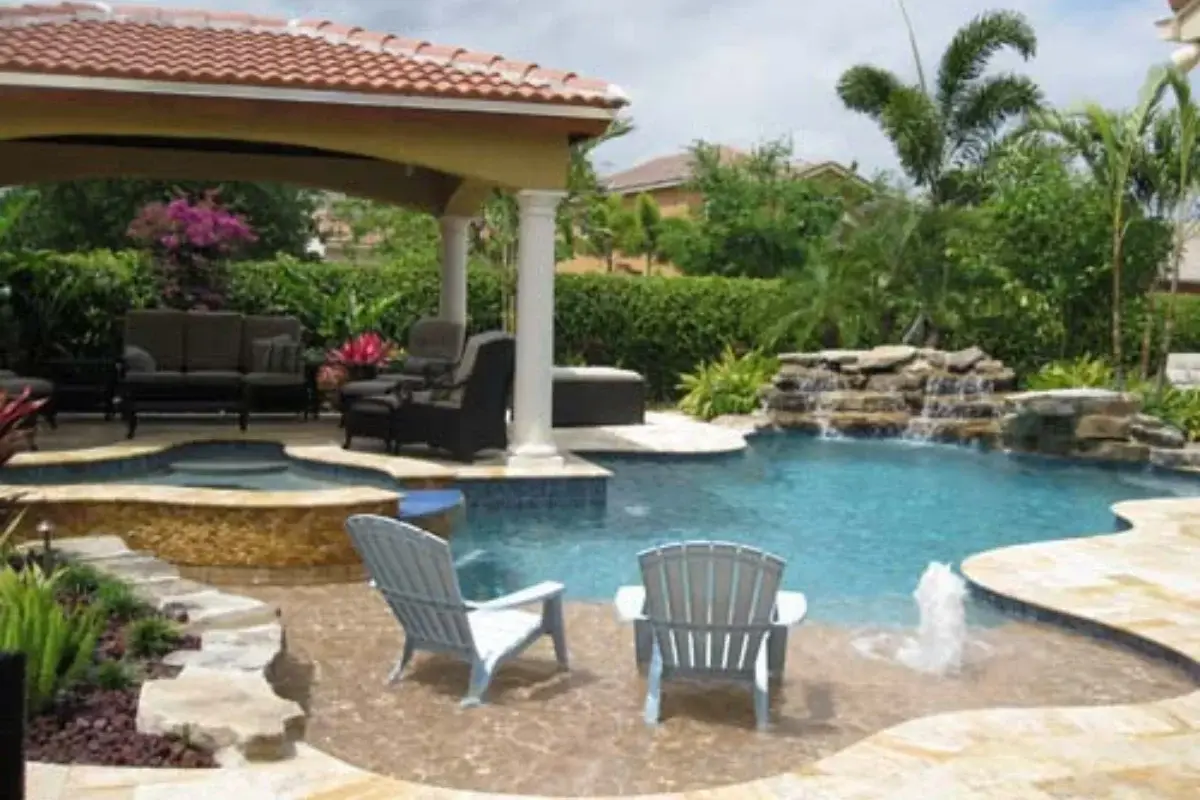
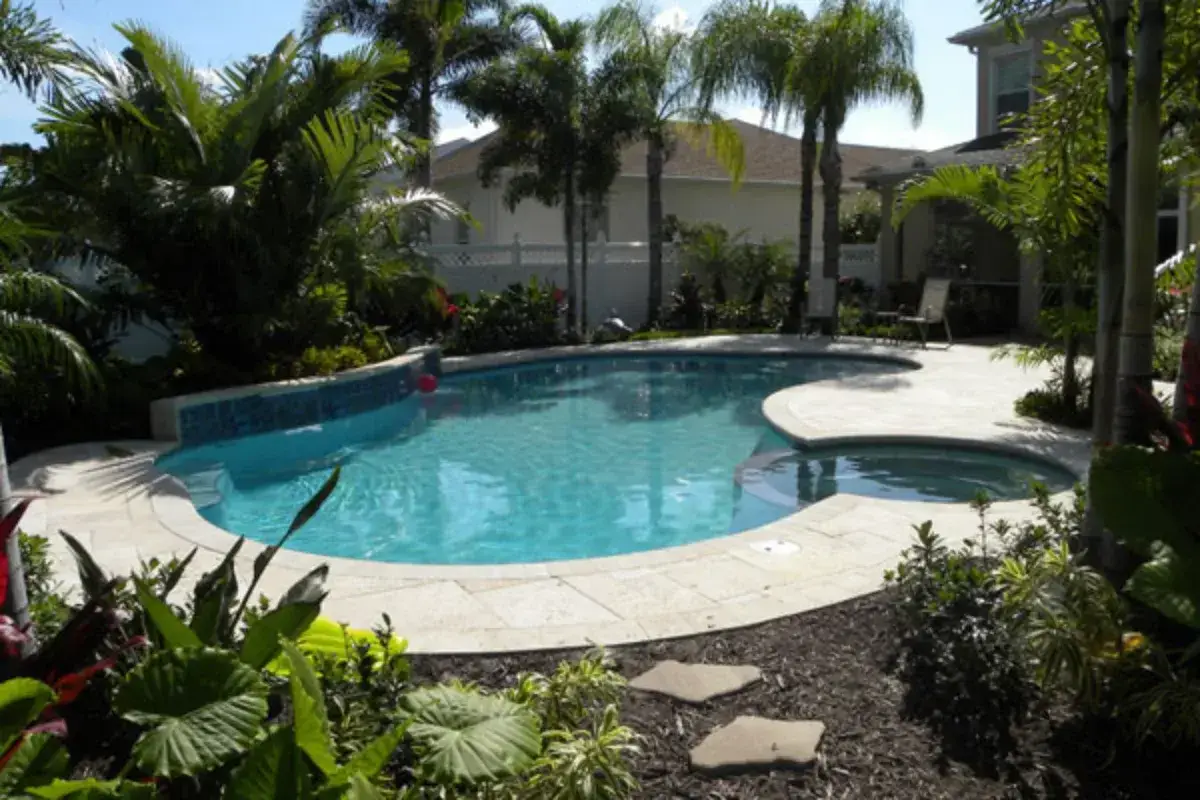
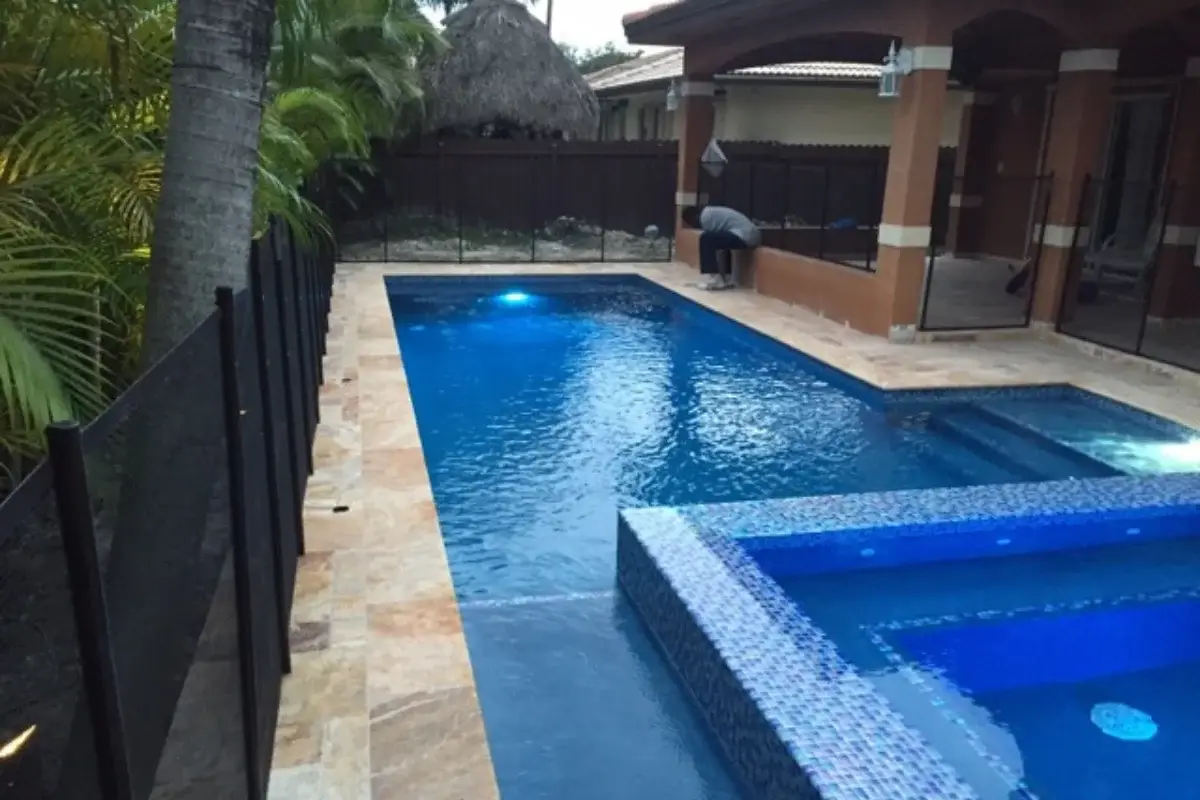
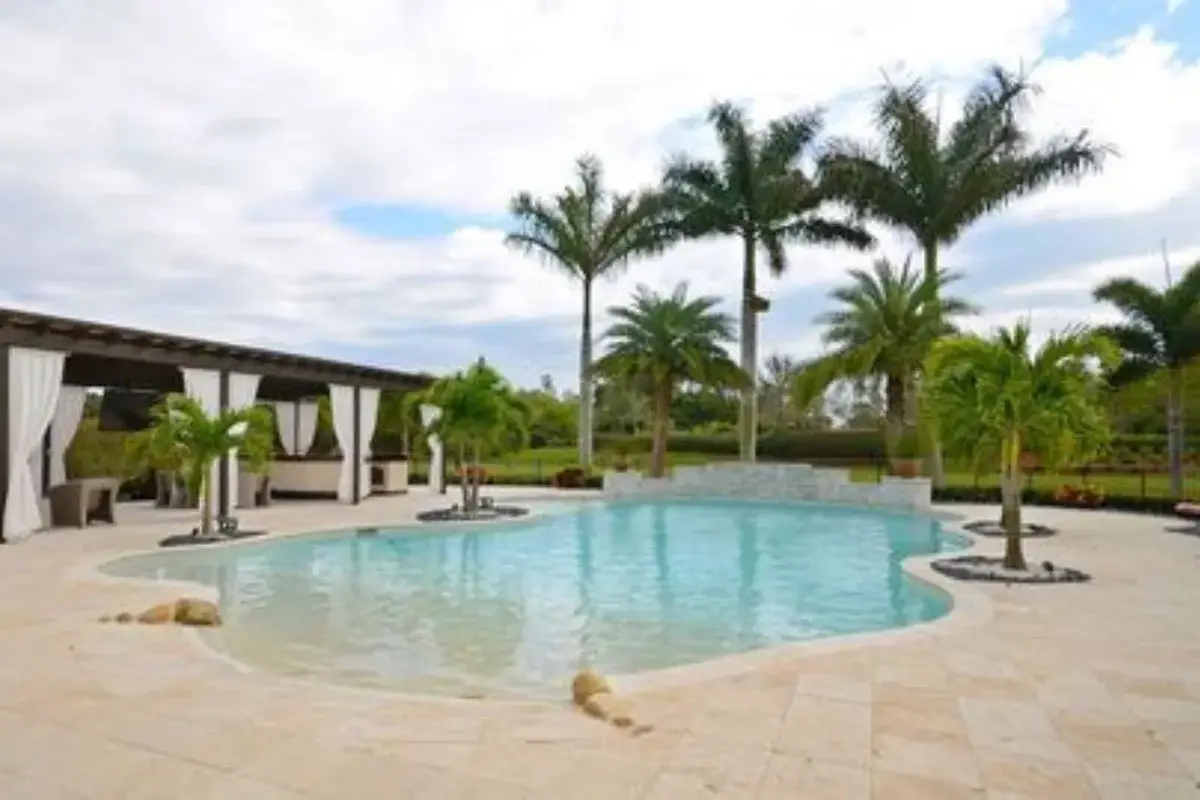
Around water this is particularly worth checking before budgeting for a tear-out. pool deck resurfacing regularly returns more per dollar than almost anything else we do, and it pairs naturally with pool resurfacing if the pool interior is dated too. Where a whole backyard is tired at once, folding the work into a single pool remodeling project usually costs less than three separate visits.
The one caution: resurfacing over active movement does not work. If a slab is cracked with a level difference across the crack, something below is still moving, and an overlay will crack in the same place within a year or two. We will tell you when that is the case rather than take the easier job.
When Replacement Is Genuinely the Better Money
Replacement is the right answer when the base or the structure has failed rather than the finish.
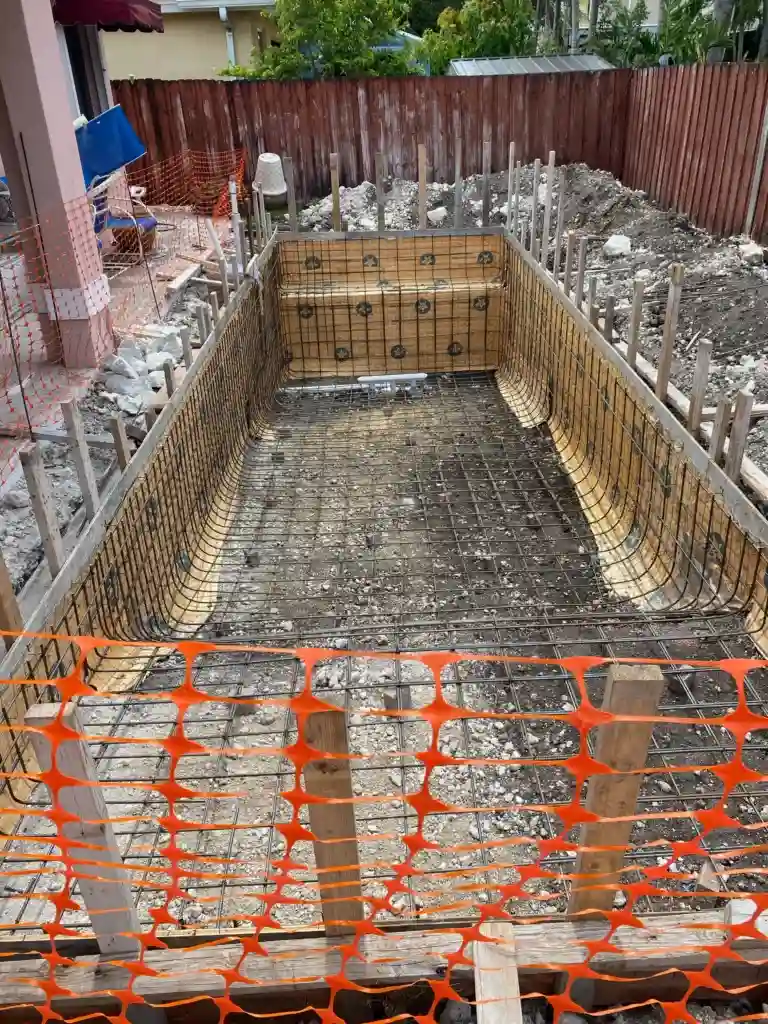
- Paving that has settled across the whole area. This means the base was never right. Relaying on the same base repeats the problem, so a proper rebuild of paver patios with excavation, compacted aggregate, and drainage is the only durable fix.
- Deck framing that is soft, or a deck that moves underfoot. Board replacement over compromised framing is a cosmetic answer to a structural problem. Movement or bounce in a raised deck is a safety issue and should be assessed before the deck is used again, not at the end of the season.
- Surfaces built without drainage on a slope. Sometimes the original installation was wrong in ways that cannot be corrected in place, and rebuilding custom decks or regrading and rebuilding the patio costs less over ten years than repeated repairs.
The reason substructure decides all of this is covered in more detail in why substructure decides lifespan, which applies to patios and decks as much as to kitchens.
The Hardscape Around Garden Areas
Renovating a backyard usually means the planted areas and the built areas meet somewhere, and the built side is where we work. Defined walkways and pathways turn a worn desire line across the lawn into a finished route. Terracing a slope with retaining walls creates usable level ground and planting beds at the same time, and it is often the highest-impact change available on a sloped lot. A resurfaced driveways installation and tidy front-of-house paving change the first impression of a property more than anything in the back garden does.
Planting itself is a different trade, and we would rather say so than pretend otherwise. We build the hardscape the planting sits within, and we are happy to coordinate with your landscaper on levels, bed edges, and drainage so the two halves of the project fit together.
Sequencing a Renovation Sensibly
If several things need attention, the order matters. Drainage and grade come first, because every surface laid before that work is at risk. Structural repairs come next. Then surfaces, then pool decks and pool decking finishes, then lighting and features. Doing it in that order costs less than doing it in the order the problems became annoying.
For the full picture of how a project actually runs, including permits and timelines, that guide covers the process end to end. If resale is part of your thinking, which upgrades hold their value at resale sets out the published data. You can see before and after projects, read from clients we have done this for, check areas we serve, and review financing a full replacement where a rebuild is the right answer.
Frequently Asked Questions
Should I repair or replace my patio?
Repair if the base is sound and the problem is localized or cosmetic. Replace if paving has settled across the whole area, which means the base was never compacted properly, since relaying on a bad base repeats the failure. Check drainage either way, because water is the usual cause and a new surface over an unresolved water problem will fail the same way.
Can a cracked concrete patio be resurfaced?
Yes, if the cracks are shrinkage cracks with no level difference across them. An overlay covers those and lasts. If one side of a crack sits higher than the other, the ground below is still moving and an overlay will crack again within a year or two, so the movement needs addressing first.
How do I know if my deck needs replacing?
Soft or spongy boards may only be a board replacement, but bounce, sway, or any movement in the structure points to framing, span, or the ledger connection where the deck meets the house. That is a safety matter rather than a cosmetic one, and it should be assessed before the deck is used again.
Why does water sit on my patio after it rains?
Either the surface has insufficient fall, or it has settled into a low spot, or drainage nearby is discharging in the wrong place. Standing water shortens the life of every surface material and, in freeze conditions, accelerates spalling. It is worth correcting rather than living with, and it is usually cheaper than the damage it causes.
Find Out What You Are Actually Dealing With
You dream it, we build it. Aqualis Pools is a family owned, licensed and insured builder with more than 20 years of experience and a 15 year structural warranty, serving Georgia and the surrounding Georgia communities. If something in your backyard has cracked, sunk, or gone soft, we will tell you plainly whether it needs repairing, resurfacing, or replacing, including when the honest answer is that it can wait. Call +1 (770) 373-8405 or send us photos of the problem to start.