
Still a chlorine pool. Just a different way of making it.
Saltwater Pool Conversion in Georgia
A saltwater system makes chlorine on site from dissolved salt, continuously, instead of you adding it by hand. The water feels different, the routine changes, and the trade-offs are worth understanding before you commit. Aqualis Pools also takes on projects across Florida, Georgia, and South Carolina.
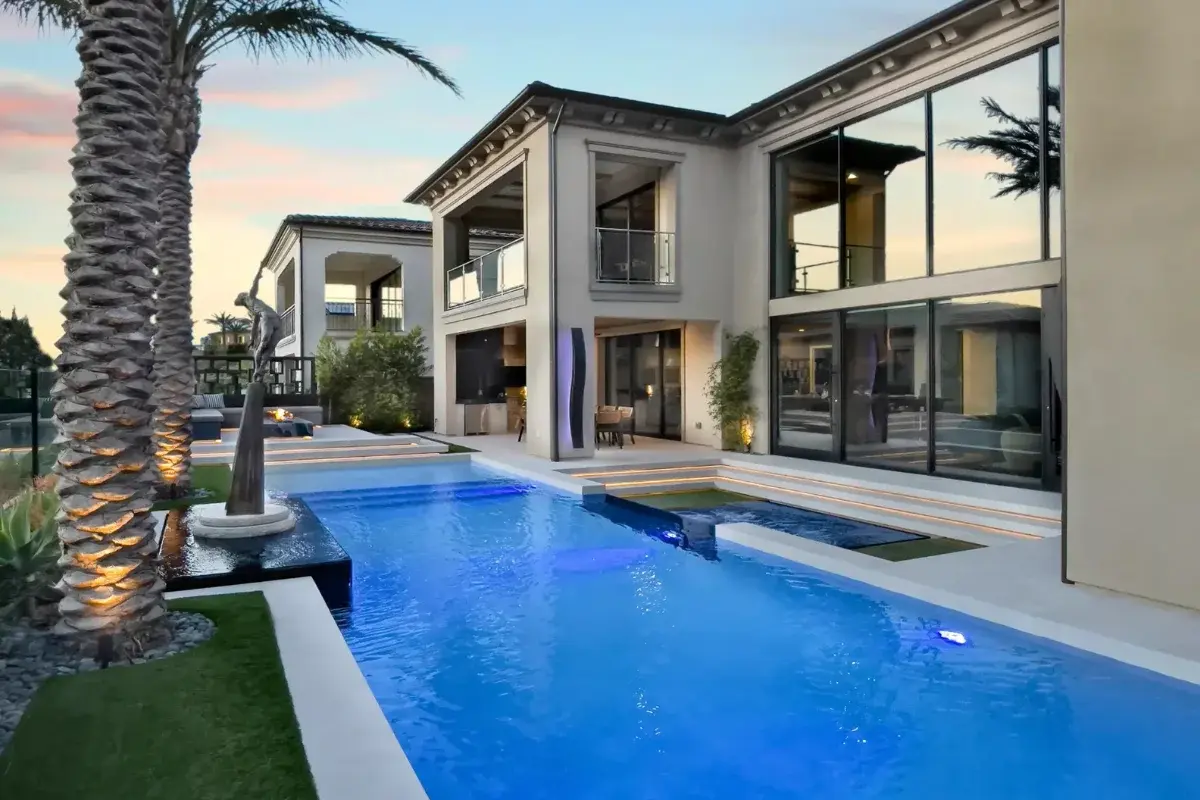
Modern Comfort Meets Low Maintenance
What a Saltwater Pool Is, and What It Is Not

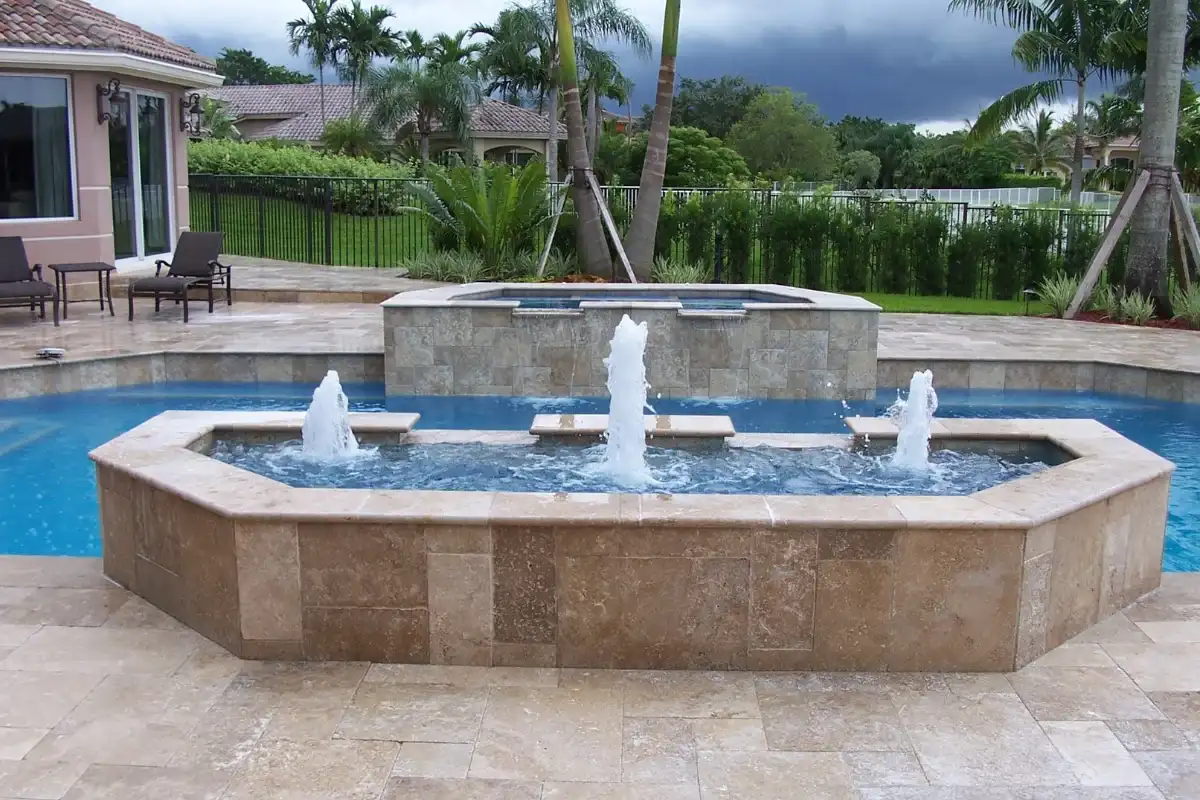
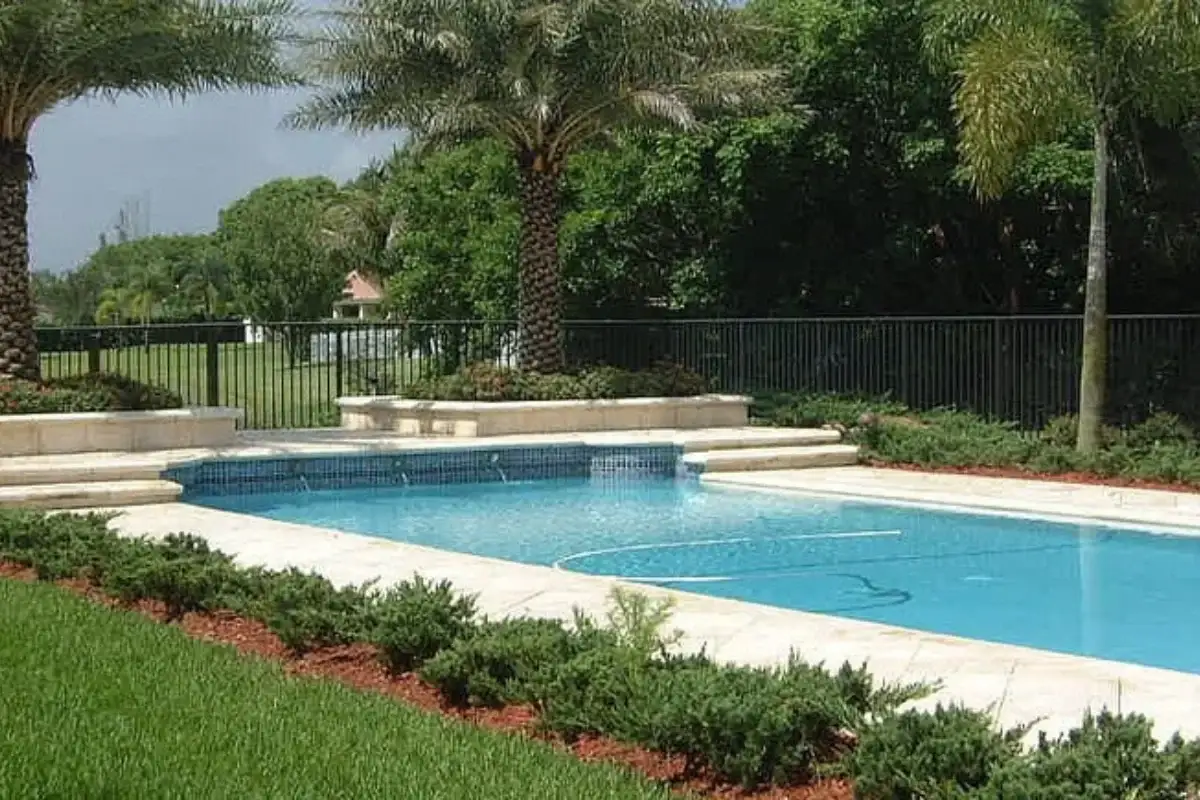
A saltwater pool is a chlorine pool. The salt cell splits dissolved salt and generates chlorine in the water, so the sanitiser is the same; what changes is how it gets there. Instead of buying, storing and dosing chlorine, you add salt occasionally and the system does the rest.
What people actually notice is the feel. Salt levels are around a tenth of seawater, so the water is not salty to taste, but it feels softer and tends to be easier on eyes and skin. That comes largely from steady, continuous dosing rather than from the salt itself: a hand-dosed chlorine pool that is kept properly balanced feels much the same, and most are not kept that way.
What it is not: chemical-free, maintenance-free, or free. The water still contains chlorine. You still test and balance it. And the cell that does the work is a consumable that wears out and needs replacing, which is the cost most comparisons quietly leave out.
Where Salt Suits a Pool, and Where It Does Not
It suits you if the handling is the part you dislike: hauling tablets, storing chemicals, the smell on your hands, the weekly dosing. It suits households with swimmers who find conventional chlorine harsh on eyes and skin. And it suits people who would rather spend on equipment once than on chemicals every month.
It suits you less well if the pool has materials that do not get on with salt. Salt water is corrosive to some metals and can affect certain natural stone, which is why salt-compatible heaters, fittings and sacrificial anodes exist as separate products. If your pool has natural stone coping, or older equipment that predates salt compatibility, that has to be part of the conversation before anything is installed rather than after.
It also suits you less well if you want the lowest possible upfront cost. Conversion is an equipment purchase, and the payback comes over years rather than months.
How the Conversion Runs
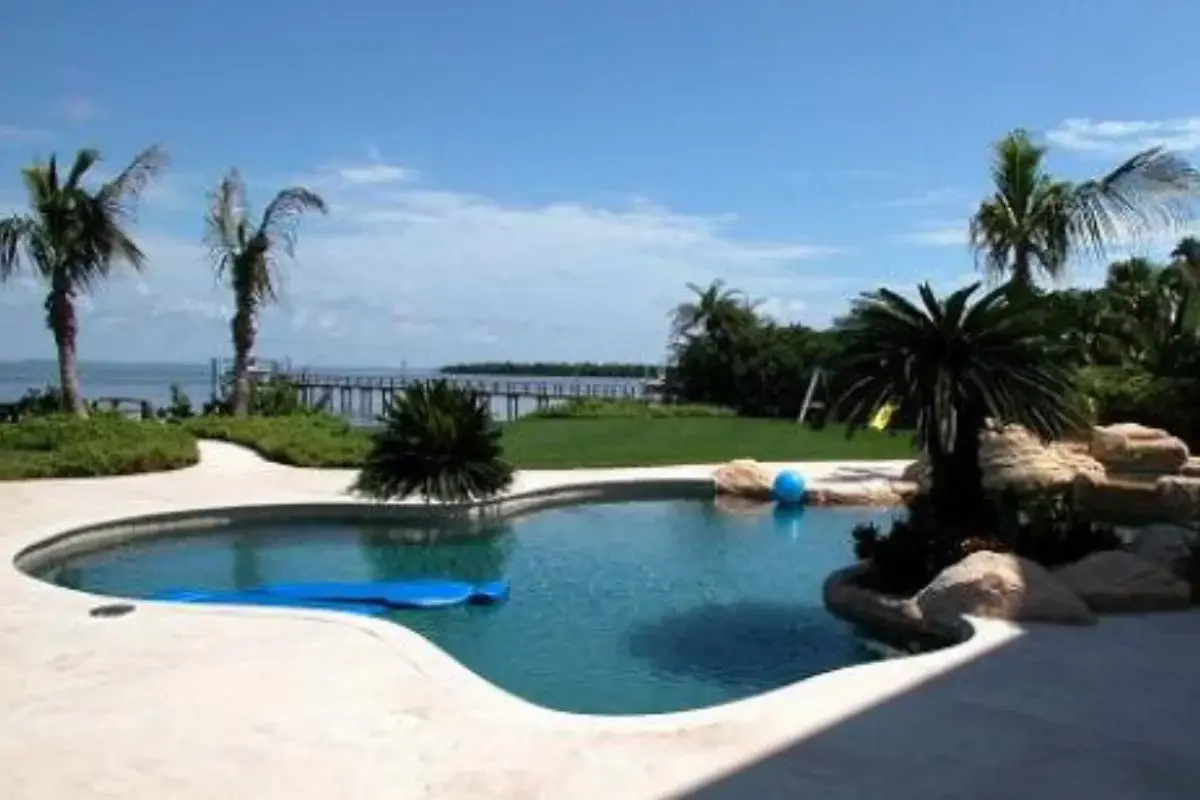
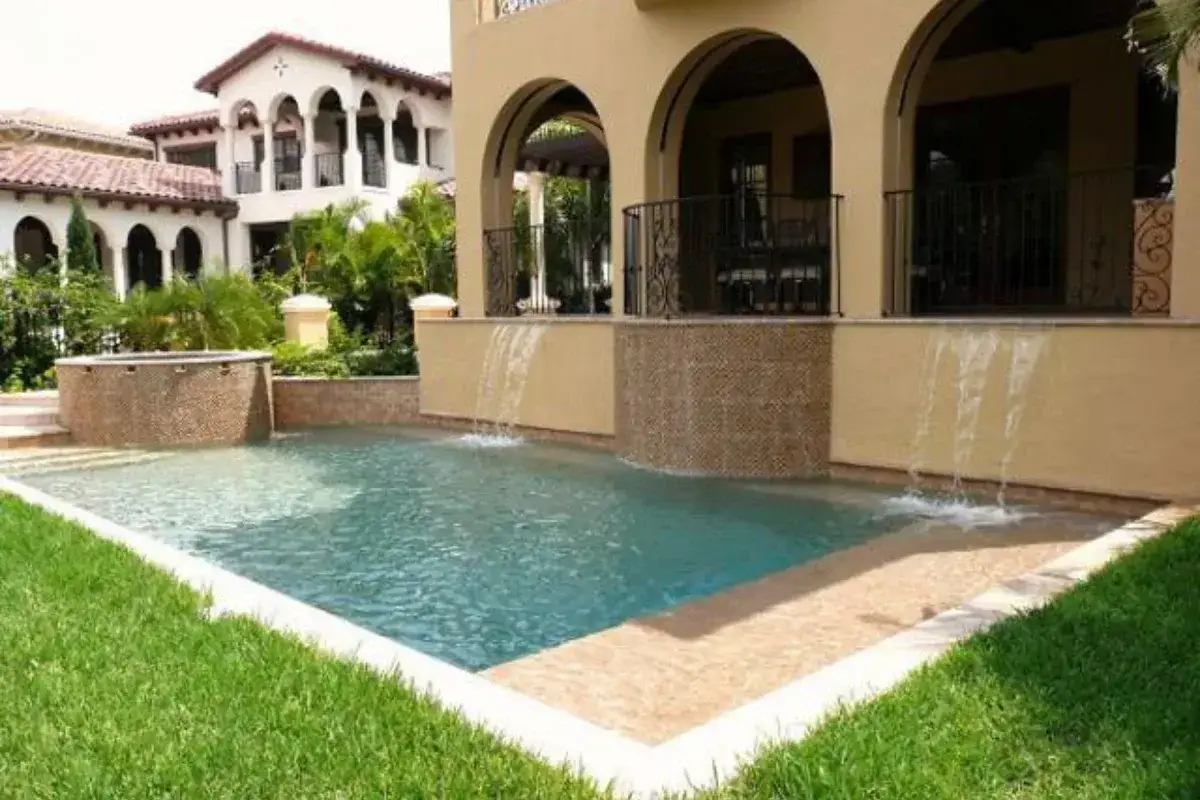
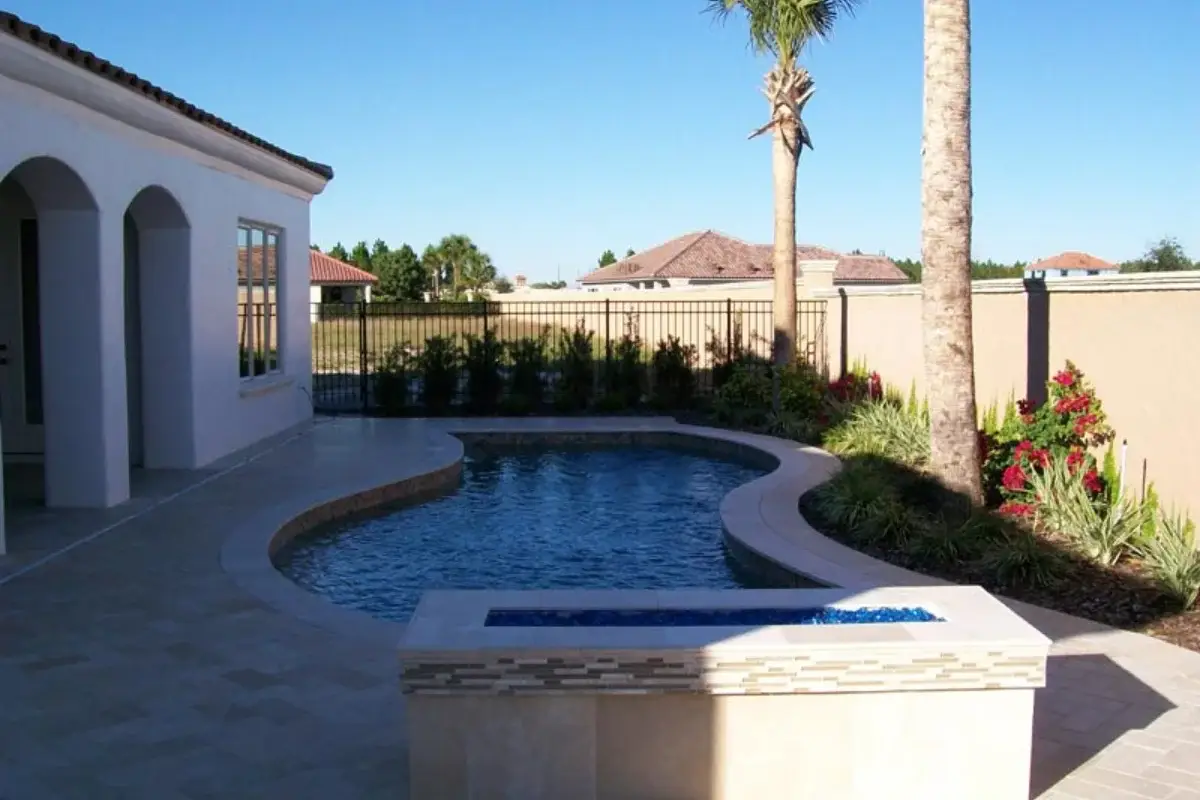
We start by assessing the pool and what is already installed: plumbing, filtration, heater, fittings, and the surfaces the water touches. The point of that assessment is to find anything that will not tolerate salt before it is in the water, not afterwards.
From there the salt cell and control unit are installed, salt is added and dissolved, and the system is calibrated and the water balanced. Most conversions are completed within a day or two, depending on the pool’s condition and any other work being done at the same time, and you get a clear schedule during the consultation.
Where the existing equipment is old enough that it will struggle, we will say so and cover it under pool equipment upgrades rather than installing a new system in front of parts that are about to fail.
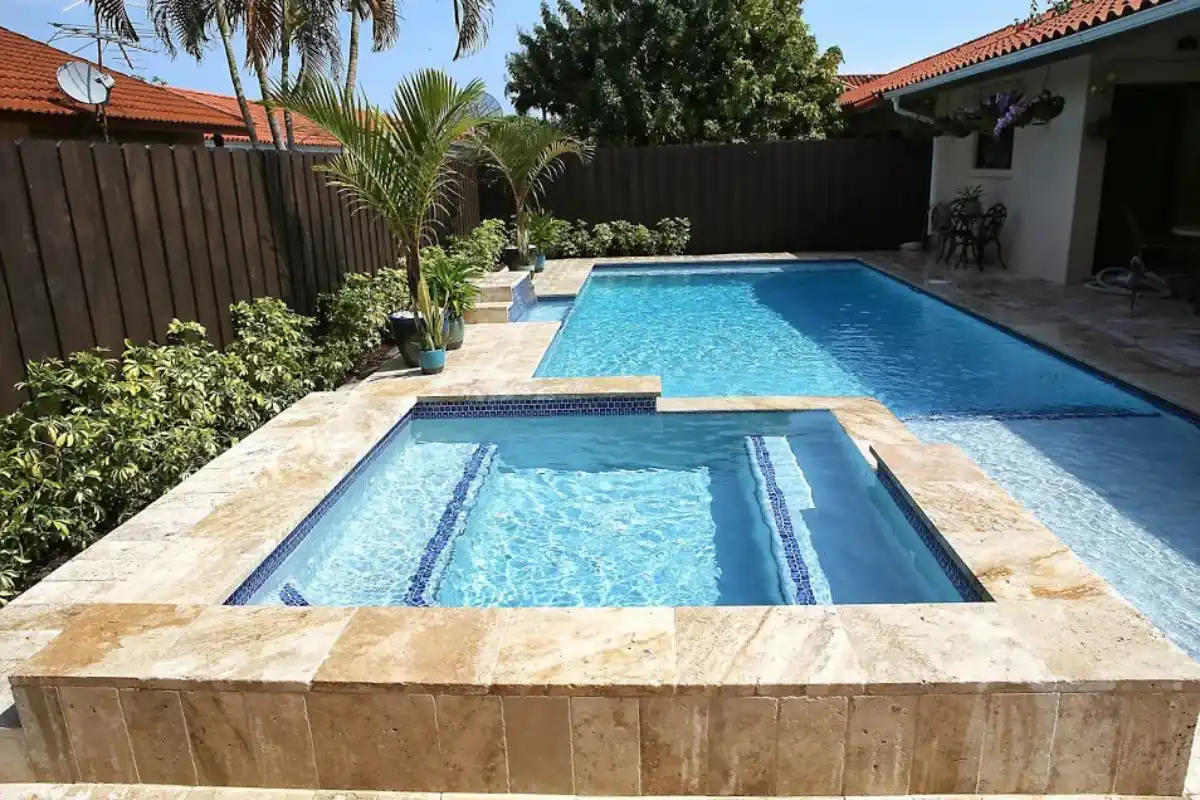
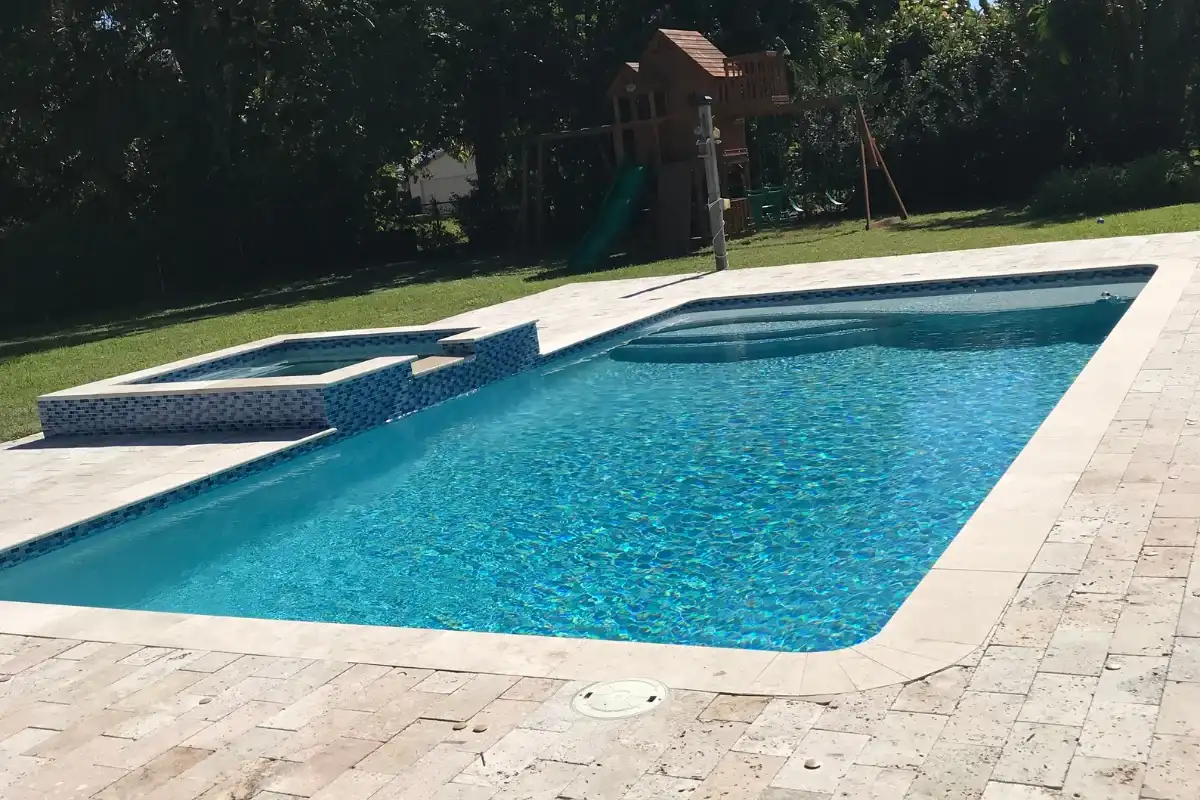
What Conversion Costs, and What It Costs to Run
The conversion itself is an equipment and installation cost, driven by the size of the pool and whether anything else needs replacing to make the system work properly.
Running costs are where the honest comparison lives. You spend less on chlorine and less time handling it. Against that, the cell is a consumable with a replacement cost, and salt systems draw power to run. Whether that nets out cheaper depends on how long the cell lasts and what you were spending on chemicals before. It is a fair trade for most households who want the convenience, and it is not the guaranteed saving the industry sometimes implies.
Financing is available if you would rather spread the cost, explained on our pool financing options page.
Converting as Part of Other Work
The natural moment to convert is when the pool is already drained or the equipment is already open. That means during pool resurfacing, which empties the pool anyway, or as one line item in a full pool remodeling project. If the heater or pump is near the end of its life, replacing it with salt-compatible equipment at the same time costs less than doing it twice.
What Our Clients Say
Aqualis Pools is rated 5.0 on Google, from a small number of reviews, and every one of them can be read on the profile.
Trustindex verifies that the original source of the review is Google.
After talking with several pool companies, Aqualis Pools was the one that made us feel the most comfortable. They listened to our ideas, gave honest feedback, and never tried to push us into things we didn't need. The entire process felt organized and professional. Now that everything is finished, our backyard has become our favorite place to spend time.Posted on Google
 Isabella MillerWhat I appreciated most was how easy the team was to work with. They kept us updated, answered our calls, and followed through on what they promised. There were no surprises along the way, which made the experience much less stressful. The final result turned out beautiful, and we're extremely happy with how everything came together.Posted on Google
 Miranda SuttonAqualis Pools exceeded my expectations from start to finish. Their team is professional, knowledgeable, and committed to delivering high-quality pool construction and renovation services. Communication was excellent throughout the process, and they paid close attention to every detail. The craftsmanship, reliability, and customer service truly set them apart. If you're looking for a trustworthy pool company that delivers beautiful results and a smooth experience, I highly recommend Aqualis Pools. Great work and outstanding service!Posted on Google
 Ethan Carter
Saltwater Conversion Across Georgia
We convert pools for homeowners in Lawrenceville, Buford, Loganville, Athens, Auburn and nearby Georgia communities. The full list is on our service areas page.
Frequently Asked Questions
No. A saltwater pool is a chlorine pool; the difference is that the chlorine is generated continuously from salt in the water rather than added by hand. Anyone who tells you a salt pool has no chlorine in it is mistaken. The benefit is in the handling and the consistency, not the absence of chlorine.
Not meaningfully. Salt levels in a pool are around a tenth of seawater, low enough that most swimmers notice softer-feeling water rather than a salty taste.
Most can, but it depends on what the pool is made of and what equipment is already installed. Some metals and some natural stone do not tolerate salt well, and older heaters and fittings may predate salt compatibility. We assess the pool first and tell you plainly if conversion would cause problems, rather than installing a system and discovering it later.
Salt water is corrosive, which is why salt-compatible heaters, fittings and sacrificial anodes exist. A properly specified system on compatible equipment is not a problem, and that is the point of assessing the pool first. Where existing equipment or materials are not suited, we will tell you before anything is installed.
Most conversions are completed within a day or two, depending on the pool’s condition and any other upgrades happening at the same time. You get a clear schedule during the consultation.
You spend less on chlorine and less time handling it. Against that, the salt cell is a consumable that eventually needs replacing, and the system uses power. For most households it is a fair trade for the convenience; whether it is cheaper overall depends on cell life and what you were spending before.
Start Planning Your Conversion
Two answers decide whether conversion is straightforward for your pool: how old the equipment is, and what the coping and interior surfaces are made of. Bring those and we can tell you quickly whether this is a simple job or one that needs work first.
Call (770) 373-8405 or send us a message.