
Connect your outdoor space with style.
Walkway and Path Installation Across Georgia
A path is a route before it is a surface. Where it goes, how wide it is and whether you can see it after dark decide whether it gets used, and those three are settled on a drawing before anyone chooses a paver.
Aqualis Pools also takes on projects across Florida, Georgia, and South Carolina.
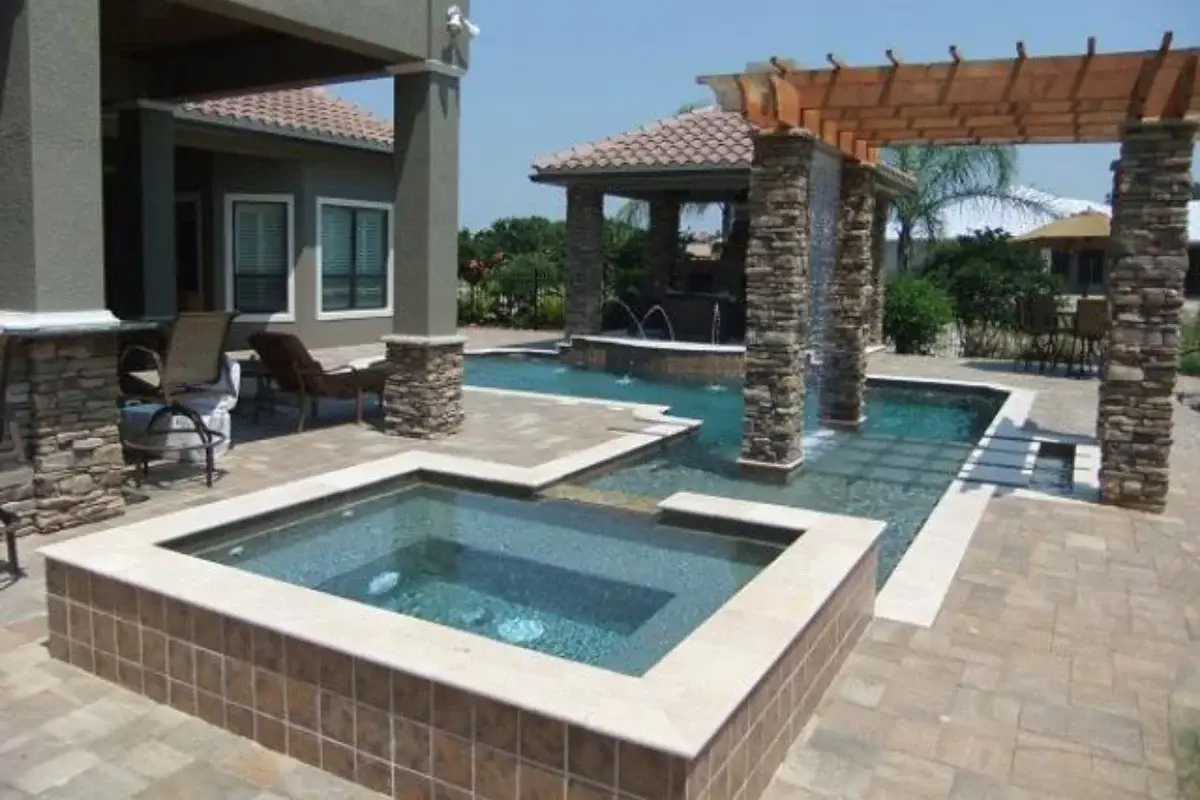
Designed for Flow, Built for Durability
People Walk Where They Walk

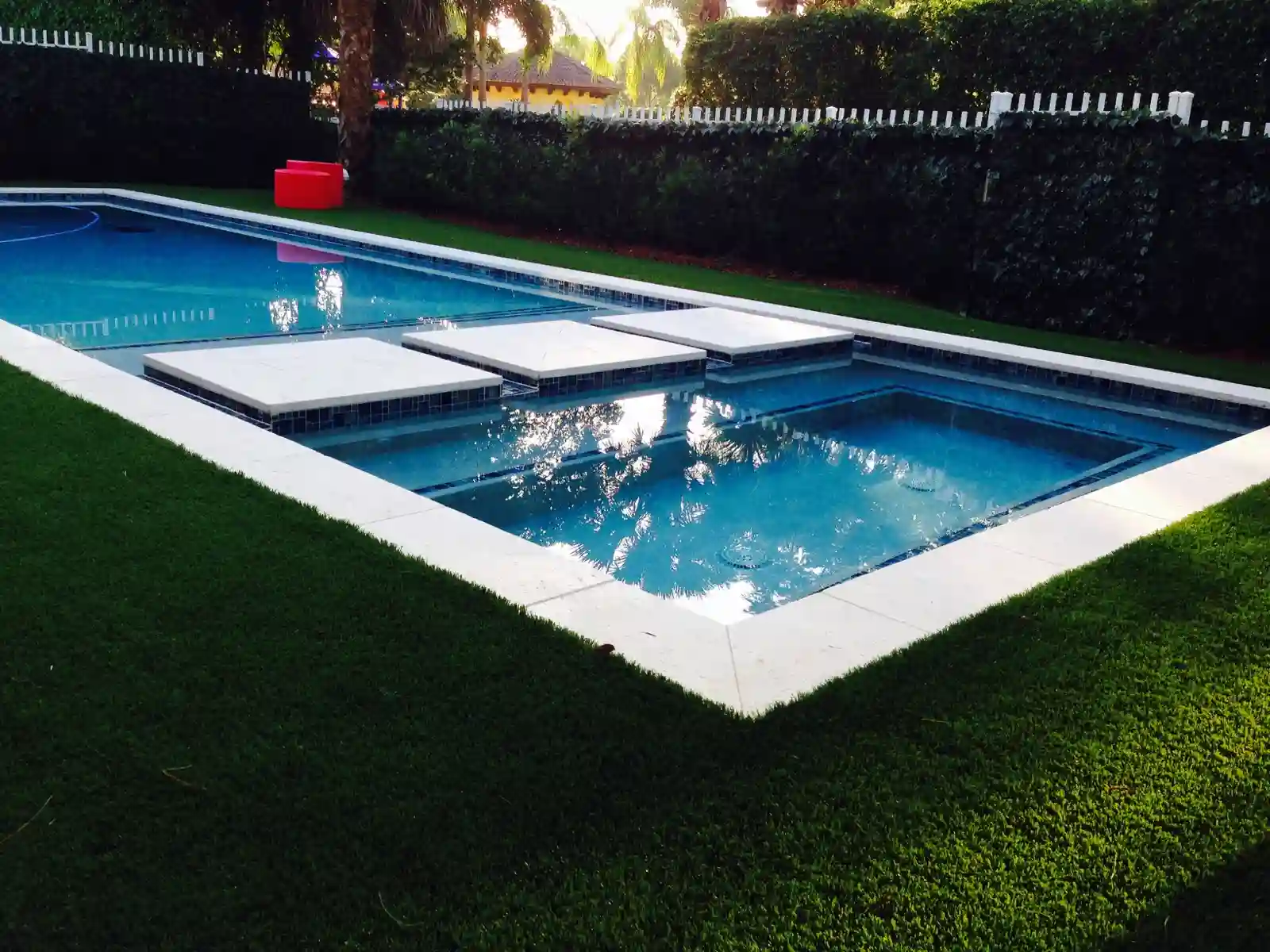
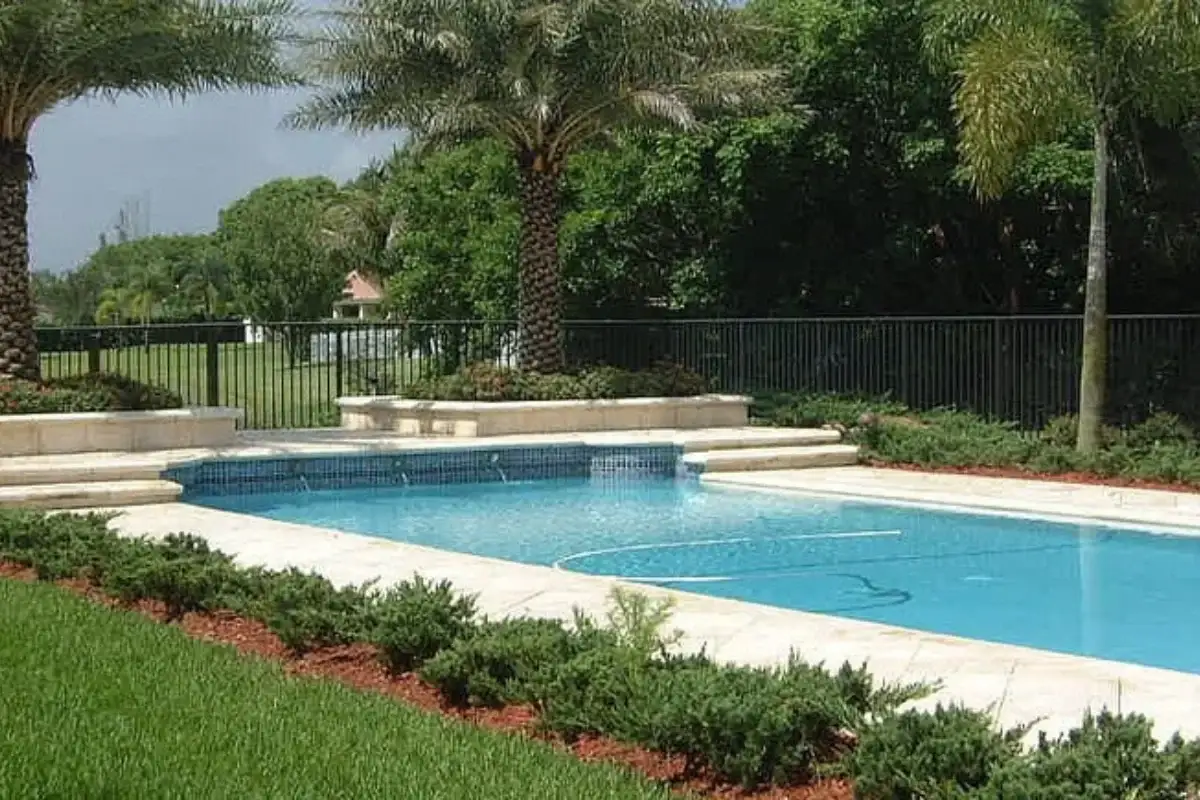
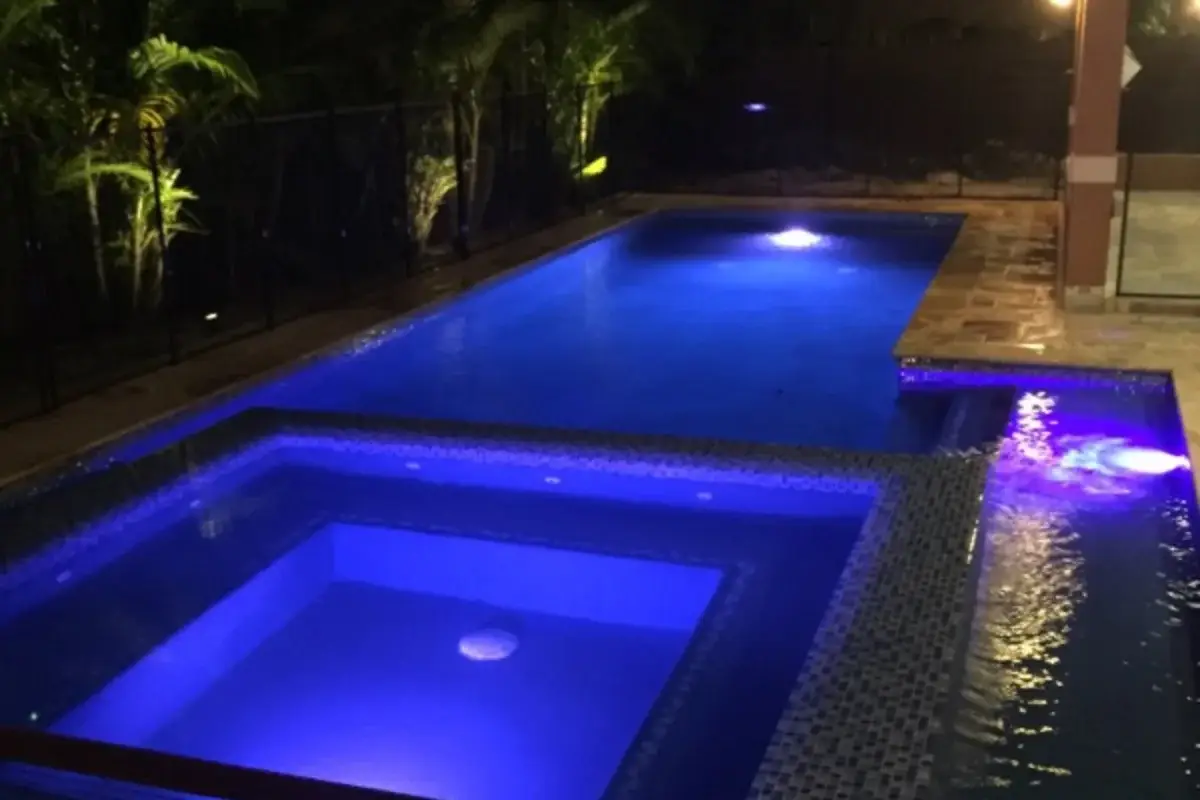
Before anything is drawn, go and look at the grass. If there is a worn line across it, between the driveway and the door or between the back door and the pool, that line is the path your household has already chosen. It was chosen by walking, which makes it better information than a plan drawing.
A path laid somewhere else gets used for a while and then gets cut. People take the short way, the corner of the lawn wears through, and you end up with a path and a track running beside it. That is not a maintenance problem, it is a layout problem, and it was decided before the first paver went down.
Curves are worth being honest about too. A gentle curve around something real, a tree, a bed, a change in level, reads well and gets followed. A curve added for looks across open ground gets short-cut at the first bend by anyone carrying something.
How Wide, and Why It Is the Decision You Notice Daily
Width is where a path budget gets trimmed, and it is the one dimension you feel every single time you use it. A path wide enough for one person is a path two people walk in single file, which means guests walk behind you, and anyone carrying something wide turns sideways.
The honest guidance is to decide by use rather than by number. The main route to the front door is the one people arrive on and it wants to take two abreast. A service run down the side of the house to a gate can be narrower and nobody will mind. The route from the back door to the pool carries towels, trays and children, which argues for generous rather than tidy.
Where a path crosses a level change it becomes steps, and steps have their own rule: every riser in a flight the same height as the others. Uneven risers are the thing people trip on, in the dark, carrying something. Where the level change is being held back by a retaining wall, the steps and the wall are one piece of design rather than two jobs, and building them together is cheaper than cutting them in later.
It Gets Used in the Dark
A path is a daytime object in every photograph and a nighttime object in real life. The walk from the car with shopping, the walk back from the pool at nine in the evening, the walk to the gate to let someone out: those are the trips that decide whether the path was worth building, and they happen in the dark for half the year.
Two things follow. Lighting a path is not about brightness, it is about being able to see the surface and the edges, which usually means low, frequent and pointed downward rather than a floodlight aimed along the route. And light at every change in level is worth more than light along the flat.
The practical part: cable goes in before the surface does. Running power under a path is a trench and an afternoon while the ground is already open, and it is a lifted path afterwards. Where pool lighting is being installed at the same time, the two are worth planning as one job so that the route to the water and the water itself are lit to the same standard rather than in two separate phases.
Surface, and What It Does Under a Wet Foot
Pavers, natural stone, flagstone, gravel and poured concrete all make a path, and they differ in cost, in how they age and in what they do underfoot. The full discussion of what a surface does when it is wet and when it is hot sits on our paver patio page, because it applies to every paved surface on the property and is not specific to paths.
What is specific to a path is that people move faster on it, and often in the dark. A joint that has settled by half an inch is a blemish on a patio and a trip on a path. So the things worth asking about here are not the ones people ask about: how the edges are restrained so the path does not spread, how the surface is kept even at the joints, and what happens where the path meets a step.
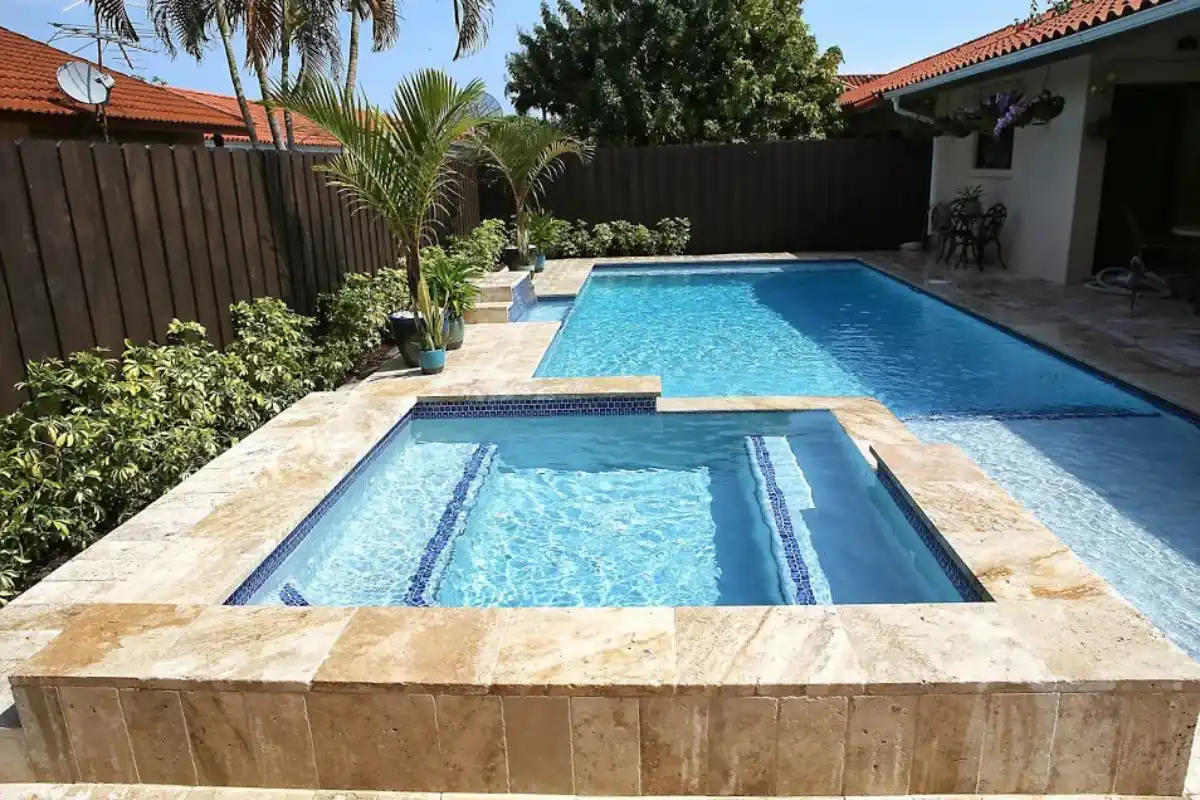
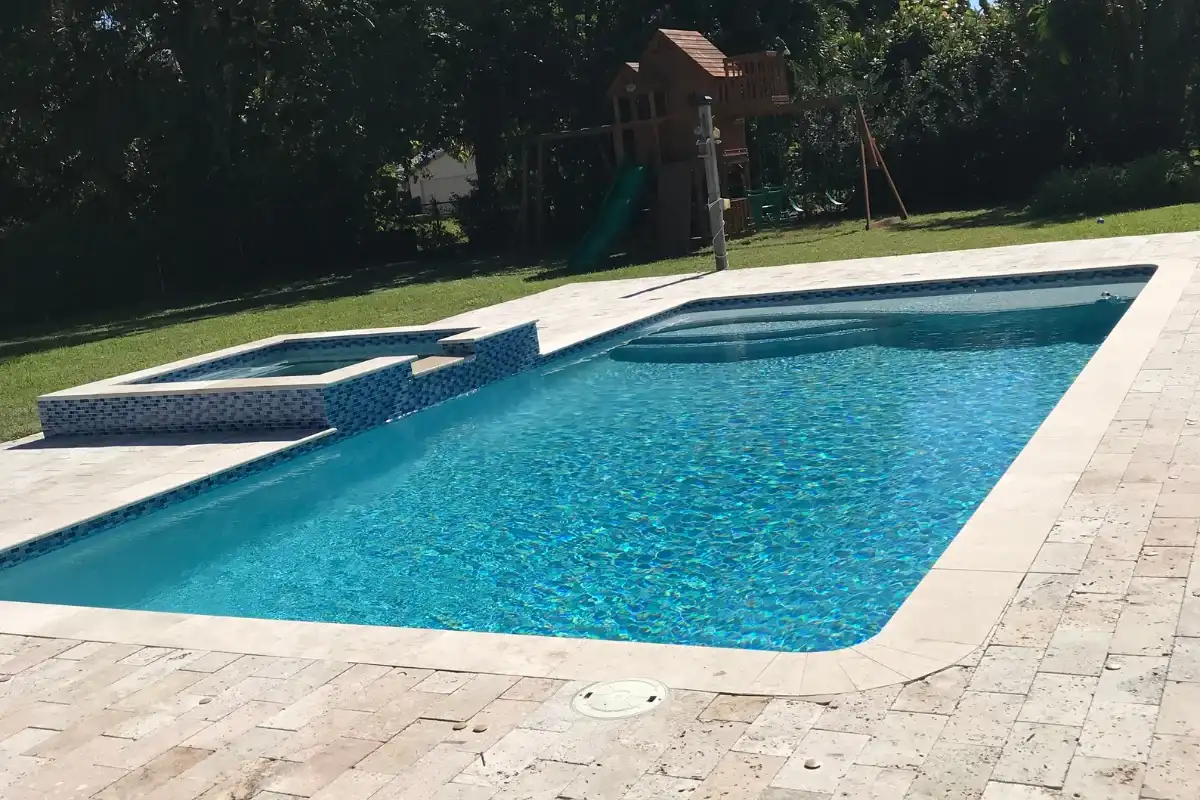
And on slip: it is a property of the finish rather than of the material, and a sealer can change it. Any claim that a path is slip resistant because of what it is made of is worth less than getting a wet sample under your foot before you choose.
One route on a pool property is different from all the others: the one from the house to the water, which is walked barefoot and wet, several times a day, all summer. It is worth treating as its own decision and choosing alongside the pool decking rather than alongside the front path.
What a Walkway Costs
Length times width, and then everything that is not the surface. The paving itself is a smaller share of a path than people expect, because a path is mostly edges, cuts and groundwork per square foot of finished surface, which is the opposite of a large open patio.
What moves the number: the material; how much cutting the shape needs, since curves cost more than straight runs; whether the ground has to be changed; how many steps are in it; whether lighting is being run; and whether the path is being built at the same time as the surfaces at either end of it. That last one is where the savings are, because a path from a driveway to a door is cheapest while both of those are already being worked on.
Where a path is part of a larger backyard project, pool financing options apply to it in the same way they apply to the pool.
What Our Clients Say
Aqualis Pools is rated 5.0 on Google, from a small number of reviews, and every one of them can be read on the profile.
Trustindex verifies that the original source of the review is Google.
After talking with several pool companies, Aqualis Pools was the one that made us feel the most comfortable. They listened to our ideas, gave honest feedback, and never tried to push us into things we didn't need. The entire process felt organized and professional. Now that everything is finished, our backyard has become our favorite place to spend time.Posted on Google
 Isabella MillerWhat I appreciated most was how easy the team was to work with. They kept us updated, answered our calls, and followed through on what they promised. There were no surprises along the way, which made the experience much less stressful. The final result turned out beautiful, and we're extremely happy with how everything came together.Posted on Google
 Miranda SuttonAqualis Pools exceeded my expectations from start to finish. Their team is professional, knowledgeable, and committed to delivering high-quality pool construction and renovation services. Communication was excellent throughout the process, and they paid close attention to every detail. The craftsmanship, reliability, and customer service truly set them apart. If you're looking for a trustworthy pool company that delivers beautiful results and a smooth experience, I highly recommend Aqualis Pools. Great work and outstanding service!Posted on Google
 Ethan Carter
Where the Paths Go on a Pool Property
Three routes matter and they are not equally important. The arrival route from the drive to the front door is the one visitors see, and it sets an impression before anyone reaches the house. The service route down the side of the house is the one that gets used to move things, and it is narrow, unglamorous and worth paving properly because it is walked in the rain. And the pool route, from the back door out to the water and back, is the one that carries wet feet and towels, and it usually wants to land on the pool decking rather than beside it.
All three are the same job at different widths and finishes, and how they tie into one another, and into the levels they cross, is set out on our hardscaping page.
Walkways and Paths Across Georgia
We design and build walkways, paths and steps for homeowners in Lawrenceville, Buford, Loganville, Athens, Auburn and nearby Georgia communities. The full list is on our service areas page, and finished work is in the gallery.
Frequently Asked Questions
Along the line people already walk. Look for a worn track in the grass between the driveway and the door, or between the back door and the pool: where there is one, it is your household telling you where the path belongs. A path laid somewhere more elegant gets short-cut, and you end up maintaining both the path and the line beside it. Curves work when they go around something real, like a tree, a bed or a change in level, and get cut across when they are added over open ground for looks.
Decide by use rather than by a number. The main route to the front door wants to take two people side by side, because otherwise guests walk behind you. A service run to a side gate can be narrower and nobody minds. The route from the back door to the pool carries towels, trays and children, so err generous. Width is where path budgets get trimmed and it is the dimension you notice every single time you use it.
Yes, because the cable goes under the surface. Running power while the ground is already open is a trench and an afternoon; adding it later means lifting the path you just paid for. On lighting itself, the aim is being able to see the surface and the edges rather than brightness, which usually means low fittings, frequently spaced, pointing down. Light at every change in level is worth more than light along the flat.
Some surfaces are better than others, and it depends on the finish rather than on the material category. A textured face grips when wet; a smooth or polished one behaves differently. Sealing changes it again. What is specific to a path, as opposed to a patio, is that people move faster on it and often in the dark, so evenness matters as much as texture: a joint that has settled by half an inch is a blemish on a patio and a trip on a path.
Pavers are the common choice because a path made of units can be lifted and relaid if anything settles. Natural stone and flagstone cost more and look like they belong on an older property. Gravel is the cheap route and it needs edging to stay where it is put, plus topping up over the years. Poured concrete gives a continuous surface and shows its cracks. On a pool property, the route walked barefoot and wet is worth choosing alongside the pool surround rather than alongside the front path.
It depends on the length, how much cutting the shape needs, whether steps are involved, whether lighting is being run, and how much the ground has to be changed first.
Start Planning Your Walkway
Two answers get this moving. Which route are you fixing, and is there already a worn line in the grass where people walk it? And does that route cross a change in level? The first tells us where the path goes and how wide it wants to be. The second decides whether this is a path or a path with steps in it, which is a different price.
Call (770) 373-8405 with those two answers, or send us a message and we will come back with something specific.