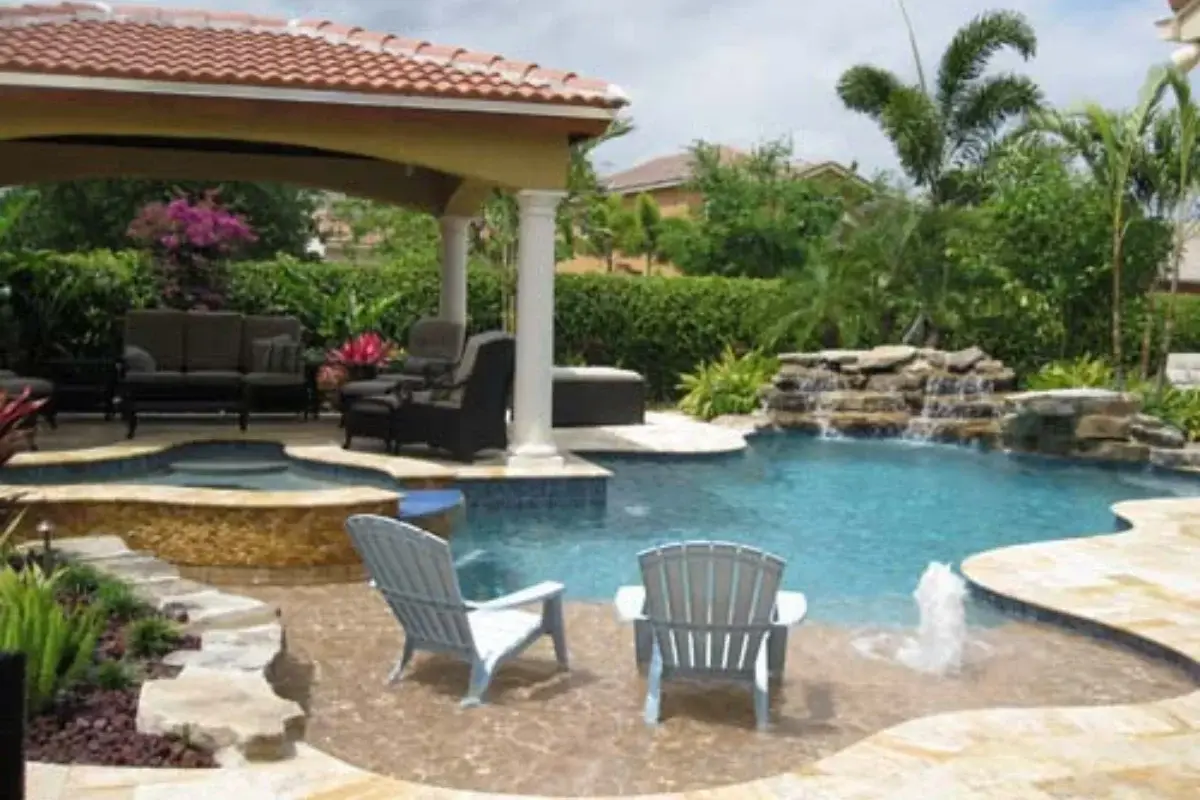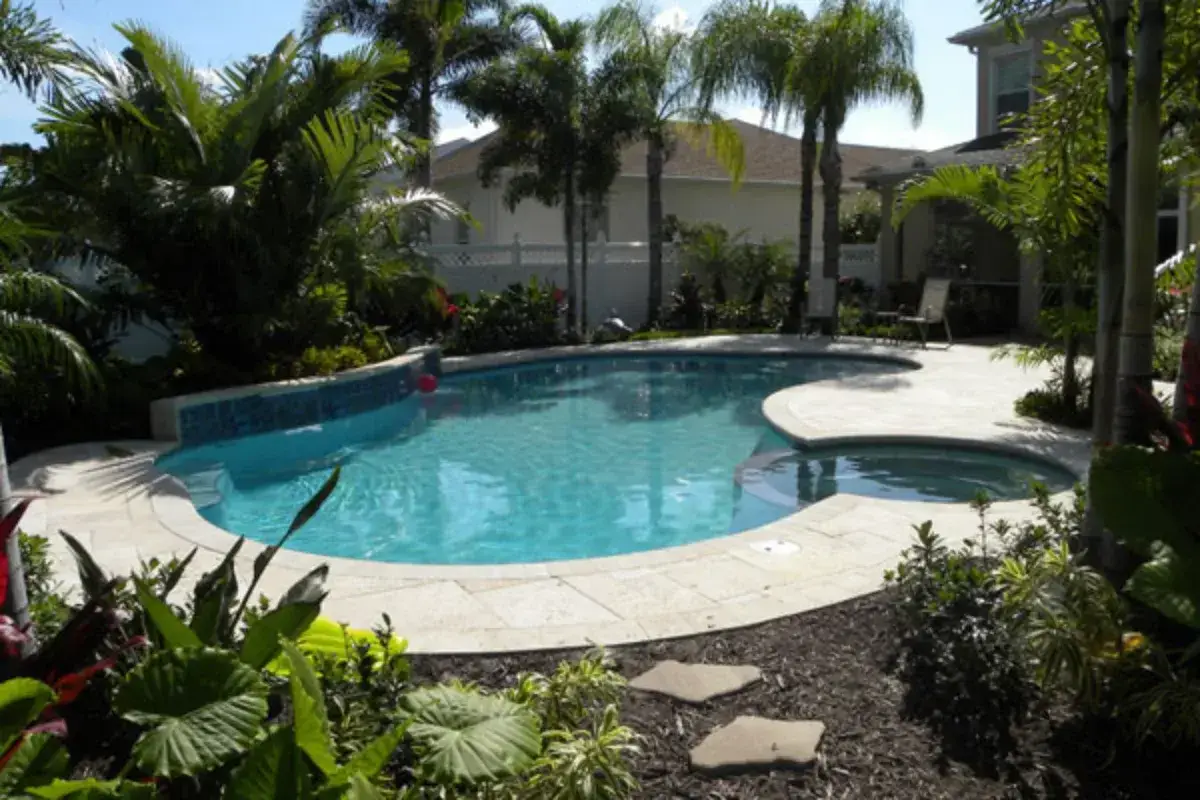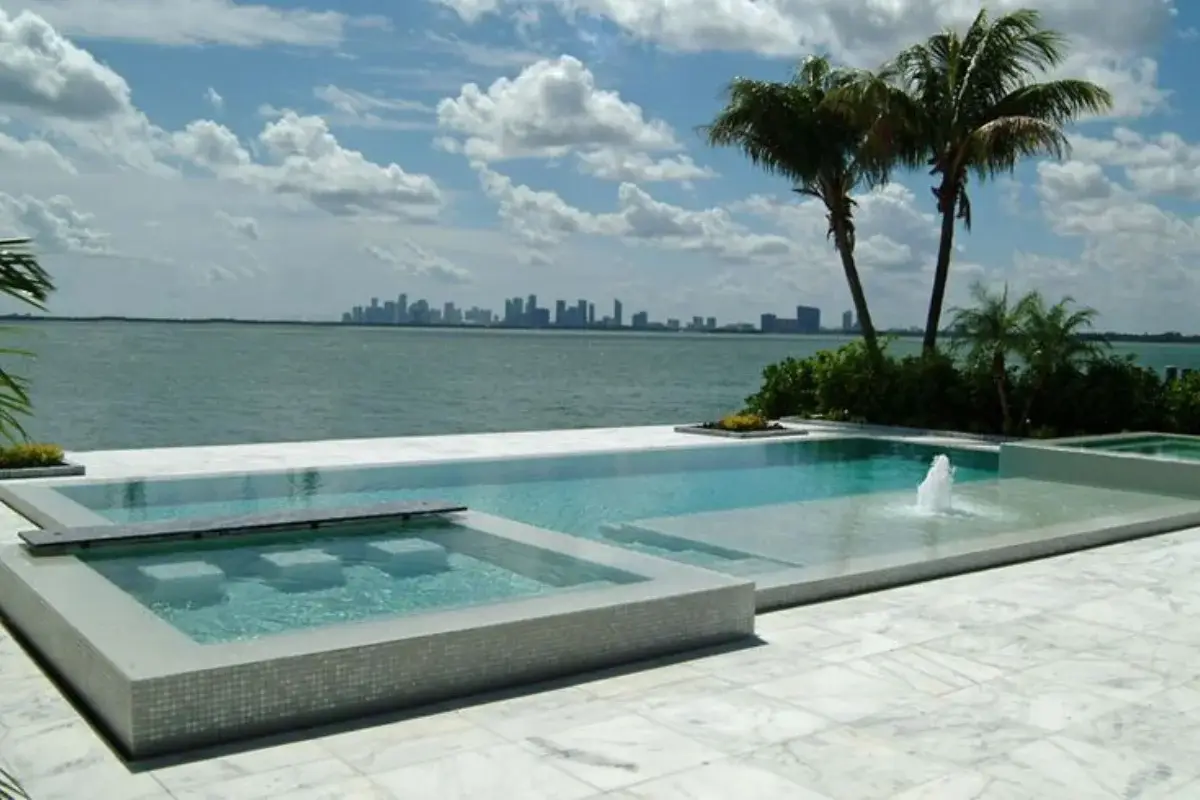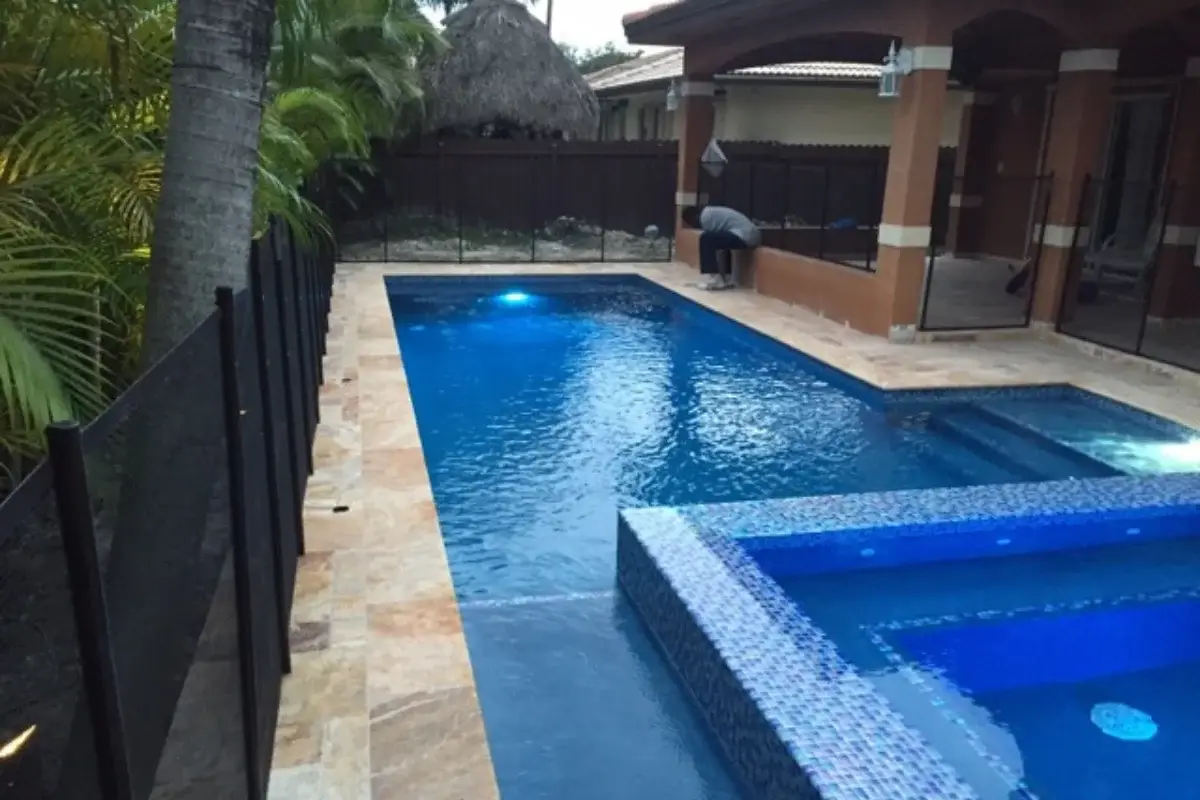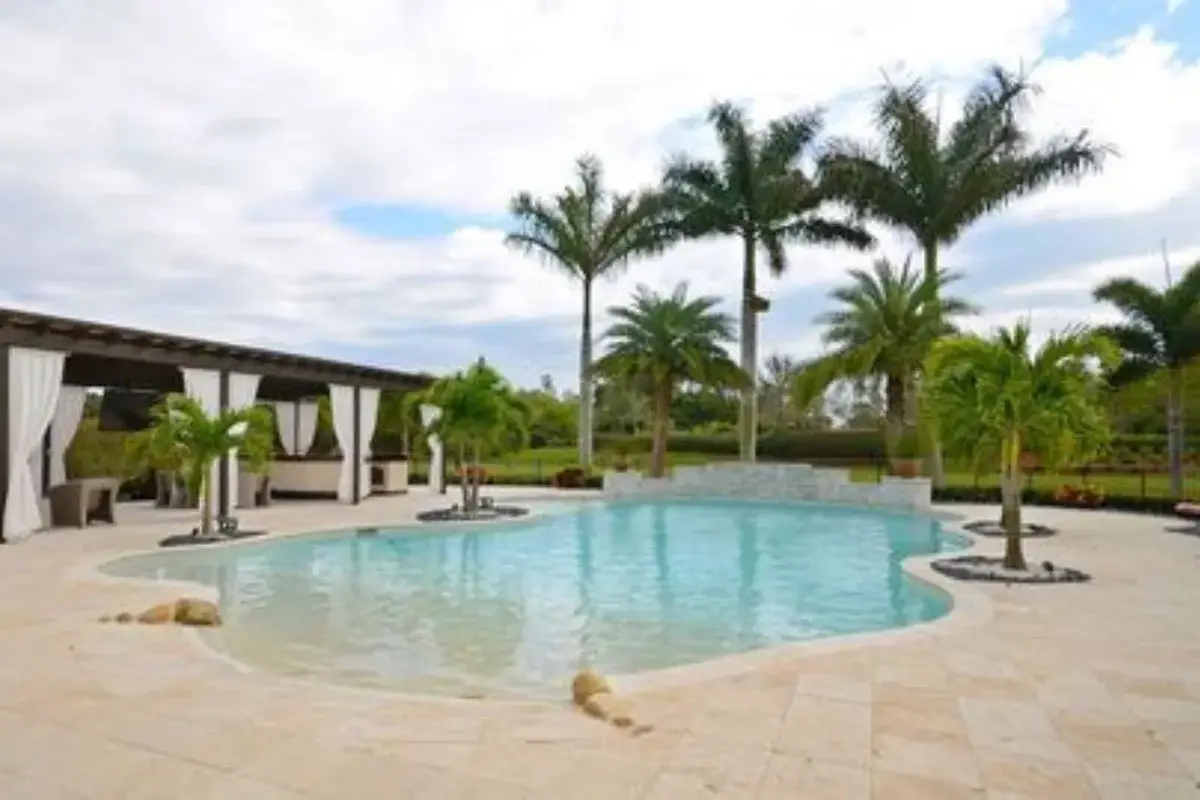

The same pool can be the reason a house sells or the reason a buyer walks, and the difference has very little to do with the pool itself. It has to do with whether it looks like something that has been cared for or something that is about to become the new owner’s problem.
We have renovated a good number of pools in Georgia and across Gwinnett County for clients who were listing within the year, and the pattern is consistent enough to be useful. If you want the broader numbers on which outdoor work recovers its cost, the published cost-recovery data across outdoor projects covers that with sourced figures. This guide is about the narrower and more practical question: what a buyer, and an inspector, actually sees when they look at your pool.
Buyers Are Pricing Risk, Not Beauty
A buyer looking at a pool is doing rough arithmetic. Not “how much do I like this”, but “what is this going to cost me, and when”. Every visible sign of deferred maintenance adds to their estimate, and buyers are not conservative in that estimate because they do not know what they are looking at. A rough patch of plaster that would cost one figure to resurface can easily become a much larger number in a buyer’s head, and that gap is negotiated out of your price.
This is why condition matters more than features at sale. A modest, well-maintained pool with clean records reads as an asset. An elaborate pool with loose tile, a stained deck, and no service history reads as a project, whatever was originally spent on it.
The Asset and Liability Checklist
This is roughly the order we walk a pool in when a client tells us they are selling. The right-hand column is what we would actually recommend doing rather than what would be nice.
| Reads as an asset | Reads as a liability | What we would do |
|---|---|---|
| Interior finish sound, no chalking or heavy staining | Rough, chalky, or patched finish | Resurface. This is the item buyers touch and inspectors note first |
| Waterline tile intact and firmly bonded | Loose, missing, or hollow-sounding tile | Repair or replace. It reads as deferred maintenance and gets worse each freeze |
| Coping level, sound, and not obviously dated | Cracked, lifting, or a trip hazard at the edge | Replace. Also the single biggest change to how modern the pool looks |
| Deck free of settlement, drains away from the pool | Cracking with a level difference, standing water | Investigate the cause before resurfacing anything |
| Equipment recent, quiet, documented | Repeat repairs, obsolete parts, no records | Upgrade, or at minimum assemble service records |
| Barrier compliant, gates self-close and self-latch | Non-compliant or unreliable barrier | Address regardless of sale plans. This is a safety matter first |
| Clean service history available | No records, uncertain age of finish | Gather what you have. Documentation reduces buyer uncertainty more than most upgrades |
Safety and Compliance Is the Item Most Likely to Surface
Of everything on that list, barrier compliance is the one most likely to come up in an actual transaction. Georgia requires barriers around residential pools and local jurisdictions set the specifics, and a barrier that is missing, non-compliant, or fitted with gates that no longer self-close and self-latch is the kind of finding that generates paperwork and delay at exactly the wrong moment.
We would address it regardless of whether you are selling, because it is a safety matter before it is a transaction matter. Modern pool fencing and safety options are considerably less intrusive than the fencing most people picture: removable mesh, or frameless glass panels that preserve the view almost entirely. If your barrier dates from an earlier era or was never quite right, this is worth resolving on its own terms.
|
What Is Usually Worth Doing Before Listing
Not everything pays for itself on a short timeline, and we would rather say which is which.
- Resurfacing, if the finish is visibly failing. This is the item buyers touch and inspectors record. A chalky or patched finish is read as a large unknown cost. pool resurfacing removes that unknown, and it is the pre-sale work we are asked for most.
- Coping and waterline tile, if either is failing. Loose tile is deferred maintenance in visible form, and cracked coping at the pool edge is a trip hazard an inspector will note. pool tile and coping work also does more than anything else to stop a pool looking dated.
- Deck resurfacing, if the substrate is sound. The deck is half of what a buyer sees, and pool deck resurfacing costs a fraction of replacement. If paving has settled or water runs toward the pool, that needs diagnosing first rather than covering.
- Assembling service records. This costs nothing and reduces buyer uncertainty more effectively than several thousand dollars of cosmetic work. Age of the finish, equipment installation dates, and recent service visits all help.
What Is Usually Not Worth Doing Before Listing
Equally important, and less often said by contractors.
- Structural remodeling. Changing the shape, adding a tanning ledge, or adding a spa are expensive and highly personal. A buyer may not value what you chose. Do these because you want them, not to sell.
- Premium finish upgrades on a short timeline. If resurfacing is needed, a mid-tier finish presents essentially as well as the most expensive option in photographs and viewings. Save the premium specification for a pool you are staying with.
- New feature additions. Fire bowls, sheer descents, and similar additions are enjoyable and rarely recovered at sale on a short horizon.
- Full equipment replacement purely for presentation. If equipment works and has records, that is usually enough. If it is failing or repairs are routine, pool equipment upgrades is a different conversation and worth doing, but replacing functional equipment to impress a buyer rarely pays.
If You Are Staying, the Calculation Is Different
Most of our clients are not selling, and for them the framing above is the wrong one. Work you will enjoy for ten years does not need to justify itself on a resale spreadsheet, and a premium finish that lasts twice as long genuinely costs less per year even though it costs more today.
The overlap between the two situations is condition. Resurfacing when the finish is failing, replacing tile that has debonded, and keeping equipment current all serve you either way, which is why they sit at the top of both lists. If you are not sure where your pool stands, how to tell whether your pool is due is the diagnostic guide, and what a full renovation covers sets out the scope options. Ageing pool pump repair and pool heater repair call-outs, updated pool lighting, new pool decking, and a saltwater conversion are all cheapest to address while other work is underway.
You can see pool remodels we have completed across the area, hear from clients we have prepared homes for, check the areas we serve, and review financing pre-sale work if the timing is tight. Where the whole backyard is tired, folding pool work into broader outdoor living work or a single pool remodeling project usually costs less than separate visits.
Frequently Asked Questions
Does a pool help or hurt when selling a house?
It depends almost entirely on condition rather than on the pool itself. A well-maintained pool with sound surfaces, a compliant barrier, and service records reads as an asset. A pool with visible deferred maintenance reads as an unknown cost, and buyers estimate unknown costs generously in their own favor. For figures on cost recovery across outdoor projects generally, our separate guide covers the published NAR data.
What should I fix on my pool before selling?
In order: the interior finish if it is chalking or heavily stained, any loose waterline tile, cracked or lifting coping, and the deck surface if the substrate is sound. Then gather service records, which cost nothing and reduce buyer uncertainty more than most physical work. Barrier compliance should be addressed regardless of your sale plans.
Is it worth renovating a pool before listing?
Condition work usually is; discretionary work usually is not. Resurfacing a failing finish and fixing failed tile or coping remove specific buyer objections. Structural remodeling, premium finish upgrades, and new features are expensive, personal, and rarely recovered on a short timeline. We will tell you which category your pool falls into.
How far ahead of listing should pool work be done?
Earlier than most people plan. Fall and winter are the better months to renovate in this part of Georgia, schedules are shorter than the spring rush, and finishes need time to cure and the water to balance. Booking work weeks before a spring listing is the most common timing mistake we see.
Find Out Where Your Pool Actually Stands
You dream it, we build it. Aqualis Pools is a family owned, licensed and insured builder with more than 20 years of experience, backed by a 15 year structural warranty, 15 years on plaster, and 3 years on equipment, serving Georgia and the surrounding Georgia communities. Whether you are listing next spring or staying for the next twenty years, we will tell you plainly what your pool needs and what it does not. Call +1 (770) 373-8405 or tell us your timeline. The assessment and quote are free.