Pools do not fail all at once. The plaster gets rough underfoot, the waterline tile starts letting go, the deck stains, the pump runs louder than it used to, and one summer you realize the whole thing looks tired rather than any single part of it being broken.
That is the point most of our renovation clients call us, and the first question is always the same: how much of this actually needs doing? After more than 20 years of pool remodeling across Georgia and Gwinnett County, our family owned team has found the answer is usually less than people fear and in a different order than they expect. Here is what a renovation covers, how the options differ, and what drives the price.
Three Levels of Renovation
It helps to know which conversation you are having, because the three tiers differ enormously in cost and disruption.
Level One: Resurfacing and Refresh
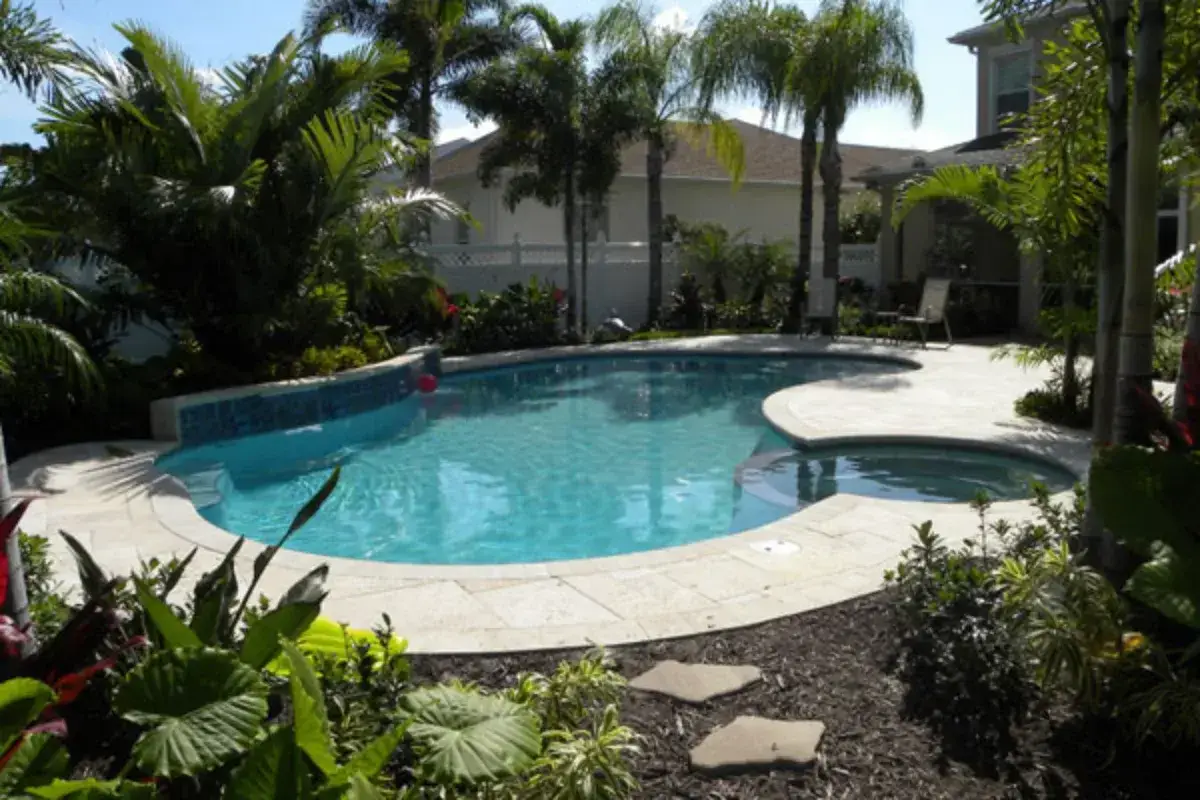
New interior finish, new waterline tile, and often new coping. The pool keeps its shape, size, and plumbing. This is the most common renovation we do, it addresses the majority of what makes a pool look old, and it is the least invasive. If your pool functions well and simply looks worn, this is very likely your answer.
Level Two: Renovation with Equipment and Surroundings
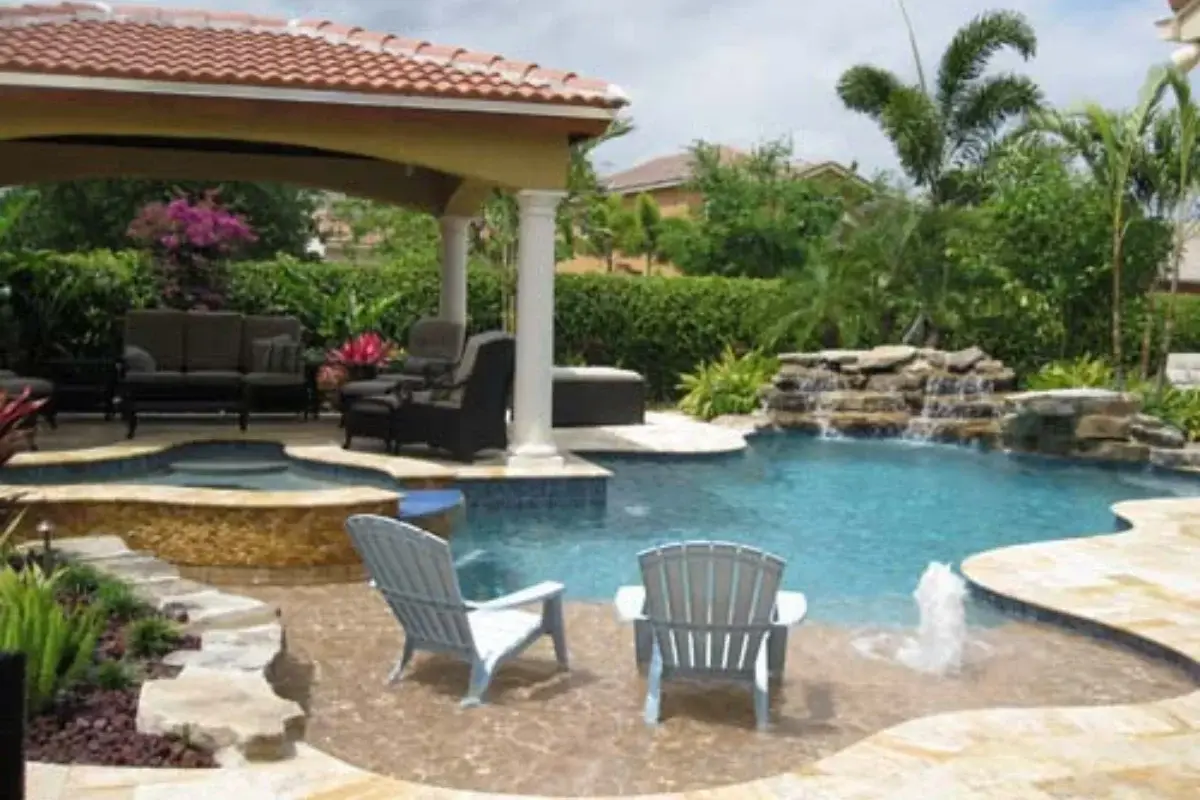
Everything in level one plus the systems and the space around the water: new pool equipment upgrades, modern pool lighting, automation, and resurfaced or replaced decking. This is where a pool stops looking dated and starts feeling new, because the deck and the lighting affect the impression as much as the water does.
Level Three: Structural Remodel
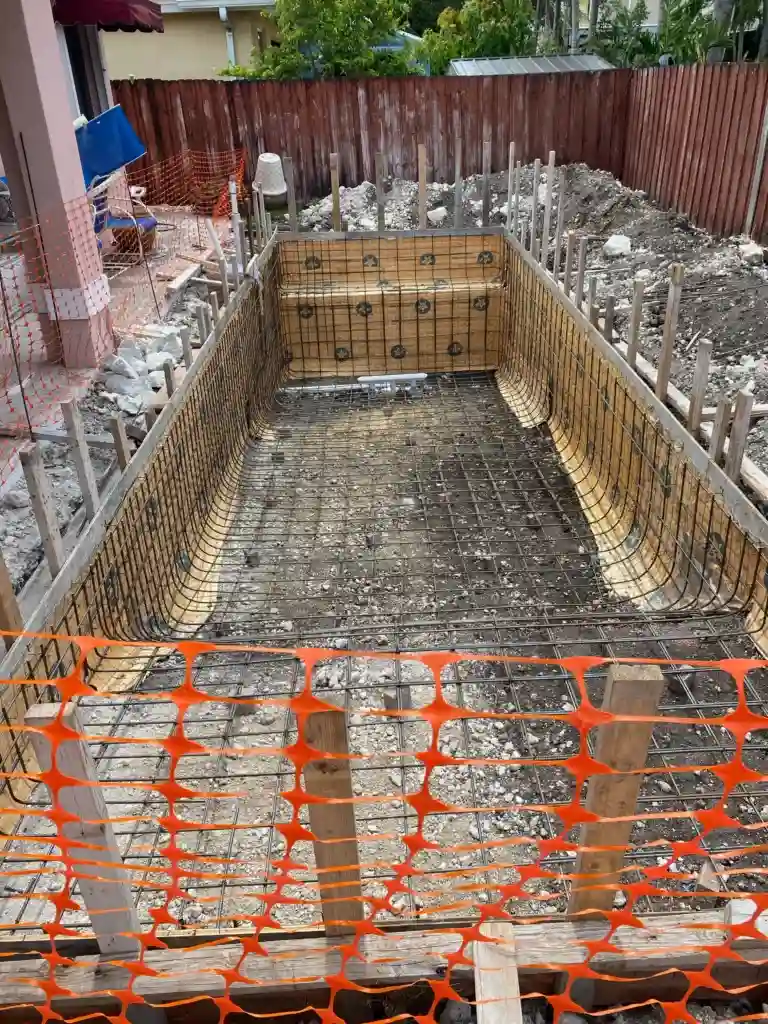
Changing the pool itself: altering the shape, adding a tanning ledge or an integrated spa, changing depth, or relocating steps. This is the largest and most expensive category, it involves concrete work and often re-plumbing, and it is worth doing only when the existing pool genuinely does not suit how you want to use it.
Choosing an Interior Finish
The finish is the single decision that most affects both how the renovation looks and how long it lasts. Service life varies with water chemistry, maintenance, and use, so treat these as typical ranges rather than guarantees.
| Finish | Relative cost | Typical service life | Notes |
|---|---|---|---|
| Plaster (white marcite) | Lowest | Roughly 7 to 12 years | Smooth underfoot, traditional look. Stains and etches most readily, and shows patching |
| Quartz aggregate | Mid | Roughly 10 to 15 years | Better stain and chemical resistance than plaster, wider color range, slightly textured |
| Pebble finish | Higher | Roughly 15 to 20+ years | The most durable common option and the one we specify most. Textured underfoot, which some clients love and some do not |
| Polished aggregate | Highest | Roughly 15 to 20+ years | Pebble durability with a smoother polished surface. Premium cost, contemporary appearance |
| Tile (full waterline or full interior) | Highest | Decades if installed well | Full interior tile is a luxury specification. Waterline tile is standard on almost every renovation |
The honest guidance we give: if you intend to stay in the house, the more durable finishes usually cost less per year of service despite the higher upfront price, because the labor of draining, prepping, and refinishing is much the same whichever material goes on. If you are renovating to sell, a mid-tier finish presents just as well. Pebble is what we specify most often for clients staying put.
|
Tile, Coping, and the Details That Date a Pool
Waterline tile and coping do more to date a pool than the interior finish does, and they are usually replaced together with resurfacing because the work overlaps. Failing tile is also a functional issue rather than a cosmetic one: loose tile lets water behind it, and in a Georgia winter a handful of hard freezes will lift more of it every year.
Coping is where we see the most obviously dated material choices, and replacing it changes the whole read of a pool. Our pool tile and coping work is often what clients notice most in before and after photographs, more than the finish they were originally focused on.
The Deck Is Half of What People See
A beautifully refinished pool surrounded by cracked, stained concrete still reads as an old pool. Deck work is frequently the highest-impact part of a renovation and it is regularly left out of the initial brief.
If the substrate is sound, pool deck resurfacing costs a fraction of replacement and transforms the space. If paving has settled or drainage runs toward the water, that needs correcting first, and the same diagnostic logic applies as with any hardscape, which we cover in whether to repair or replace a failing deck. New pool decking in a light-colored material also solves the heat-underfoot problem that dark decks create in July.
Equipment and Automation
Older single-speed pumps, aging heaters, and dated filtration are usually the least visible part of a renovation and often the most worthwhile, because they affect what the pool costs to run every month rather than how it looks once a year. Automation lets you control temperature, lighting, and cleaning schedules from a phone, and it is the upgrade our clients mention most often afterward.
If pool heater repair or pool pump repair calls are becoming routine, replacing during a renovation is usually better economics than repairing again, because the equipment pad is already being worked on. A saltwater conversion is also easiest to do at this point. We cover the running-cost side of these decisions separately rather than making claims here that we have not quantified.
Features Worth Adding During a Renovation
Some additions are dramatically cheaper during a renovation than afterward, because the pool is already drained and the deck is already open.
- Tanning ledges and built-in seating. Structural work, so this belongs in a renovation rather than as a later addition.
- An integrated spillover spa. Shares equipment and plumbing with the pool, which is why adding one during a renovation costs far less than as a standalone project.
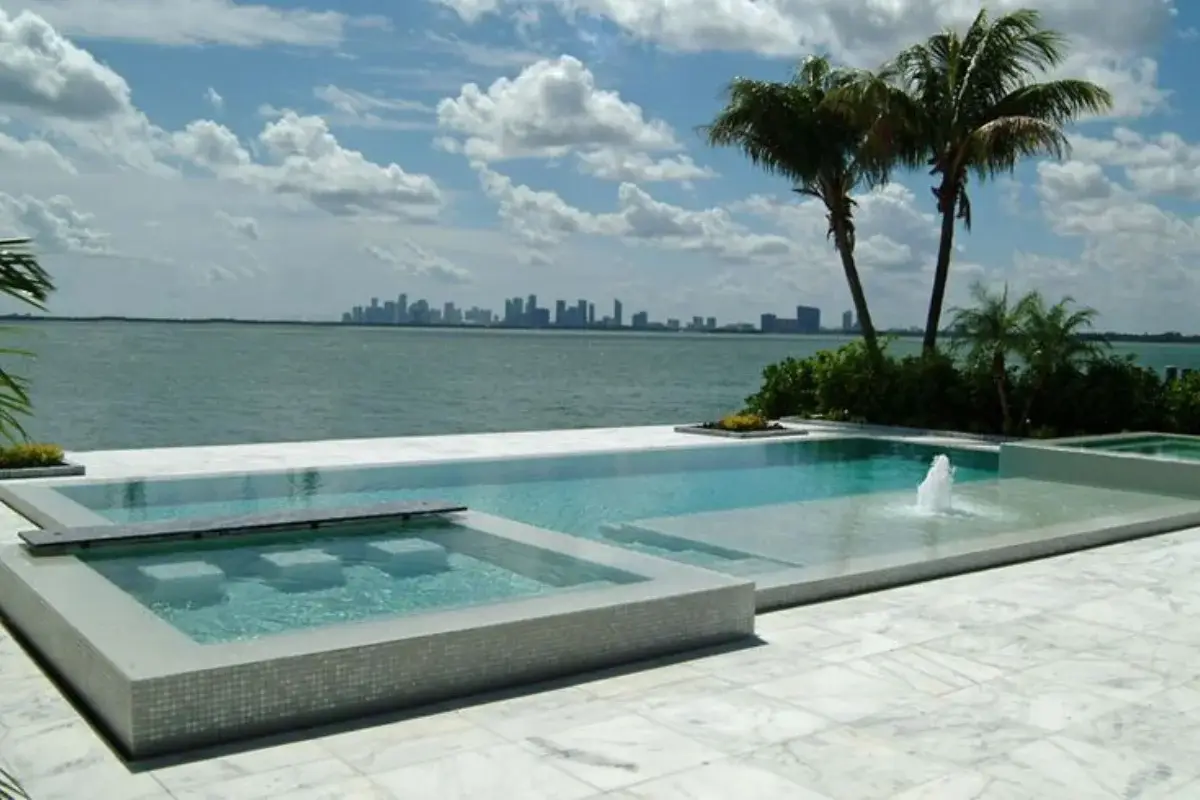
- Water and fire features. Sheer descents, bubblers, and fire bowls all need plumbing or gas runs that are much easier while the deck is open.
- Updated pool fencing and safety. If your barrier is dated or non-compliant, a renovation is the natural moment to address it, and modern mesh or glass options are far less intrusive than older fencing.
Our full range of pool features and add-ons sets out the options, and integrating them with broader outdoor living work at the same time avoids paying twice for access and demolition.
What Drives the Cost, and When to Do It
Pool size and surface area set the baseline, then finish selection, then how much of the deck and coping is included, then whether equipment is being replaced, then whether any of it is structural. Access matters here as it does with any build: a backyard that machinery cannot reach costs more in labor.
On timing, fall and winter are the best months to renovate in this part of Georgia. Schedules are shorter than the spring rush, the work is not competing with the season you want to swim in, and everything is cured and ready by the time it warms up. Clients who call in April frequently wait longer than those who call in October. For the resale side of the decision, what the published resale data actually says sets out the figures, and for how a project runs day to day, how a build actually runs, phase by phase covers the process.
You can see renovated pools across the area, hear from clients we have renovated for, check the communities we serve, and review financing a renovation if you would rather do the whole thing at once. For resurfacing specifically, our pool resurfacing page covers that service in detail.
Frequently Asked Questions
How often does a pool need resurfacing?
It depends on the finish and how the water has been maintained. Plaster typically runs roughly 7 to 12 years, quartz aggregate 10 to 15, and pebble or polished finishes 15 to 20 or more. Rough texture underfoot, persistent staining, visible patching, and plaster that chalks on your hand are the usual signs it is due.
What is the best pool finish?
Pebble is the most durable common option and what we specify most for clients planning to stay in the home, because the labor cost of refinishing is similar whichever material goes on, so a longer-lasting finish usually costs less per year. Quartz is a solid mid-tier choice, and polished aggregate offers pebble durability with a smoother feel at a premium price.
Should I replace pool equipment during a renovation?
If the equipment is aging or repairs are becoming routine, yes, because the pad is already being worked on and access costs are shared with the rest of the project. The same applies to a saltwater conversion and to any plumbing changes. Doing it separately later means paying twice for the same access.
When is the best time of year to renovate a pool in Georgia?
Fall and winter. Schedules are shorter than the spring rush, the work does not consume your swimming season, and the pool is finished and cured before it warms up. Spring bookings fill quickly, so planning a season ahead usually means starting sooner.
Find Out What Your Pool Actually Needs
You dream it, we build it. Aqualis Pools is a family owned, licensed and insured builder with more than 20 years of experience, backed by a 15 year structural warranty, 15 years on plaster, and 3 years on equipment, serving Georgia and the surrounding Georgia communities. If your pool is looking tired, we will tell you which level of renovation it genuinely needs and what can wait. Call +1 (770) 373-8405 or tell us what your pool needs. The assessment and quote are free.