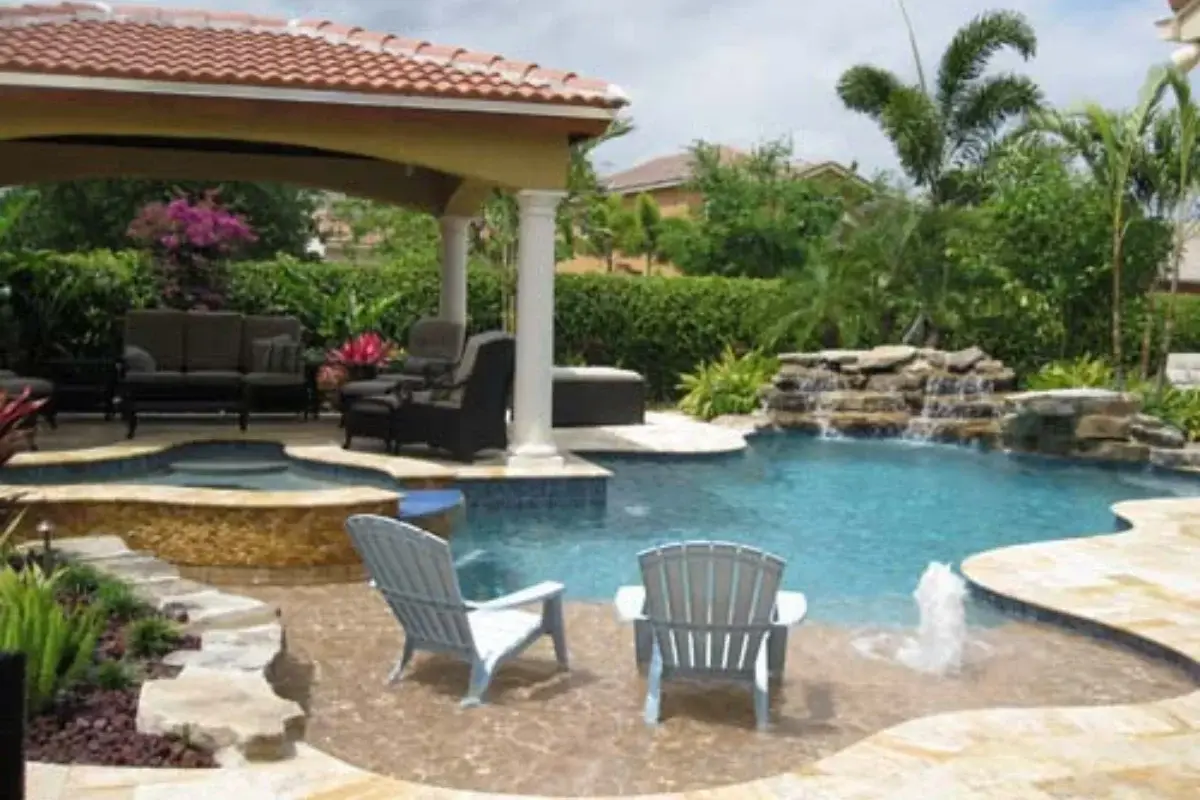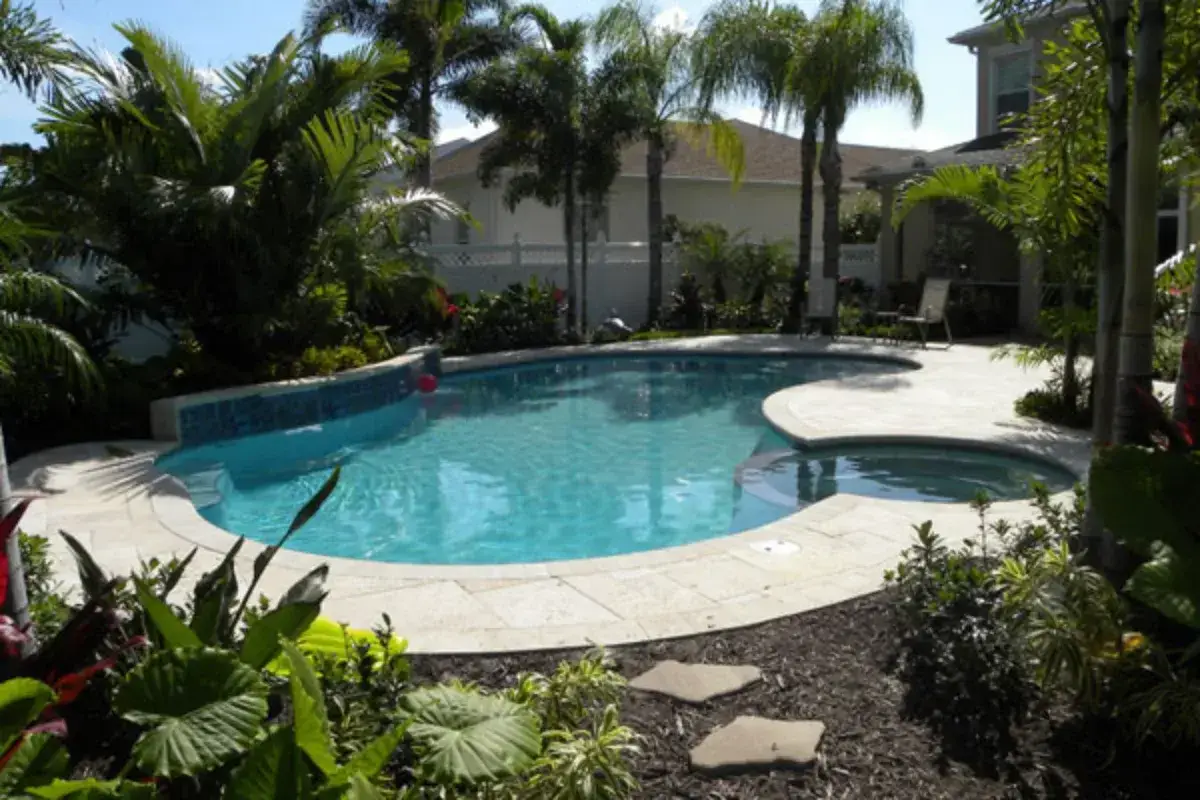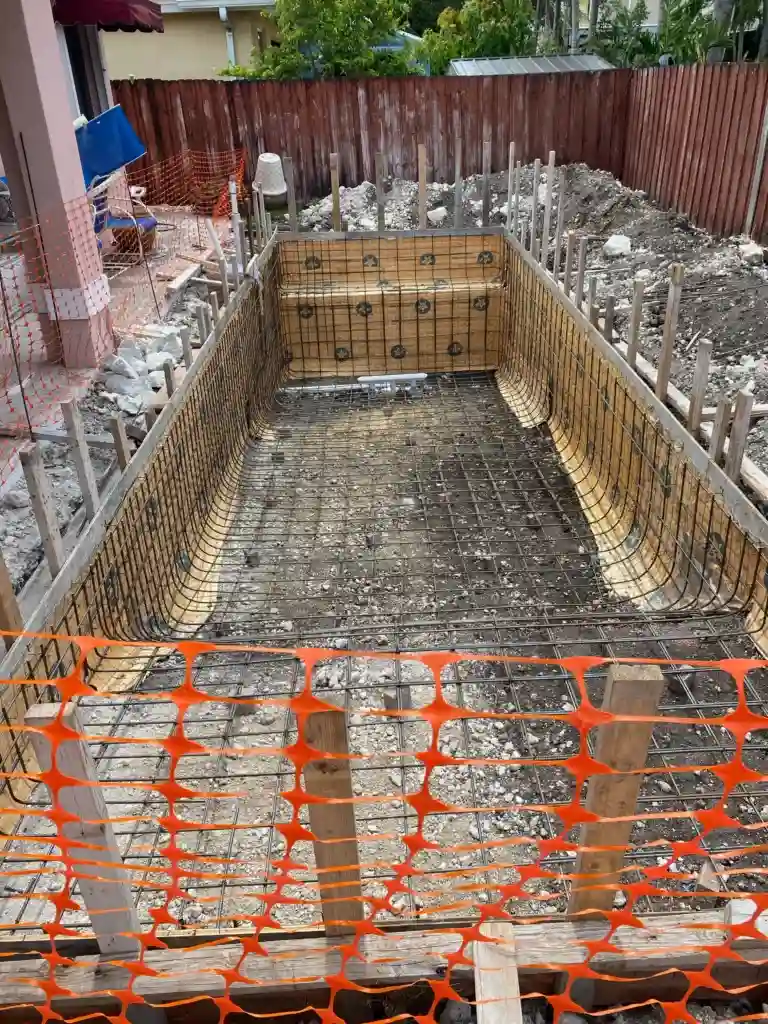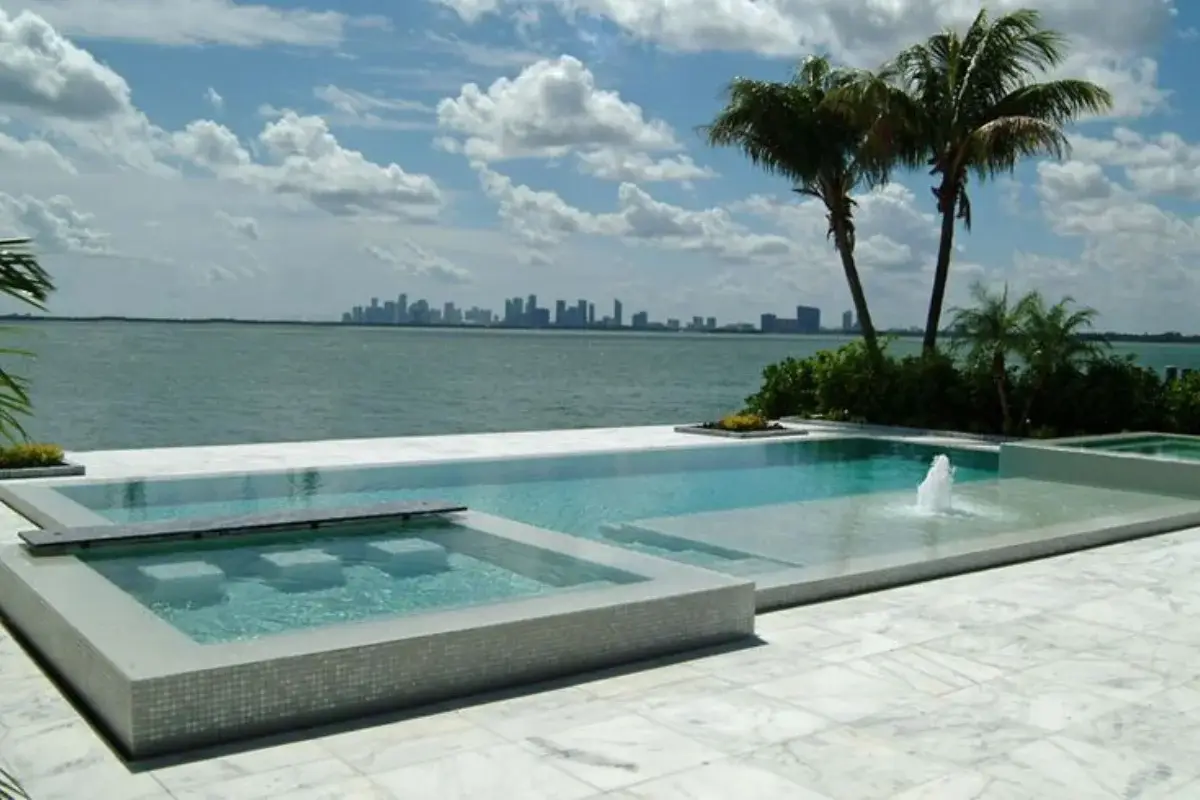

A backyard that has to work for a seven year old, a set of grandparents, and twenty guests on the Fourth of July is a harder design problem than a backyard built for one of those things. Most outdoor spaces are designed for the photograph, which is a couple with a glass of wine at sunset. Real households are messier than that, and the yards that get used every day are the ones designed for the mess.
After more than 20 years building complete outdoor living spaces across Georgia and Gwinnett County, our family owned team has learned that the difference is rarely budget. It is whether anyone asked who would actually be out there.
Start by Naming Who Uses the Yard
Before we draw anything, we ask clients to describe a typical Saturday and their biggest day of the year. The answers change the design more than any style preference:
- Young children. Sightlines and safety barriers become the organizing constraint, and surfaces need to be forgiving underfoot.
- Teenagers. They want somewhere that feels separate from the adults, which usually means a second seating zone rather than a bigger one.
- Older relatives. Level transitions, handrails where there are steps, seating with arms and backs, and shade that does not require walking far to reach.
- Pets. Durable turf or planted zones, and a fence line that actually holds.
- Large gatherings a few times a year. Overflow capacity and a circulation route that does not funnel everyone past the cook.
Most families are three or four of these at once, and the good news is that designing for the hardest case usually improves the space for everyone.
Sightlines: The Design Decision Parents Care About Most
If children will use the yard, the single most valuable thing a design can give you is the ability to see them from where you will be standing. That means placing the play area, the lawn, and the water within an unbroken line of sight from the outdoor kitchen and the main seating zone, rather than around a corner or behind a planting bed.
It sounds obvious and it is routinely missed, usually because the kitchen gets sited for utility convenience and the play space gets whatever is left over. We plan them together. A parent who can watch the pool while turning burgers uses the yard on ordinary weekday evenings. A parent who cannot will use it on weekends only.
Pool Safety Is Part of the Design, Not an Afterthought
If your retreat includes water, safety belongs in the first conversation rather than the last. Georgia requires barriers around residential pools, and beyond the legal requirement there are real design choices that affect how the yard looks and feels.
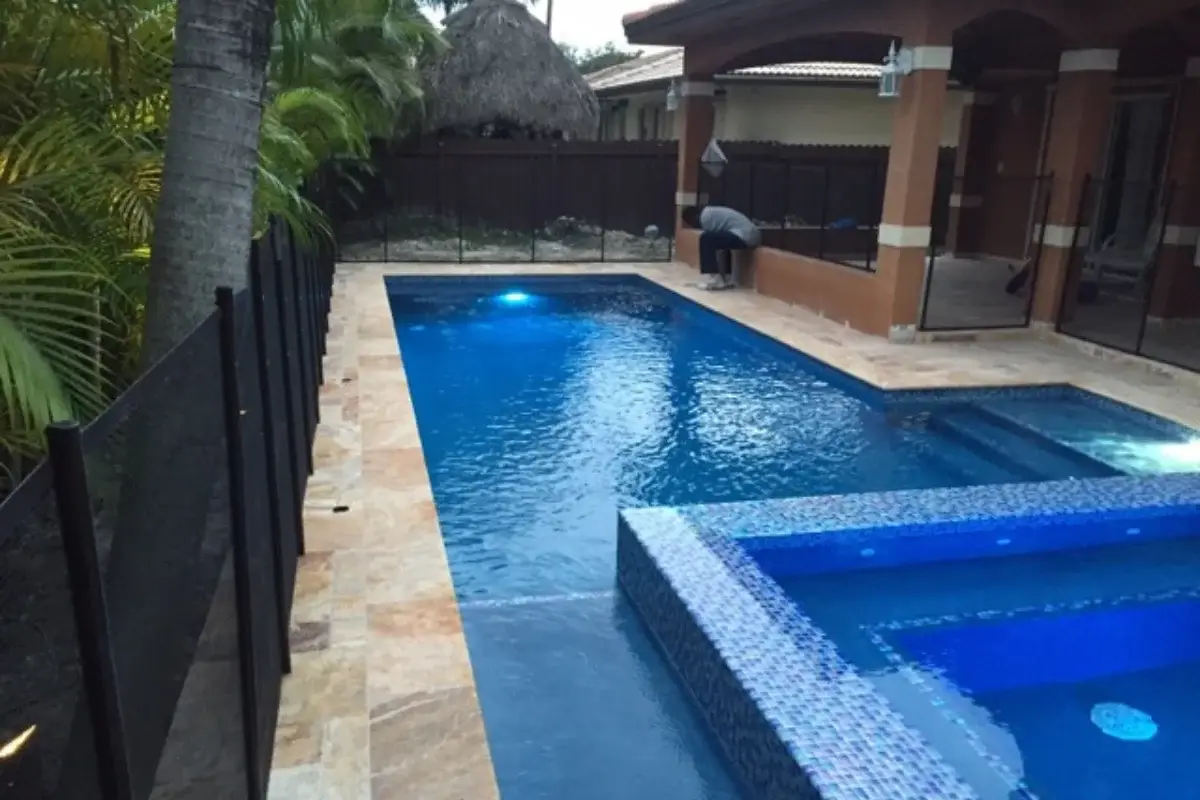
Modern pool fencing and safety options are far less intrusive than the chain link most people picture. Removable mesh fencing can be taken down when children are grown. Frameless glass panels preserve the view almost entirely and suit contemporary designs. Self-closing, self-latching gates with the latch at the correct height are non-negotiable regardless of the fence type, and alarms on doors leading to the pool area add a second layer. Where a fence line would spoil a sightline, a level change or a seat-height retaining wall can define the boundary while keeping the space open. We design these in from the beginning on every new pool construction project, because retrofitting a barrier into a finished landscape is always the more expensive and less attractive option.
|
Zones That Flex Between Six People and Twenty-Six
The trick to a yard that handles both scales is designing zones that borrow from each other. A dining area sized for eight, next to a lounge zone, next to an open lawn, becomes one continuous space when the furniture moves. Practical moves we use often:
- Built-in seating on the perimeter. A seat-height wall adds capacity for six to eight without a single chair to store, and it reads as landscape rather than furniture the rest of the year.
- Keep one flexible surface. An open paver patio area or a stretch of lawn that holds a folding table at Thanksgiving and stays empty otherwise is worth more than another permanent feature.
- Plan the circulation for the crowd, not the couple. Main routes and walkways and pathways should be wide enough for two people to pass carrying dishes, which usually means four feet on the primary path.
- Give teenagers and adults separate anchors. A fire pit at the far end of the yard does more for household harmony than any amount of additional seating near the house.
Comfort for the People Who Feel the Weather Most
Children and older guests are the first to leave an uncomfortable yard, so shade is a usability decision rather than a luxury. A pergola over the dining zone covers the hottest part of a Georgia afternoon, and a roofed pavilion keeps a gathering going through a summer thunderstorm instead of ending it. Ceiling fans under a solid roof make August genuinely tolerable.
Surfaces matter for the same reason. Light-colored pool decking stays dramatically cooler underfoot than dark stone, which children notice immediately in July, and textured finishes give grip when wet. Where there are steps, keep risers consistent and lighting on them, because uneven treads in low light are how older guests come to grief.
Evening Use and Extending the Season
Layered lighting is what lets a family yard work after dinner: task light where food is handled, low ambient light at seating, and dedicated light on every step and path. Coordinated pool lighting means the water reads as part of the space after dark rather than a hazard beyond it, which matters when children are around.
For the shoulder seasons, a fire feature or a hot tub pulls people outdoors from October through April, which is most of the Georgia year. If you are sizing a dining zone within all this, our guide on sizing a dining area for a crowd has the specific dimensions, and planning the yard as one space covers how the zones relate.
You can see backyards we have built for families across the area, hear from families who use theirs daily, check the neighborhoods we serve, and review financing the whole project if you would rather build the complete design at once.
Frequently Asked Questions
How do I design a backyard that works for both children and adults?
Start with sightlines. Place the play area and any water within clear view of the kitchen and main seating, then separate the zones with landscape or a level change rather than walls. Add a second gathering anchor, such as a fire pit at the far end, so different groups can spread out without leaving the yard.
Is a pool fence required in Georgia?
Residential pools require a barrier, and local jurisdictions set the specifics on height, gate hardware, and latching. We handle the code requirements as part of design and permitting. Beyond compliance, options like removable mesh and frameless glass let you meet the requirement without compromising the look of the yard.
What surfaces are best for a family backyard?
Light-colored, textured pavers or concrete around water, because they stay cooler underfoot and give grip when wet. Keep level changes consistent and well lit. Lawn or planted areas are worth preserving for children and pets, so we rarely recommend hardscaping a yard end to end.
How do I make a backyard work for large gatherings a few times a year?
Build in perimeter seating, keep one flexible open surface that can take extra tables, and size the main circulation route for two people to pass comfortably. Designing for the biggest day costs far less when it is planned from the start than when it is retrofitted.
Design a Yard Around the People Who Will Use It
You dream it, we build it. Aqualis Pools is a family owned, licensed and insured builder with more than 20 years of experience, a 15 year structural warranty, and projects across Georgia and the surrounding Georgia communities. Call +1 (770) 373-8405 or tell us who uses your yard, and we will design a retreat that fits your household rather than a photograph. The design and quote are free.