There is a category of pool problem that resurfacing does not fix. The pool is sound, the finish could be renewed, and it still is not the pool you want, because the shape, the depth, or the layout belongs to whoever built it thirty years ago rather than to how your family actually uses water.
That is what structural remodeling addresses, and it is the least understood part of what we do. After more than 20 years of pool remodeling across Georgia and Gwinnett County, our family owned team has reshaped, deepened, shallowed, and extended a good number of pools. Here is what is actually possible, what each change involves, and what makes one idea straightforward and another impractical.
Tanning Ledges, Sun Shelves, and Baja Shelves
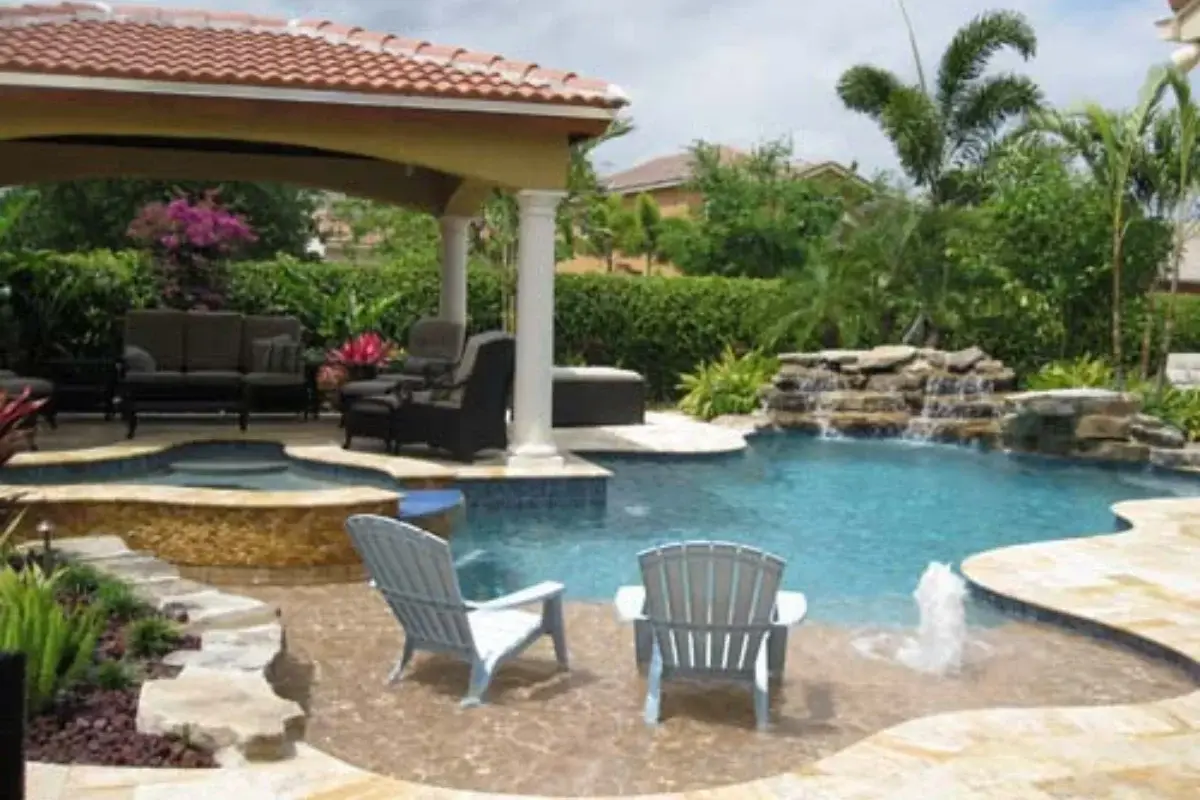
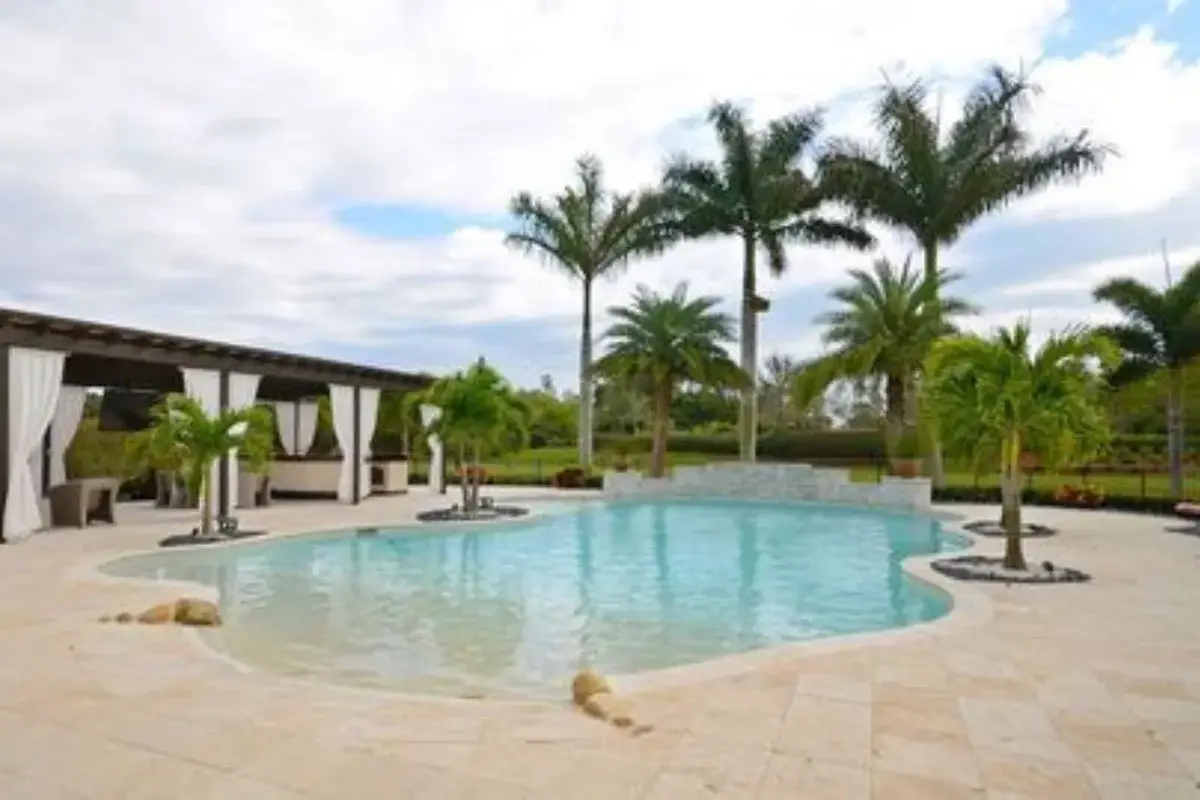
These are three names for the same thing, and which one you use mostly depends on where you grew up. A tanning ledge, also called a sun shelf or a baja shelf, is a shallow platform inside the pool, typically several inches to about a foot deep, wide enough for a lounger or for small children to sit and play.
It is the most requested structural addition we get, and for good reason. It gives small children somewhere safe and supervised, it gives adults somewhere to sit in the water without swimming, and it extends the usable season because a few inches of water warms far faster than the main pool. Practically, it is formed as new concrete inside the existing shell at the shallow end, tied into the structure, and then the whole interior is refinished so the ledge and the pool match.
The main constraint is the shallow end itself. Take too much of it and the remaining swim area stops working, so on smaller pools we look carefully at what is left before recommending it. Pairing a ledge with a bubbler or a small water feature is popular and much cheaper to plumb while the work is happening than afterward, and the same applies to any other pool features and add-ons.
Adding a Spa to an Existing Pool
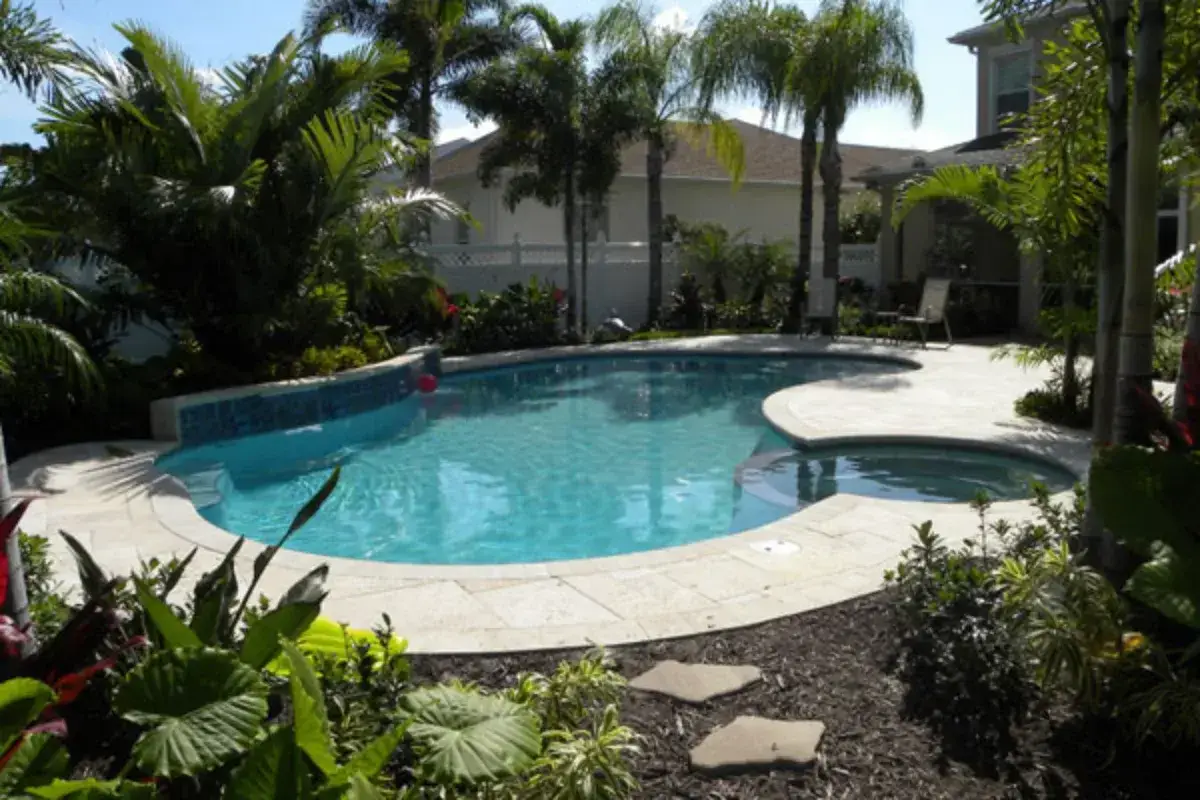
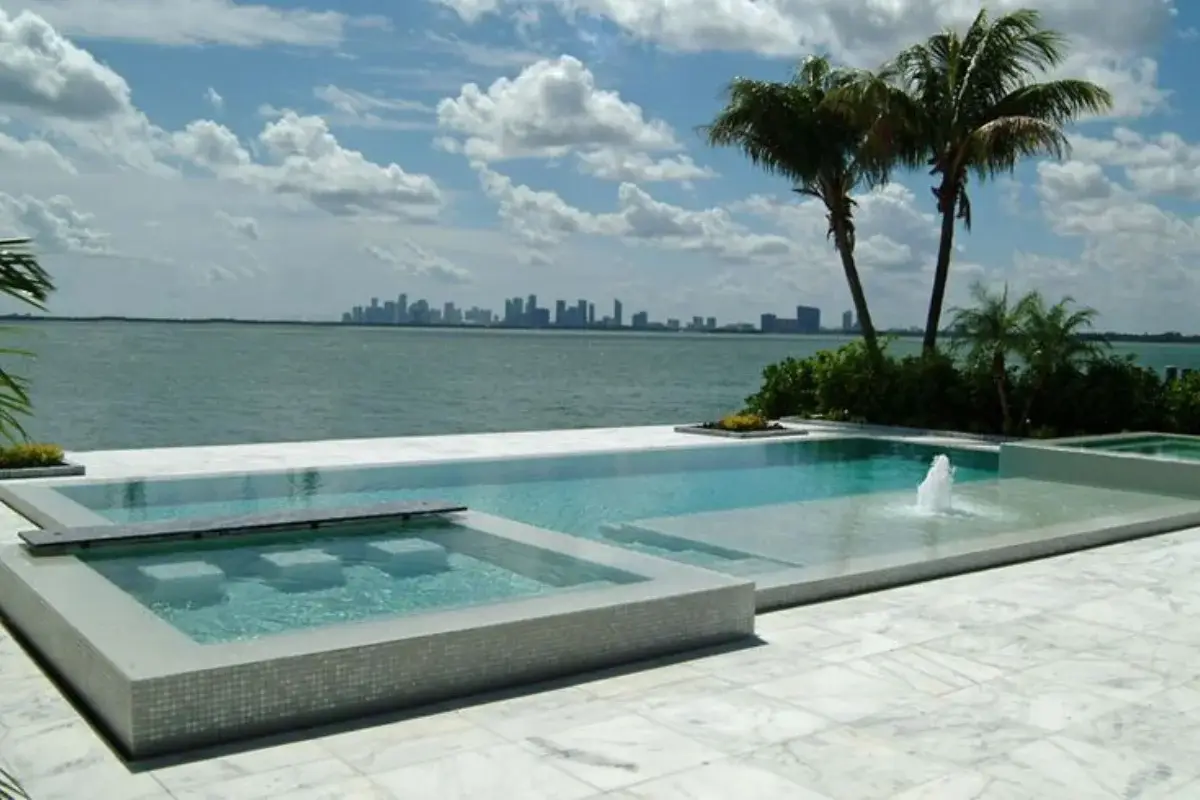
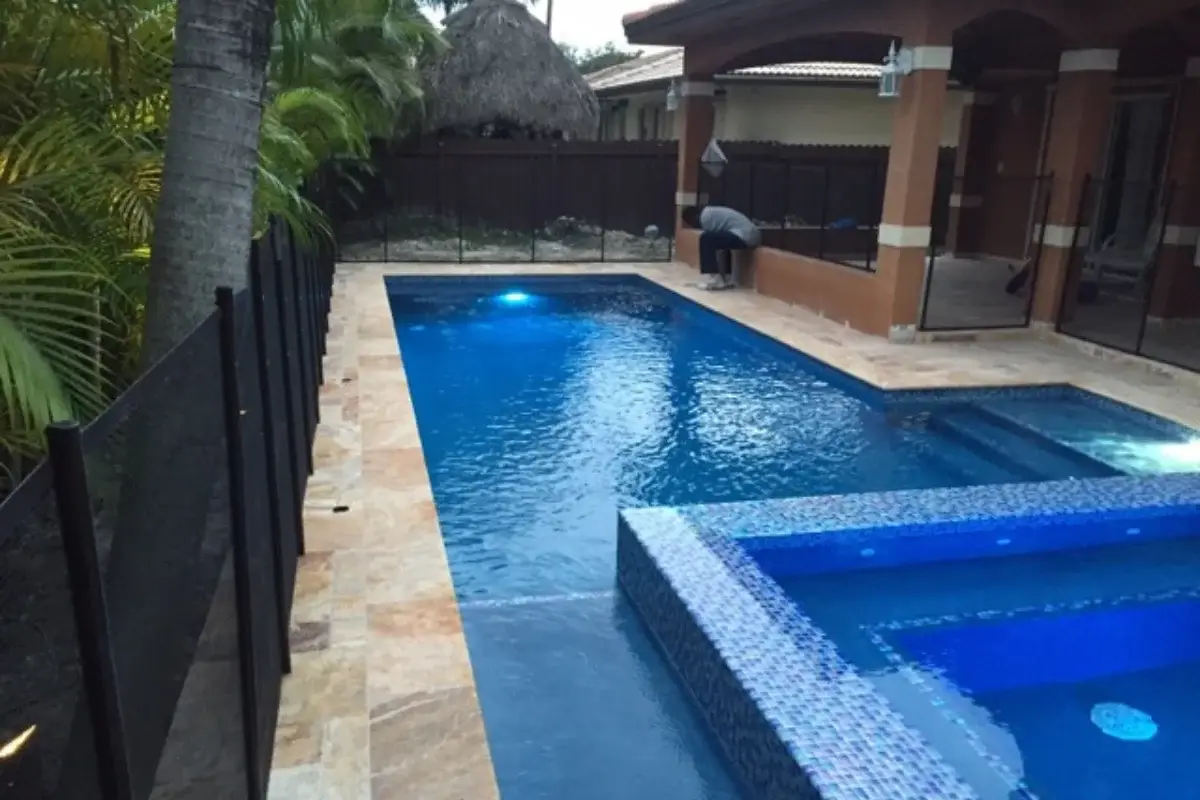
Adding an attached spa is one of the highest-value changes available during a remodel, because sharing the pool’s plumbing and equipment makes it dramatically cheaper than a standalone installation. A spillover spa that overflows into the pool also adds sound and movement, which changes how the whole backyard feels, and it extends use into genuine winter.
What it needs: deck space adjacent to the pool, equipment pad capacity for the additional heating and circulation load, and access for concrete. Where the site does not allow an attached spa, freestanding hot tubs achieve much of the same result with far less construction. We would rather talk through both options than assume the built-in version is always right.
Reshaping, Deepening, and Making a Pool Shallower
A large share of the pools we remodel around here date from the 1980s and 1990s, and many of them have something in common: a deep end of eight or nine feet built for a diving board that has long since been removed. It is a lot of water to heat and treat for a section of pool that nobody uses.
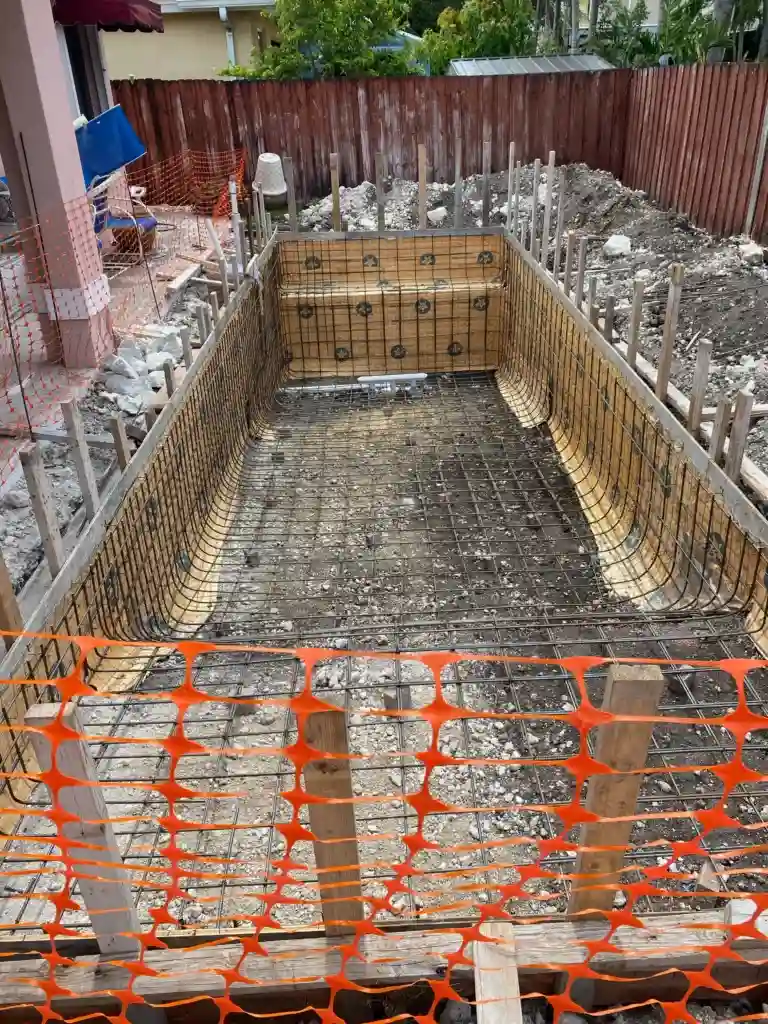
Making a deep end shallower is one of the most common structural requests we get locally. It is done with structural fill and a new concrete floor, followed by a full interior refinish. Families usually convert to a depth where adults can stand throughout, which changes the pool from something children need supervising in to something everyone uses together. Reshaping the outline or extending the pool is also possible, involving cutting the existing shell, new steel and concrete, and re-plumbing, but it is the largest and most expensive category and access for machinery is frequently the limiting factor rather than the concrete work itself.
| Have an idea and no idea whether it is possible? Describe it to us and we will tell you honestly whether it is straightforward, expensive, or genuinely impractical on your site. Call Aqualis Pools at +1 (770) 373-8405 or ask whether your idea is feasible. The assessment and quote are free. |
What Each Structural Change Involves
| Change | What it involves | How feasible, typically |
|---|---|---|
| Adding a tanning ledge, sun shelf, or baja shelf | New concrete formed inside the existing shell in the shallow end, tied into the structure, then the whole interior refinished | Usually very achievable. Shallow end must be large enough that the remaining swim area still works |
| Adding an attached spa | New shell built adjacent, plumbing and equipment shared with the pool, deck opened for lines | Achievable on most sites. Needs deck space, equipment pad capacity, and access for concrete |
| Making a deep end shallower | Structural fill and new concrete floor, then full refinish | Common on 1980s and 1990s diving pools. One of the most requested changes we see locally |
| Changing the pool outline or adding a section | Cutting the existing shell, new steel and concrete, re-plumbing, full refinish | Possible but the largest and most expensive option. Site access for machinery is often the limiting factor |
| Adding or relocating steps and benches | New concrete formed inside the shell, refinish | Straightforward during a renovation, disproportionately expensive as a standalone job |
| Adding water or fire features | Plumbing or gas runs under the deck, structural support for the feature | Best done while the deck is already open. Retrofitting later means cutting hardscape |
| Converting to a smaller pool footprint | Partial fill and new shell walls | Technically possible, rarely economic. Usually better addressed another way |
Every one of these ends with refinishing the interior, which is why structural work is always done as part of a renovation rather than on its own. If you are already planning pool resurfacing, it is the cheapest moment you will ever have to change the shape of the pool.
Steps, Benches, and the Small Changes That Get Used Most
Not every structural improvement is dramatic. Adding a bench along one wall, widening steps that were built too narrow, or relocating an entry that is in an awkward corner are modest pieces of concrete work with a disproportionate effect on how a pool feels to use. Older pools frequently have steep, narrow steps that are awkward for older family members, and correcting that is straightforward while the pool is drained and expensive as a standalone job.
The same logic applies to safety at the edge. If pool fencing and safety or barrier compliance has been on your list, a remodel is the natural moment, and modern mesh and glass options are considerably less intrusive than older fencing.
Sequencing: Why This All Happens Together
Structural work, finishes, and everything around the pool are interdependent, so the order matters and doing them together saves real money.
- Structural changes first. Concrete work has to precede the finish, because the interior is refinished afterward as one continuous surface.
- Plumbing and gas while the deck is open. Water features, fire features, and spa lines all run under hardscape. Retrofitting later means cutting it.
- Tile, coping, and interior finish. Then pool tile and coping and the interior go on together.
- Deck last. New pool decking or pool deck resurfacing finishes the job, along with pool lighting.
Equipment is the exception, since the pad can be worked on independently, though it is still cheaper done alongside everything else. For what upgrading it actually saves, what the equipment side actually saves has the sourced figures, and pool equipment upgrades covers the service.
When a Remodel Is Not the Right Answer
Occasionally the honest advice is that structural remodeling does not make sense. If the shell has significant structural problems rather than surface wear, if the pool is badly sited for how you want to use the yard, or if what you actually want is a different pool in a different place, then extensive remodeling can approach the cost of new pool construction without delivering the pool you wanted. We will say so when that is the case.
If you are not sure where your pool stands to begin with, how to tell whether your pool is due is the diagnostic guide, and what a full renovation covers sets out scope and finishes. You can see structural remodels we have completed, hear from clients we have reshaped pools for, check the areas we serve, and review financing a structural remodel.
Frequently Asked Questions
What is a tanning ledge, and is it the same as a baja shelf?
Yes. Tanning ledge, sun shelf, and baja shelf are three names for the same feature: a shallow platform inside the pool, usually a few inches to about a foot deep, wide enough for a lounger or for small children to play on. Which term people use is largely regional. It is formed as new concrete inside the existing shell and the interior is refinished afterward.
Can I add a spa to my existing pool?
Usually, yes. An attached spa shares the pool’s plumbing and equipment, which makes it considerably cheaper than a standalone build. You need deck space next to the pool, equipment pad capacity for the extra heating and circulation load, and access for concrete. Where the site will not allow it, a freestanding hot tub achieves much of the same result with far less construction.
Can an old deep end be made shallower?
Yes, and it is one of the most common requests we get on 1980s and 1990s pools built for diving boards. It is done with structural fill and a new concrete floor, then a full interior refinish. Most families convert to a depth where adults can stand throughout, which makes the pool usable for everyone at once rather than something children need close supervision in.
Can the shape of a pool be changed?
It can, by cutting the existing shell and adding new steel and concrete, but it is the largest and most expensive structural option and usually requires re-plumbing plus a full refinish. Access for machinery is often the real constraint rather than the concrete work. If the change you want is extensive, it is worth comparing the cost against a new pool before committing.
Tell Us What You Would Change
You dream it, we build it. Aqualis Pools is a family owned, licensed and insured builder with more than 20 years of experience, backed by a 15 year structural warranty, 15 years on plaster, and 3 years on equipment, serving Georgia and the surrounding Georgia communities. If there is something about your pool that resurfacing will not fix, describe it to us and we will tell you what it would take. Call +1 (770) 373-8405 or tell us what you want to change. The design and quote are free.