If you have ever started researching inground pool installation, you probably noticed that timelines vary wildly depending on who you ask. Some contractors say eight weeks. Others mention six months. The honest answer sits somewhere in the middle, and understanding how long to construct a pool really comes down to knowing which factors influence each phase of the project. For Georgia homeowners specifically, the local climate, permit requirements, and soil conditions all play a role. This guide breaks down the full construction process so you can set realistic expectations before a single shovel hits the ground.
The Planning and Design Phase: Where the Timeline Actually Starts
Most homeowners count the construction timeline from the day excavation begins. That is a mistake. The real timeline starts the moment you begin working with a designer, because the design and permitting process can add four to eight weeks before any physical work occurs. During this phase, your pool builder will assess your yard, discuss your vision, and produce detailed construction drawings. The more features you want, such as waterfalls, tanning ledges, or integrated spa systems, the more detailed those plans need to be before the permit application can go in.
Georgia counties vary significantly in how quickly they issue permits. Some suburban Atlanta counties process applications in two to three weeks. Others take four to six weeks, especially if your lot has setback requirements or HOA overlay restrictions that require additional review. Choosing the right pool design for your lifestyle early in the process helps prevent costly revisions that can extend this phase further.
Excavation and Steel: The Foundation of Every Custom Pool
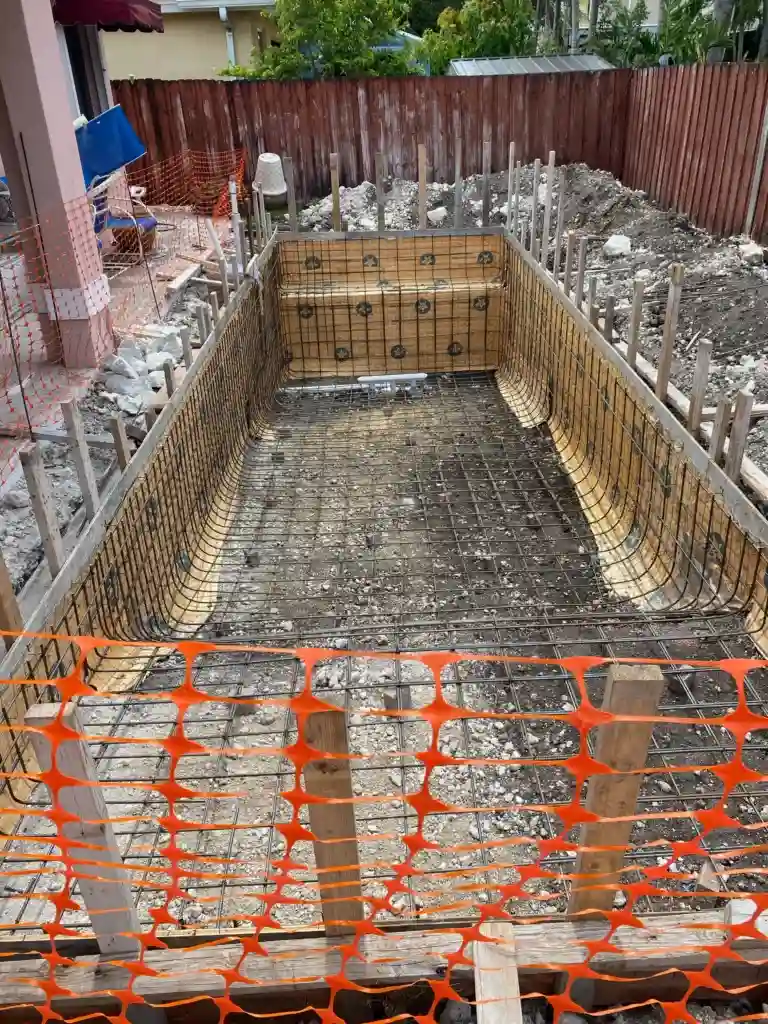
Once permits are in hand, excavation is typically the first visible milestone. For a standard inground pool in Georgia, excavation usually takes one to three days depending on pool size, shape, and accessibility. Freeform designs with organic curves take slightly longer to excavate precisely than simple rectangular pools. After the hole is dug, crews install the steel rebar framework that gives a gunite or shotcrete pool its structural integrity. Steel installation generally takes two to four days for a mid-sized project.
Georgia soil can present some surprises at this stage. Clay-heavy soil, which is common in many parts of the state, drains slowly and can create complications if heavy rain falls during open excavation. Rock ledges, which appear more frequently in north Georgia properties, may require additional equipment and add several days to the schedule. Experienced builders account for these variables upfront and build buffer time into their project timelines.
Plumbing, Electrical, and Gunite: The Three Parallel Milestones
After steel is inspected and approved, the project moves into one of its most intensive phases. Rough plumbing lines are installed to connect the pool shell to the equipment pad. Electrical conduit is run for lighting, pumps, and any automation systems. Then comes gunite or shotcrete application, where a pneumatically applied concrete mixture is shot over the steel framework to form the actual shell of the pool. This entire sequence typically takes one to two weeks, though each step requires a separate inspection before the next can begin.
Why Inspections Add Time (and Why That Is a Good Thing)
Many homeowners get frustrated when they see work pause for inspections. The inspections themselves usually take less than a day, but scheduling them through the county can mean waiting two to four business days for an inspector to arrive. That waiting time is built into nearly every phase of construction. Rather than viewing it as a delay, think of each passed inspection as a documented layer of protection for your investment. According to the National Association of Home Builders, proper permitting and inspection processes are among the most important consumer protections available for major home improvement projects.
Equipment Installation and Plumbing Completion
After the shell cures, which takes approximately one week for gunite to reach adequate strength, crews return to complete plumbing connections at the equipment pad. Pumps, filters, heaters, and automation systems are installed and wired. Pool equipment upgrades like variable-speed pumps and smart automation controllers add a small amount of installation time but deliver significant long-term value in energy savings and operational convenience.
Coping, Tile, and Decking: The Finish Work Phase
This is the phase where your pool starts to look like the finished product you imagined. Coping is installed around the pool edge, decorative tile is applied to the waterline band and any feature walls, and the surrounding pool deck is formed and poured or paved. For a standard project with a simple concrete deck, this phase takes approximately one to two weeks. If you are adding pavers, custom stone work, or an extensive outdoor living area, plan for additional time.
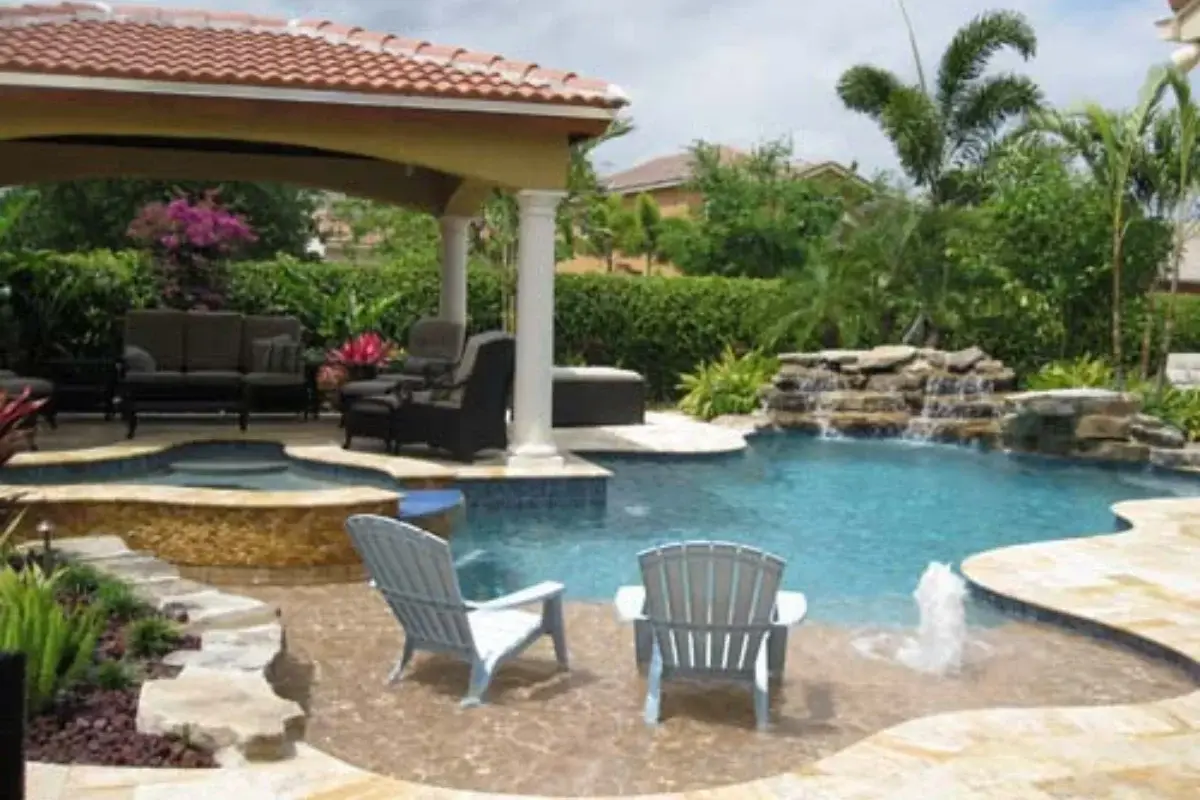
Georgia homeowners increasingly treat the pool area as an extension of the home, adding features like outdoor kitchens, pergolas, and fire pits alongside the pool build. Coordinating those elements within the same construction window can actually save overall time compared to doing them as separate projects later. The scope of your outdoor living vision has a direct impact on how long the full project takes from start to finish.
Plastering, Filling, and Startup: The Final Stretch
The last major construction milestone is the interior finish, most commonly plaster, pebble aggregate, or quartz-based surfaces. Plastering typically takes one day for most residential pools, but the pool cannot be left empty after application. Water must begin filling within hours of plaster completion to prevent surface damage. Filling a standard inground pool takes 24 to 48 hours using a standard garden hose connection, or faster with a water delivery service.
Once filled, a startup chemical process called the startup sequence or plaster curing period runs for 28 days. During this period, the water chemistry is carefully monitored and adjusted daily. Your pool is technically usable after the first few days once chemicals are balanced, but the full 28-day startup period is important for the long-term durability of the interior surface. Many builders also conduct a final walkthrough with homeowners during this period to demonstrate how to operate all equipment, run automation systems, and maintain proper water chemistry.
Full Timeline Summary: What a Typical Georgia Pool Build Looks Like
When you add up every phase, a standard inground pool project in Georgia takes between 10 and 16 weeks from the start of design through the final startup. More complex projects with extensive custom features, challenging soil conditions, or large outdoor living components can extend to 20 to 24 weeks. The table below summarizes typical timeframes by phase.
| Construction Phase | Typical Duration | Key Variables |
|---|---|---|
| Design and Permitting | 4 to 8 weeks | County processing times, design complexity |
| Excavation and Steel | 1 to 2 weeks | Pool size, soil conditions, accessibility |
| Plumbing, Electrical, and Gunite | 1 to 2 weeks | Inspection scheduling, feature count |
| Equipment Installation | 3 to 5 days | Equipment complexity, automation systems |
| Coping, Tile, and Decking | 1 to 3 weeks | Material selection, deck size and design |
| Plaster and Startup | 1 to 4 weeks | Surface type, chemical startup process |
Weather is the wildcard that every builder deals with but no one can fully control. Georgia summers bring afternoon thunderstorms that can pause concrete and plaster work without warning. Scheduling your project to begin in late winter or early spring gives you the best chance of completing construction before peak summer heat and avoiding the late-summer storm season that runs from July through September. Consumer Reports consistently advises homeowners to build weather contingency time into any major outdoor construction project for exactly this reason.
Frequently Asked Questions
How long does it take to construct a pool from start to finish in Georgia?
Most standard inground pool projects in Georgia take 10 to 16 weeks from the start of the design phase through the final startup. Projects with extensive custom features or large outdoor living additions may take 20 to 24 weeks.
What time of year is best to start a pool build in Georgia?
Late winter and early spring are generally the best times to begin. Starting in February or March allows the design and permitting phase to wrap up before the busy construction season, and excavation can begin before the intense summer heat and afternoon storm patterns arrive.
Can weather delays significantly extend my pool timeline?
Yes. Heavy rain can pause excavation and concrete work. Extended cold snaps can slow curing times for gunite and plaster. Reputable builders build buffer time into their schedules, but homeowners should also expect the possibility of a one to two week delay due to weather in an average year.
Does adding a spa or water features add a lot of time to construction?
Adding an attached spa or simple water features like scuppers and deck jets typically adds one to two weeks across the plumbing, tiling, and startup phases. More elaborate features like grotto systems, waterfalls, or multiple therapy jets can add two to four weeks depending on complexity.
How do I avoid timeline delays with my pool contractor?
The biggest delay drivers are late material selections, permit issues caused by incomplete applications, and scope changes made after construction begins. Making all design decisions before the permit application goes in, and sticking to those decisions throughout construction, is the most effective way to keep a project on schedule.
Understanding how long to construct a pool is really about understanding each phase and what can push it forward or pull it back. The best way to get an accurate timeline for your specific yard, design, and county is to sit down with an experienced local builder who can evaluate all those factors together. Aqualis Pools has been designing and building custom pools and spas across Georgia for over 15 years, and the team brings that experience directly to your project planning. If you are ready to move from curiosity to a real plan, reach out to schedule a consultation and get a clear, honest picture of what your project timeline and investment will actually look like.