It sounds like something out of a disaster movie, but it happens more often than most homeowners realize. Can a concrete pool pop out of the ground? The short answer is yes, and when it does, the damage is severe, expensive, and almost always preventable. Whether you are planning a new build, considering a drain for winter cleaning, or simply curious after hearing a neighbor’s horror story, understanding the forces behind pool flotation could save you tens of thousands of dollars. This guide breaks down exactly what causes it, which conditions make Georgia properties especially vulnerable, and what steps protect your investment for the long term.
What Actually Causes a Pool to Pop Out of the Ground?
The phenomenon has a formal name: hydrostatic uplift. When the water table beneath your property rises high enough, it exerts upward pressure on the shell of your pool. If the weight of the water inside the pool is not enough to counteract that pressure, the entire shell can be pushed upward, sometimes just a few inches, sometimes completely out of the excavated hole. A concrete pool shell weighs tens of thousands of pounds on its own, yet hydrostatic pressure can generate enough force to overcome that mass entirely.
Think of it like a plastic bottle placed in a bucket of water. Seal the bottle when it is empty, submerge it, and the water pressure pushes it right back up. A pool shell works the same way. When the pool is full of water, its weight anchors it in place. The danger arrives the moment that water is removed. Heavy rainfall, a broken irrigation line, or a rising water table during a drain cycle creates exactly the conditions needed for uplift to occur.
Georgia Soil and Water Table Conditions That Increase Your Risk
Not every region faces this problem equally. Georgia presents a specific combination of factors that pool owners should take seriously. Much of the state sits on clay-heavy soil, which retains water rather than allowing it to drain freely. After periods of heavy rainfall, that clay absorbs moisture and holds it close to the surface, elevating the local water table for days or even weeks after the rain stops.
Coastal and low-lying areas in Georgia face even more pronounced risk. Communities near Savannah, the Golden Isles, and low-elevation suburban neighborhoods around Atlanta frequently experience high water tables as a baseline condition. Even in the Atlanta metro area, poorly drained lots can trap groundwater at surprisingly shallow depths. Understanding your local service area conditions before breaking ground is one of the most important conversations you can have with your pool contractor.
According to the National Association of Home Builders, soil assessment and site drainage planning are foundational steps in any below-grade construction project, yet they are frequently underestimated by homeowners focused on aesthetics and budget.
The Biggest Mistake That Leads to Pool Flotation
The single most common trigger for a concrete pool popping out of the ground is draining the pool at the wrong time or without taking proper precautions. Homeowners drain their pools for resurfacing, repairs, plaster work, and winter preparation. The draining itself is not the problem. The problem is draining during or immediately after significant rainfall without first checking groundwater depth.
When Pool Draining Becomes Dangerous
A pool should never be fully drained during or after extended rainy periods unless you have confirmed that the water table is well below the floor of the shell. If you are unsure, a qualified contractor can insert a piezometer, which is a simple device that measures groundwater depth at your specific site, before work begins. Some contractors use hydrostatic relief valves built into the pool floor that automatically release groundwater pressure when the pool is empty. If your pool does not have one of these valves, ask about having one installed during your next pool resurfacing project.
Other Contributing Factors
- Broken or leaking underground irrigation systems that saturate the soil around the pool shell
- Grading changes on the property that redirect surface water toward the pool area
- Drought followed by sudden heavy rain, which causes rapid water table elevation before the ground can compensate
- Nearby construction that alters the natural drainage patterns of the land
How Builders Design Concrete Pools to Resist Flotation
A well-designed concrete pool is not helpless against hydrostatic pressure. Experienced builders incorporate several engineering strategies from the start that significantly reduce the risk of uplift. Understanding these measures helps you ask the right questions when evaluating pool contractors and proposals.
Hydrostatic Relief Valves
These small but critical valves are installed through the floor of the pool shell, typically in the main drain area. When the pool is empty and groundwater pressure builds, the valve opens automatically to allow water to seep into the pool rather than pushing the shell upward. It is a controlled release mechanism that trades a manageable water intrusion for a catastrophic structural failure. Most reputable builders include at least one valve in new construction, but older pools may not have them.
Proper Drainage Systems Around the Shell
French drains, perforated pipe systems, and engineered backfill around the pool shell help channel groundwater away before it can accumulate to dangerous levels. The type and depth of the drainage system depends on the local water table, soil permeability, and the depth of the pool itself. Reviewing the hardscaping and drainage plan around your pool is just as important as the pool design itself.
Structural Shell Thickness and Reinforcement
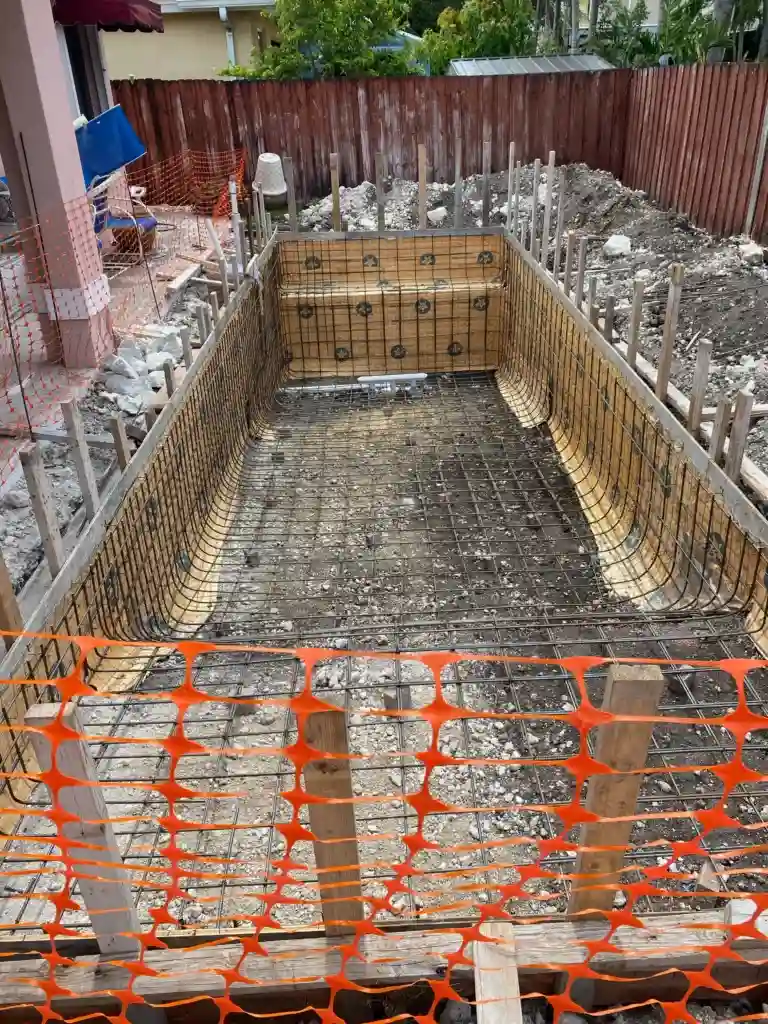
Concrete pools built with gunite or shotcrete can be engineered with additional shell thickness and denser rebar grids in high-risk areas. While no concrete shell is immune to extreme hydrostatic pressure, a properly reinforced shell combined with relief valves and drainage infrastructure provides multiple layers of protection.
What Happens If a Pool Does Pop Out?
The damage is almost always extensive. The shell itself may crack significantly as it shifts. The surrounding decking typically heaves and fractures. Plumbing connections to the pool break at the penetration points, causing underground leaks. The interior finish, whether plaster, pebble, or tile, suffers serious cracking. In severe cases, the pool shell rises several feet out of the ground, making the structure a complete loss.
Repair costs for a floated pool regularly exceed $20,000 and can approach the cost of full replacement depending on the severity of the damage. Homeowners insurance coverage for this type of event varies significantly, and many policies exclude damage caused by hydrostatic pressure. Reviewing your policy before you drain your pool is a reasonable precaution that most homeowners skip entirely.
According to Consumer Reports, large-scale home improvement failures that stem from deferred maintenance or improper procedures are among the most expensive and stressful situations homeowners face, often because the warning signs existed long before the incident occurred.
Protecting Your Pool Investment From Day One
The best protection against a concrete pool popping out of the ground starts before the first shovel of dirt is moved. Site evaluation, proper engineering, and working with a contractor who understands local soil and groundwater conditions is not optional. It is the foundation of every pool build that lasts.
When choosing the right pool design for your property, factors like lot grading, proximity to underground water sources, and natural drainage patterns should shape the excavation depth, shell reinforcement, and drainage infrastructure as much as the visual design itself. Homeowners who treat the structural planning as secondary to aesthetics are the ones who call years later with expensive problems.
Ongoing maintenance also plays a role. Checking your hydrostatic relief valve annually, monitoring the condition of your pool deck for signs of shifting, and always consulting a professional before draining your pool are habits that protect a significant financial investment. Pool equipment upgrades that improve circulation and water management also help maintain the conditions that keep hydrostatic pressure in check during normal operation.
Frequently Asked Questions
Can a concrete pool pop out of the ground if it is always full of water?
It is extremely unlikely when the pool is full. The weight of the water provides the primary counterforce against hydrostatic uplift. The risk becomes real when the pool is partially or fully drained, especially during periods of high groundwater levels.
How do I know if my property has a high water table?
Signs include standing water in the yard after rainfall that persists for more than 24 to 48 hours, wet basement conditions, and visible moisture in shallow excavations. A geotechnical assessment or a simple percolation test performed by a contractor gives you a reliable answer before any excavation begins.
Does my existing concrete pool have a hydrostatic relief valve?
If your pool was built before the mid-1990s or by a builder who cut costs, it may not. Check the main drain area at the deepest part of the pool. If you are unsure, have a pool professional inspect the system. Installing a valve during a resurfacing project is far less expensive than dealing with flotation damage.
Is pool flotation covered by homeowners insurance?
Coverage depends entirely on your specific policy. Many standard policies exclude damage caused by groundwater pressure or improper draining procedures. Review your policy language carefully and speak with your agent before you drain your pool for repairs.
How long does it take for a pool to float after draining?
In high water table conditions with saturated soil, a pool can begin to shift within hours of being fully drained. The process can be gradual or sudden depending on the rate of groundwater rise. This is why never draining a pool without consulting a professional during rainy seasons is so important.
Understanding the real risks behind concrete pool flotation is the kind of knowledge that separates confident, informed pool owners from those who face unexpected disasters. The good news is that with proper site evaluation, quality construction, and professional guidance, a concrete pool is a durable and beautiful addition to your home for decades. When you are ready to build or renovate with a team that takes the engineering as seriously as the aesthetics, Aqualis Pools has spent over 15 years helping Georgia homeowners make decisions they are proud of for the long haul. Reach out to schedule a consultation and get a clear, honest picture of what your project requires from the ground up.