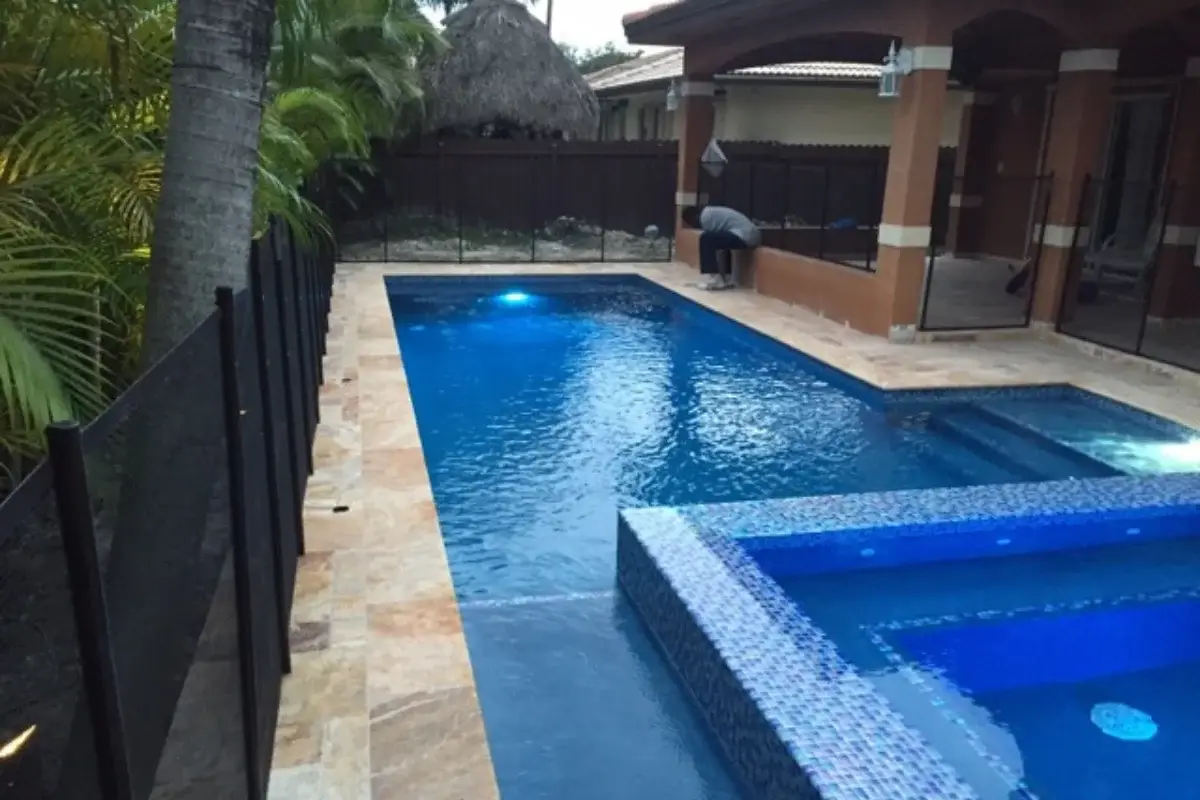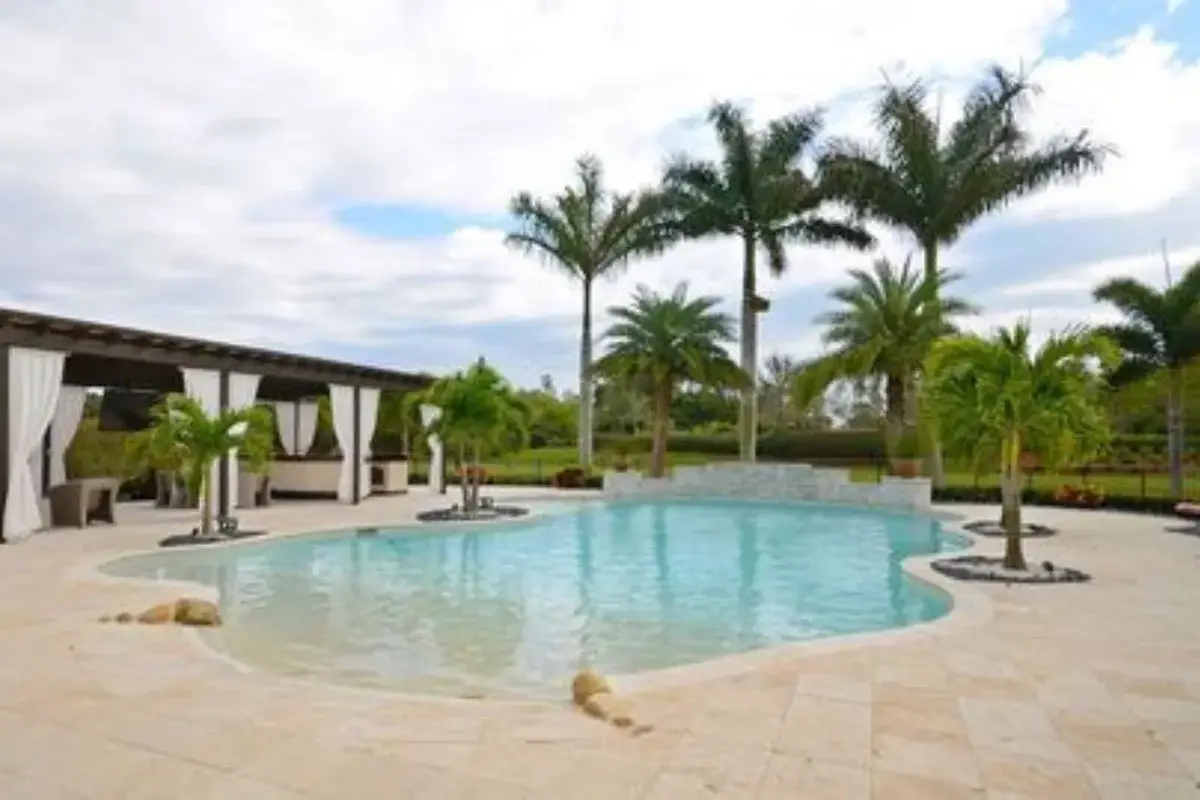
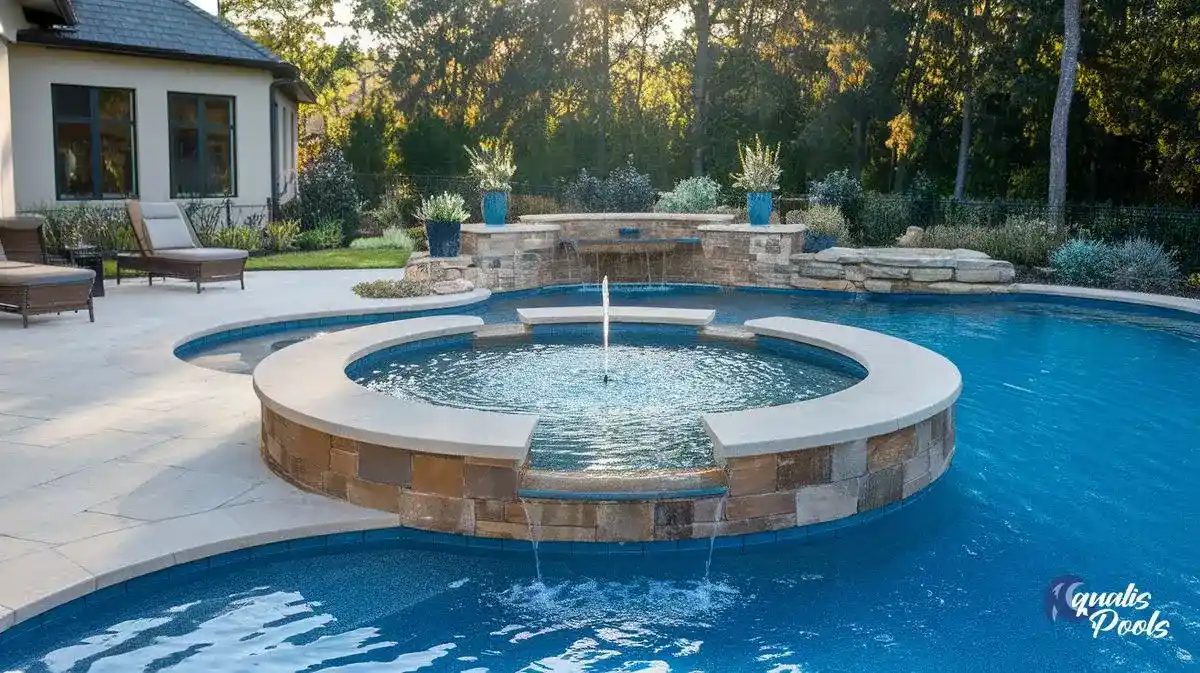
If you have been researching custom pools for your Georgia home, you have probably come across the term gunite more than once. Most homeowners hear it and nod along, but very few actually know what it means or why it matters. Understanding what a gunite pool is can help you make a much more confident decision before signing any contracts or committing to a design. In short, gunite refers to the construction method and the core material used to build the shell of the pool. It is one of the most durable, flexible, and long-lasting approaches to in-ground pool construction available today, and it has been the preferred method for custom pool builders for decades.
The Basic Definition: What Gunite Actually Is
Gunite is a dry-mix form of concrete that gets pneumatically applied through a hose and nozzle at high pressure directly onto a rebar framework. The name comes from the equipment used to shoot the material into place. At the nozzle, dry concrete mix meets water for the first time, which gives the installer precise control over consistency. This is one of the key reasons gunite produces such a dense, strong shell. The resulting structure is essentially reinforced concrete shaped entirely around your specific design, which is why gunite pools can accommodate almost any shape, depth, or feature you can imagine. According to the National Association of Home Builders, concrete-based pool construction remains the most structurally sound method for in-ground residential pools across the United States.
Gunite is often compared to shotcrete, another spray-applied concrete method. The primary difference is that shotcrete uses a wet pre-mixed concrete while gunite uses a dry mix. Both produce excellent results, and experienced builders sometimes use the terms interchangeably, but gunite has a longer track record in custom pool construction and tends to produce a slightly denser final shell when applied by skilled crews.
How a Gunite Pool Is Built: The Full Construction Process
Building a gunite pool from scratch is not a quick project. It typically takes between eight and twelve weeks from breaking ground to final water fill, depending on weather, permitting timelines, and the complexity of your design. Each phase of construction is critical, and skipping or rushing any one of them leads to problems down the road. Here is how the process actually unfolds.
Phase 1: Design and Permits
Before a single shovel touches your yard, the design phase locks in every dimension, feature, and finish. This is where depth profiles, tanning ledges, spa placements, and waterfall features all get finalized on paper. Many homeowners find this phase the most exciting because it is where the vision takes shape. Choosing the right pool design for your lifestyle involves more than aesthetics. It includes understanding how you will actually use the pool, how much maintenance you are willing to manage, and how the pool integrates with your existing outdoor space. Once design drawings are approved, the builder pulls the necessary permits from local authorities before any excavation begins.
Phase 2: Excavation
Excavation is typically completed in one to three days depending on pool size and soil conditions. Heavy machinery removes soil to the exact dimensions of the pool design, with extra depth built in to account for the thickness of the gunite shell and plumbing. Georgia soil conditions vary significantly by region, and experienced builders assess the soil composition before digging to anticipate any drainage or structural challenges.
Phase 3: Steel Rebar Framework
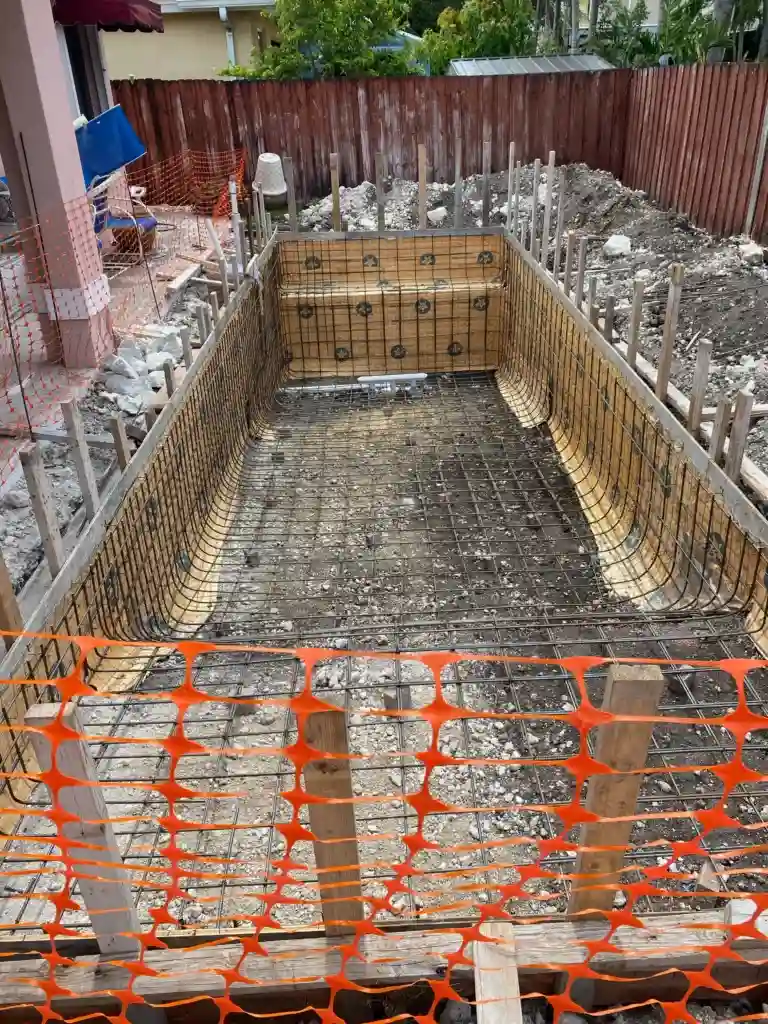
Once the hole is shaped, a crew installs a grid of steel rebar throughout the entire floor and walls of the excavation. This rebar skeleton is what gives a gunite pool its structural backbone. The rebar is tied together at intersections and positioned with specific spacing to ensure the concrete shell has uniform support from every angle. Plumbing lines for drains, returns, and any water features are also roughed in during this phase before the gunite is applied.
Phase 4: Gunite Application
This is the phase most people associate with the term gunite pool. A trained nozzleman operates the spray equipment, applying the dry concrete mixture at high velocity onto the rebar framework. The crew works methodically to build up consistent wall and floor thickness, typically between eight and ten inches in most custom builds. The high-pressure application forces the concrete to bond tightly around the rebar and into every contour of the excavation. Within 24 to 48 hours, the shell achieves enough hardness to walk on, though full curing continues for several days.
Phase 5: Tile, Coping, and Interior Finish
After the shell cures, tile is installed along the waterline and any accent areas. Coping is placed around the top perimeter of the pool to create a finished edge between the pool shell and the surrounding pool deck. Finally, the interior surface is applied. This is the finish that you will actually see and touch. Options include plaster, aggregate finishes like pebble or quartz, and tile. Each option has different durability, texture, and cost characteristics worth discussing with your builder in detail.
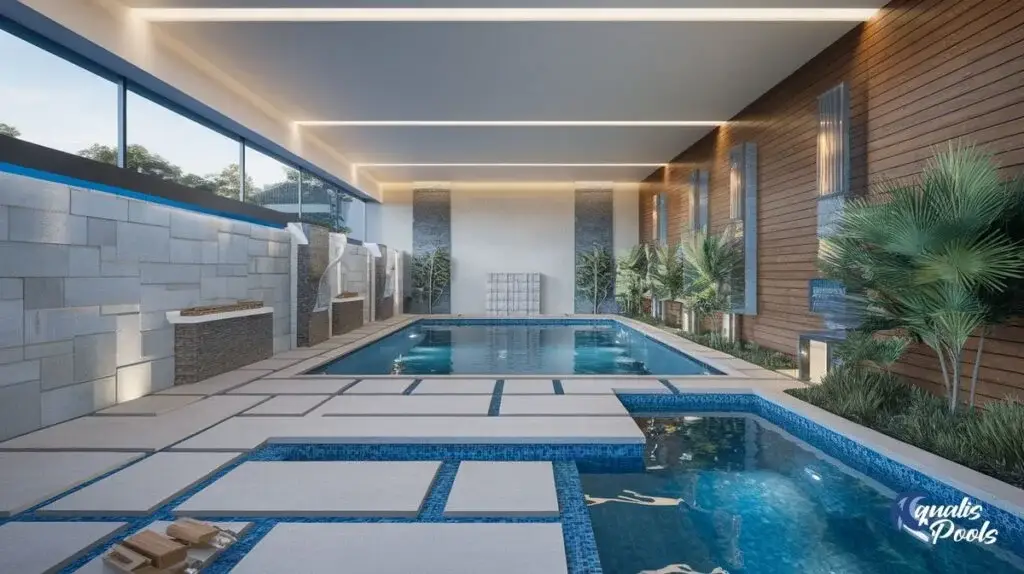
Gunite vs. Other Pool Types: A Direct Comparison
Gunite is not the only option for in-ground pools. Vinyl liner and fiberglass pools are also widely available, and each has a distinct set of trade-offs. Understanding the differences helps you determine which construction method genuinely fits your needs and long-term goals.
| Feature | Gunite | Fiberglass | Vinyl Liner |
|---|---|---|---|
| Design Flexibility | Unlimited shapes and sizes | Limited to pre-made mold shapes | Moderate flexibility |
| Durability | 50 or more years with proper care | 25 to 30 years | Liner replacement every 10 to 15 years |
| Surface Options | Plaster, pebble, quartz, tile | Factory gel coat only | Printed vinyl patterns |
| Construction Time | 8 to 12 weeks | 3 to 6 weeks | 4 to 8 weeks |
| Resale Value Impact | Highest | Moderate to high | Moderate |
| Upfront Cost | Higher initial investment | Moderate | Lower initial cost |
Gunite consistently wins on design flexibility and long-term durability. If you have a specific vision in mind, a unique lot, or you want to incorporate custom features like grotto caves, tanning shelves, or vanishing edges, gunite is almost always the right choice. Homeowners who prioritize a faster installation or a lower upfront cost sometimes lean toward fiberglass, but they give up a significant amount of creative freedom in the process.
What Makes Gunite Pools a Smart Long-Term Investment
A gunite pool is not cheap, and it should not be. The average custom gunite pool in Georgia ranges from $60,000 to $120,000 or more depending on size, features, and surrounding hardscaping. But the longevity of a well-built gunite pool is difficult to match. With proper maintenance and periodic pool resurfacing every 10 to 15 years, the structural shell of a gunite pool can last 50 years or longer. You are essentially installing a permanent concrete structure on your property. According to Consumer Reports, in-ground pools typically add between 5 and 8 percent to a home’s market value when installed and maintained correctly, with custom concrete pools performing at the higher end of that range.
Beyond the resale value, a gunite pool gives Georgia homeowners a space that can evolve over time. You can add water features, upgrade pool equipment, or expand the surrounding outdoor space with structures like pergolas, outdoor kitchens, or fire pits without compromising the pool shell itself. The entire backyard becomes a cohesive outdoor living environment that grows with your lifestyle.
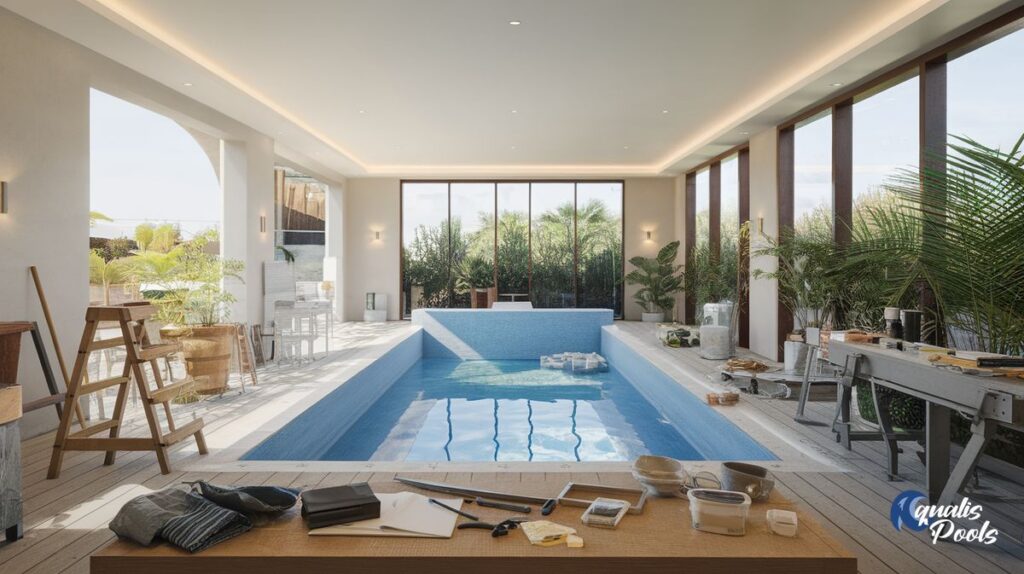
Features and Add-Ons That Work Best with Gunite Construction
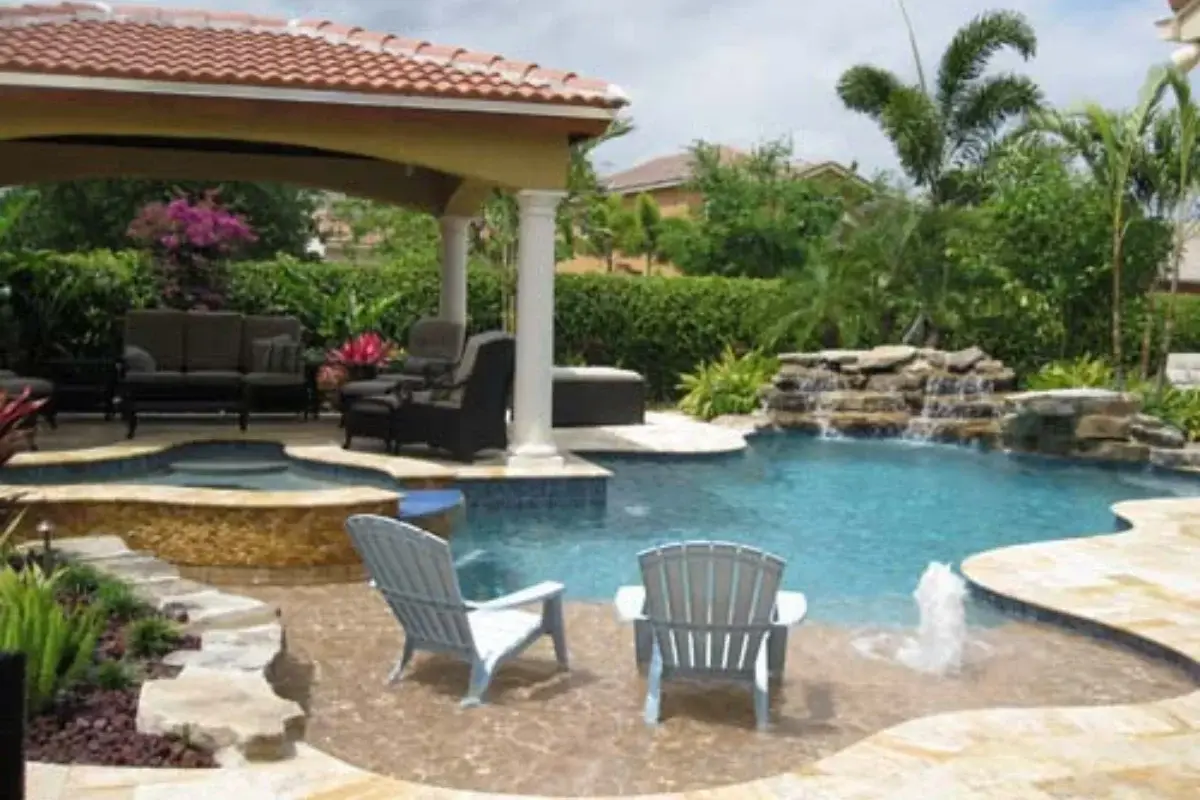
One of the most compelling reasons homeowners choose gunite is the ability to integrate features that simply cannot be built into prefabricated pool options. Gunite construction allows the pool shell to be shaped around almost any feature your designer can draw.
Popular features that pair especially well with gunite pools include:
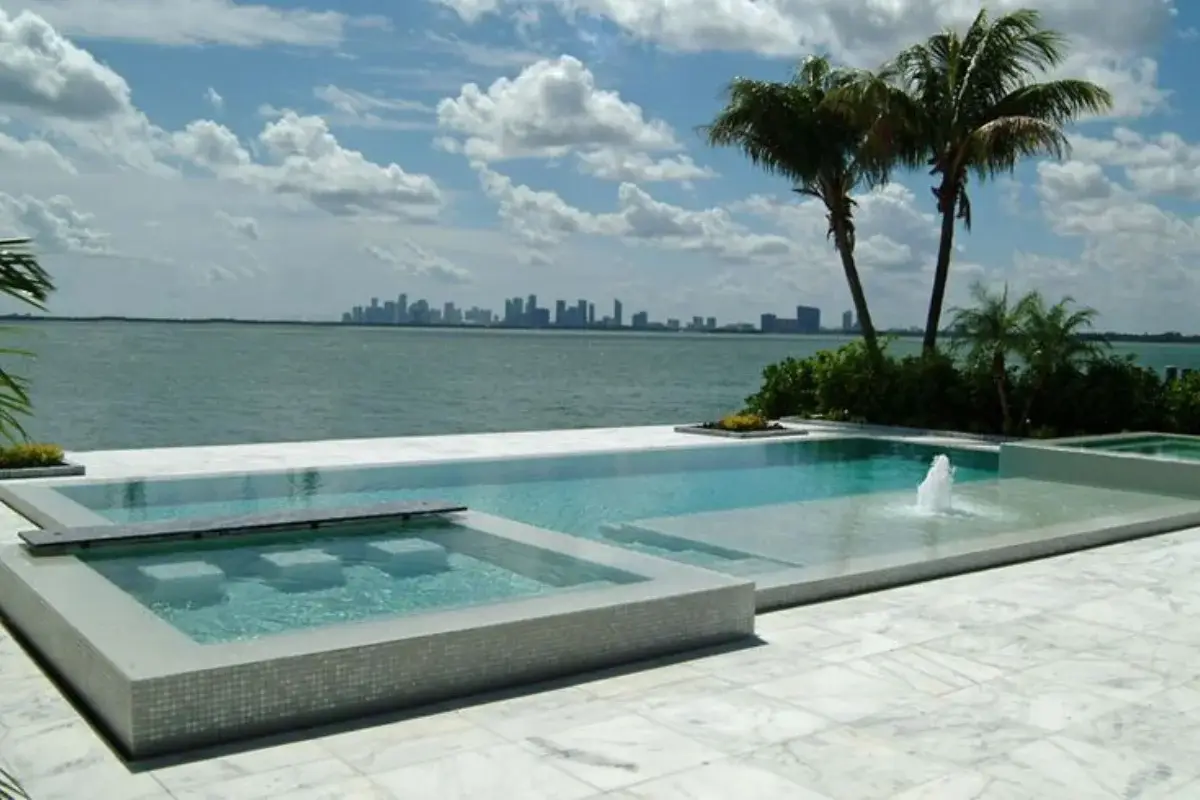
- Vanishing edge or infinity edge designs that create a visual drop-off at the pool perimeter
- Attached spas with shared water circulation systems for energy efficiency
- Tanning ledges, also called Baja shelves, that sit just a few inches below the waterline for lounging
- Grotto-style rock formations with built-in waterfalls and caves
- Swim-up bars or submerged seating areas
- Bubblers and jets set into the shallow floor for a resort-style feel
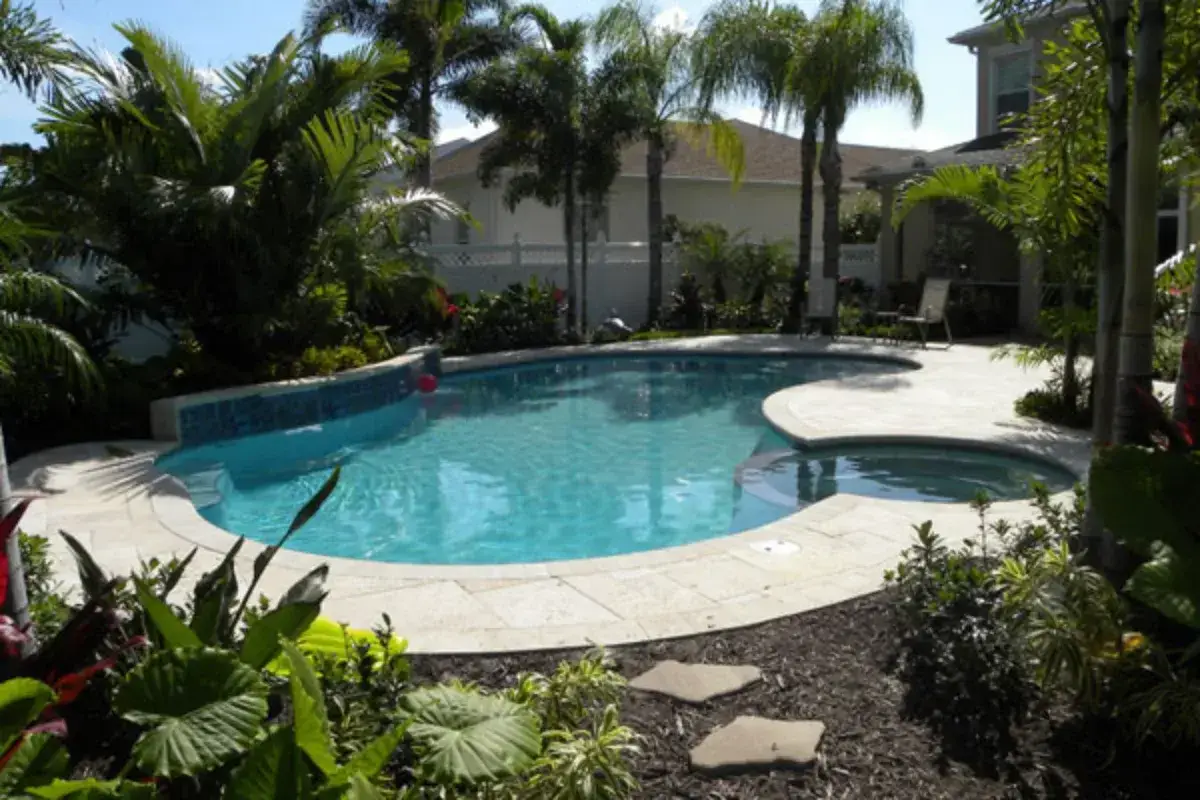
Surrounding the pool with cohesive hardscaping elements like paver patios, retaining walls, and custom walkways ties the entire outdoor space together. Many Georgia homeowners choose to extend the project into a full outdoor living transformation that includes shade structures, covered pavilions, or even complete outdoor kitchens adjacent to the pool area. When everything is designed and built as one cohesive project, the result is a backyard that functions as a genuine extension of the home rather than just a hole filled with water.
What to Look for When Choosing a Gunite Pool Builder in Georgia
Not all pool builders have the same level of experience with gunite construction. The gunite application phase in particular requires a skilled and certified nozzleman who understands how to build consistent wall thickness and properly encapsulate the rebar. Asking a prospective builder about their crew’s specific gunite experience, how long they have been building in Georgia, and whether they handle all phases in-house or subcontract critical work are all fair and important questions. A company with a deep portfolio of completed projects and transparent communication from the first conversation is a strong signal that the process will go smoothly. Reviewing a builder’s past work in a project gallery is one of the best ways to assess quality before committing. If you are planning a build, see how our new pool construction in Georgia runs from design to first swim.
Frequently Asked Questions About Gunite Pools
How long does it take to build a gunite pool?
Most gunite pool projects in Georgia take between eight and twelve weeks from excavation to final water fill. Factors like permit approval timelines, weather delays, and the complexity of custom features can extend that range. Your builder should provide a realistic construction schedule before work begins.
How long does a gunite pool last?
The concrete shell of a properly built gunite pool can last 50 years or more. The interior surface finish, typically plaster or an aggregate material, will need to be resurfaced approximately every 10 to 15 years depending on water chemistry and usage frequency. Equipment like pumps and heaters have shorter replacement cycles independent of the shell itself.
Is a gunite pool more expensive than a fiberglass pool?
Yes, in most cases the upfront cost of a gunite pool is higher than a comparable fiberglass pool. However, gunite offers unlimited design flexibility and greater long-term structural durability. For homeowners who want a specific shape, custom features, or a truly permanent installation, the price difference is generally worth it over the life of the pool.
Do gunite pools require more maintenance?
Gunite pools with plaster surfaces are slightly more porous than fiberglass, which can make them more prone to algae growth if water chemistry is not maintained consistently. Converting to a saltwater system can reduce the chemical maintenance burden considerably. Regular brushing, balanced pH, and annual equipment checks keep gunite pools in excellent condition long-term.
Can I add a spa or water features to a gunite pool?
Yes, and this is one of the biggest advantages of gunite construction. Spas, waterfalls, grottos, tanning ledges, and vanishing edges can all be built into the design from the start. Adding features during the original construction is always more cost-effective than attempting to retrofit them later, so planning comprehensively before breaking ground is strongly recommended.
Building a gunite pool is one of the most significant and rewarding investments a Georgia homeowner can make in their property. The process is involved, the timeline requires patience, and the design decisions demand careful thought, but the result is a permanent, fully custom aquatic space built exactly to your specifications. When you are ready to start planning your project, the team at Aqualis Pools brings over 15 years of hands-on gunite construction experience across Georgia and would be glad to walk you through a no-pressure consultation. You can reach out to schedule a conversation and get a realistic picture of what your custom pool project would involve from design to completion.